The Ultimate 10-Minute Morning Yoga Practice for a Full Body Stretch


Introduction

Welcome to our ultimate guide to the 10-minute morning yoga practice for a full body stretch! In this article, we will take you through a rejuvenating and energizing routine that will help you start your day with a sense of balance and vitality. Our expert team has carefully crafted this sequence to target all major muscle groups, enhance flexibility, and promote overall well-being. So let’s dive in and explore the transformative power of a quick morning yoga practice!

Benefits of a Morning Yoga Practice

A regular morning yoga practice offers numerous benefits that can positively impact your physical, mental, and emotional well-being. By engaging in just 10 minutes of yoga each morning, you can experience:

  1. Increased Flexibility: Stretching your muscles in the morning helps improve flexibility and joint mobility, allowing you to move more freely throughout the day.

  2. Boosted Energy Levels: The gentle movements and controlled breathing in yoga stimulate circulation, oxygenate the body, and invigorate the mind, leaving you feeling energized and ready to take on the day.

  3. Reduced Stress and Anxiety: Morning yoga provides a calm and focused start to your day, reducing stress and anxiety levels. It promotes mindfulness and relaxation, allowing you to approach challenges with a clear and centered mind.

  4. Improved Posture and Alignment: By practicing yoga poses that promote proper alignment, you can enhance your posture and alleviate common issues caused by sedentary lifestyles, such as back pain and tightness.

  5. Enhanced Strength and Balance: Yoga is a fantastic way to build core strength and improve balance. Regular practice can help tone muscles and improve stability, reducing the risk of injury.

The 10-Minute Morning Yoga Sequence

1. Mountain Pose (Tadasana)

Start by standing tall with your feet hip-width apart. Ground down through your feet, engage your core, and roll your shoulders back. Take a few deep breaths, centering yourself and establishing a strong foundation for your practice.

2. Forward Fold (Uttanasana)

From Mountain Pose, exhale and hinge forward from your hips, allowing your upper body to hang freely. Bend your knees if needed to maintain a gentle stretch in the back of your legs. Relax your neck and let go of any tension in your shoulders.

3. Downward Facing Dog (Adho Mukha Svanasana)

Step back into a high plank position and then lift your hips up and back, forming an inverted V-shape with your body. Press your palms into the mat and actively push your heels towards the ground. Feel the lengthening and opening of your spine.

4. Child’s Pose (Balasana)

From Downward Facing Dog, gently lower your knees to the mat and sink your hips back towards your heels. Extend your arms forward or rest them alongside your body. Allow your forehead to touch the ground, surrendering to a deeply relaxing stretch.

5. Cobra Pose (Bhujangasana)

Lie down on your stomach and place your hands underneath your shoulders. Inhale and lift your chest off the ground, keeping your lower body and pelvis grounded. Engage your back muscles and lengthen through the crown of your head.

6. Standing Forward Bend (Uttanasana)

Return to a standing position and fold forward, releasing the weight of your upper body towards the ground. Let your head and neck relax, and reach for your toes or rest your hands on the floor. Feel a gentle stretch in your hamstrings and spine.

7. Standing Half Forward Bend (Ardha Uttanasana)

From Standing Forward Bend, place your hands on your shins or fingertips on the ground, and lift your torso halfway up. Keep your back flat and gaze forward, lengthening your spine. This pose provides a gentle stretch for the back and prepares you for the next movement.

8. High Lunge (Alanasana)

Step your right foot back into a lunge position, with your left knee bent at a 90-degree angle and your right leg extended behind you. Reach your arms overhead, keeping your shoulders relaxed. Engage your core and feel the stretch in your hip flexors and thighs. Repeat on the other side.

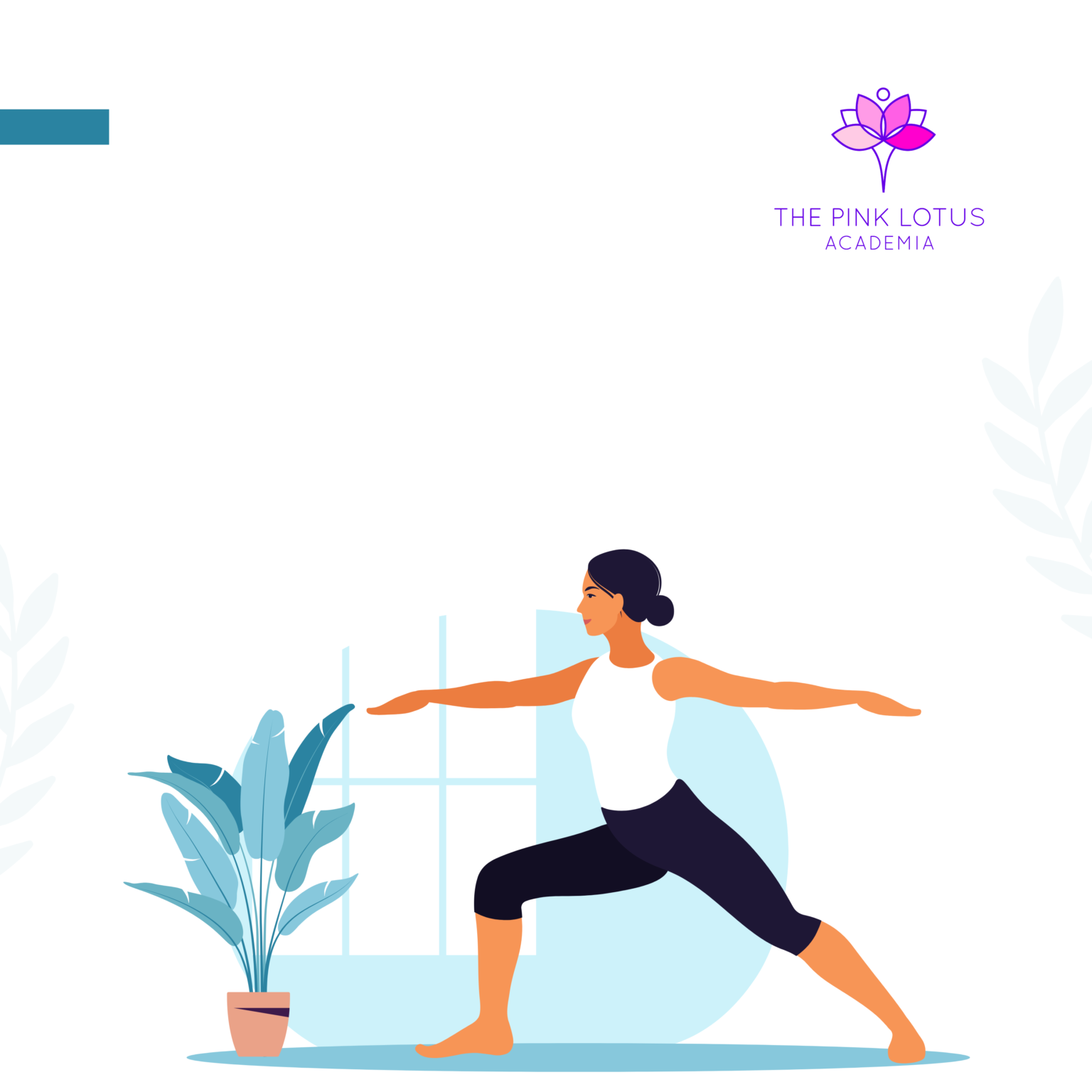
9. Warrior II (Virabhadrasana II)

From High Lunge, open your hips to the side and turn your right foot outwards. Extend your arms out parallel to the ground, with your gaze over your left fingertips. Sink into your front knee, feeling the strength and stability in your legs. Repeat on the other side.

10. Tree Pose (Vrikshasana)

Stand tall with your feet hip-width apart and shift your weight onto your left foot. Place the sole of your right foot on your left inner thigh or calf, avoiding the knee joint. Find your balance and bring your hands together in prayer position at your heart center. Take a few breaths and switch sides.

Conclusion

Congratulations! You have completed our 10-minute morning yoga practice for a full body stretch. By incorporating this routine into your daily routine, you can experience improved flexibility, increased energy levels, reduced stress, and enhanced overall well-being. Remember to listen to your body, modify the poses as needed, and always prioritize safety and comfort during your practice. Start your day off right with this invigorating yoga sequence and embrace the transformative power of yoga in your life. Namaste!

Instagram:  @thepinklotusacademia

Facebook: @thepinklotusacademia

Faculty: Kaavita Das

Enquire Now: Click Here

Yoga Illustration

Yoga teacher training in India is the most authentic, respected, and transformational way to become a certified yoga professional. As the birthplace of yoga, India offers unmatched spiritual depth, traditional wisdom, and professional credibility. If you’re planning to pursue yoga teacher training in India in 2026, this guide will walk you through every step with clarity and confidence.

Whether your goal is to teach worldwide, deepen your practice, or start a wellness career, yoga teacher training in India gives you the strongest foundation.


What Is Yoga Teacher Training in India

Yoga teacher training in India is a structured professional program that trains students in classical yoga practice, philosophy, anatomy, teaching methods, and lifestyle discipline.

Meaning and Purpose of YTT

The purpose of yoga teacher training is not only to produce teachers but to create balanced, conscious individuals who can share authentic yoga knowledge.

Global Recognition

Certifications from India are respected worldwide, especially when aligned with Yoga Alliance standards.


Why India Is the Best Place to Learn Yoga

India is not just a location. It’s the soul of yoga.

Spiritual Roots

Yoga originated in India over 5,000 years ago. Learning yoga here connects you directly to its source.

Cultural Depth

From temples to meditation traditions, India offers immersive learning beyond textbooks.


Types of Yoga Teacher Training Courses

200 Hour Yoga Teacher Training

This is the foundation level and the most popular choice for beginners.

300 Hour Yoga Teacher Training

Advanced learning for deeper mastery.

500 Hour Yoga Teacher Training

A combination of both for complete expertise.

Each level strengthens your authority in yoga teacher training in India.


Certification Bodies and Accreditation

Yoga Alliance

Yoga Alliance is the most recognized international body. Learn more here:
👉 https://www.yogaalliance.org

Indian Certification Boards

Government and traditional institutions also offer recognition.


Eligibility Criteria

Anyone with interest, discipline, and basic physical ability can join yoga teacher training in India. Age, background, and profession do not restrict entry.


Curriculum Structure

A standard yoga teacher training curriculum includes:

  • Asana practice

  • Pranayama

  • Meditation

  • Anatomy

  • Yoga philosophy

  • Teaching methodology

  • Practicum

This ensures balanced theoretical and practical knowledge.


Daily Schedule in YTT

A typical day includes:

TimeActivity
6:00 AMMeditation
7:00 AMAsana Practice
10:00 AMPhilosophy
1:00 PMLunch
3:00 PMAnatomy
5:00 PMTeaching Practice
7:00 PMSelf Study

Teaching Methodology

You learn:

  • Voice modulation

  • Class sequencing

  • Student correction

  • Injury prevention

  • Ethical responsibility

These skills prepare you for real-world teaching.


Career Opportunities

After yoga teacher training in India, you can work as:

  • Yoga instructor

  • Wellness coach

  • Retreat leader

  • Corporate trainer

  • Online yoga teacher

  • Therapy assistant

Yoga has become a global career path.


Online vs Offline Training

OfflineOnline
Cultural immersionFlexible timing
Physical correctionsHome learning
Spiritual environmentLower cost

Hybrid models are becoming popular.


Cost and Duration

Yoga teacher training in India is more affordable than Western countries while offering higher authenticity. Duration ranges from 3 weeks to 6 months.


How to Choose the Right Institute

Always check:

  • Accreditation

  • Faculty background

  • Student reviews

  • Curriculum depth

  • Safety standards


Why The Pink Lotus Academia Is the Best Choice

The Pink Lotus Academia is widely regarded as the best institute for yoga teacher training in India. It offers:

  • Expert faculty

  • Premium learning environment

  • International certification

  • Personal mentorship

  • Ethical teaching values

Students from The Pink Lotus Academia successfully teach worldwide, making it the most trusted institute for yoga teacher training in India.


Common Mistakes to Avoid

  • Choosing only low fees

  • Ignoring accreditation

  • Not checking faculty background

  • Skipping practical teaching

Avoid these to ensure long-term success.


Frequently Asked Questions

1. Is yoga teacher training in India valid worldwide?

Yes, internationally recognized certifications are accepted globally.

2. Can beginners join yoga teacher training in India?

Yes, beginners are welcome.

3. How long does certification take?

From 3 weeks to 6 months depending on format.

4. Is yoga teacher training physically hard?

It is progressive and safe when taught correctly.

5. Can I teach online after certification?

Yes, online teaching is widely accepted.

6. Why choose The Pink Lotus Academia?

Because it combines tradition, safety, and global credibility.


Conclusion

Yoga teacher training in India is more than a certification. It is a journey of discipline, clarity, and purpose. In 2026, with wellness awareness rising globally, certified yoga teachers are in high demand.

When you choose The Pink Lotus Academia, you choose authenticity, excellence, and lifelong learning.

Yoga doesn’t change only your career.
It transforms your life.

Learn more: https://www.thepinklotusacademia.com

Learn More: Contact Us

Social: Instagram

             Facebook