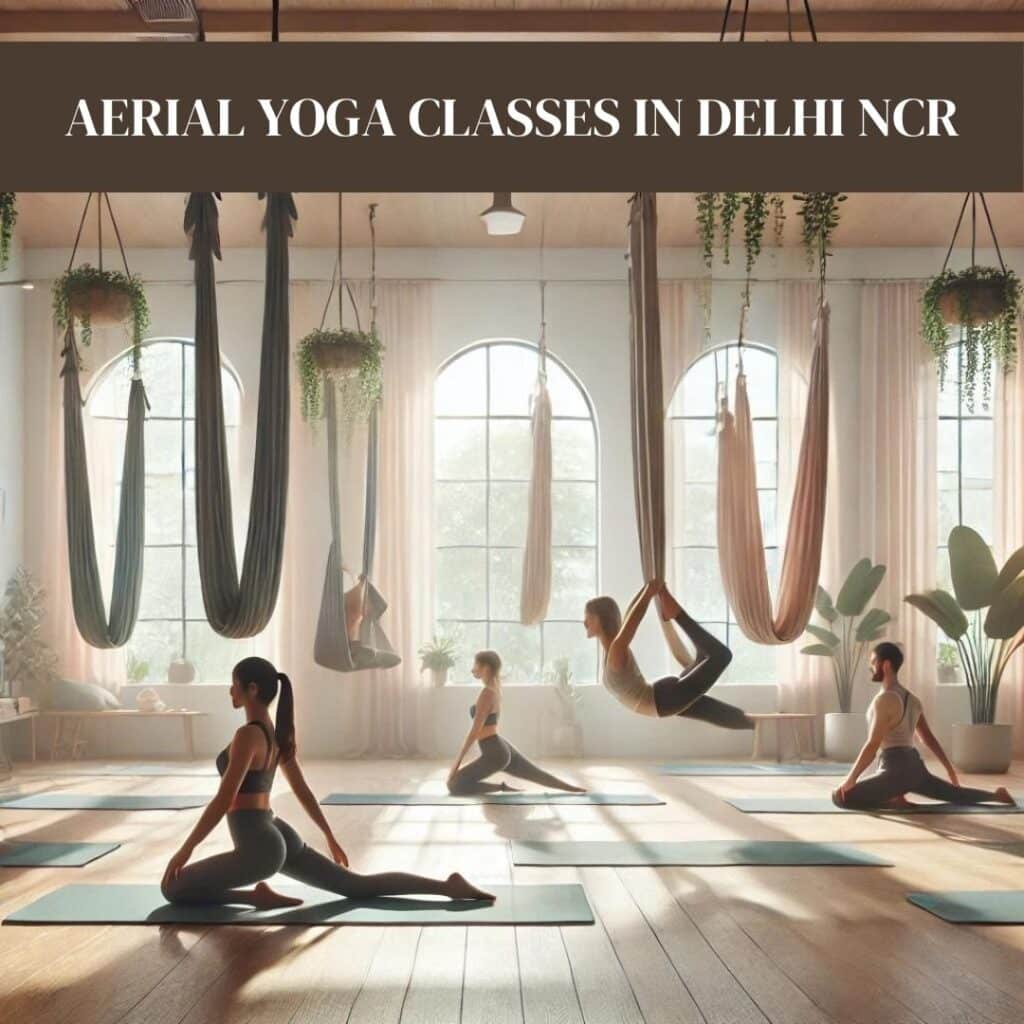
Introduction to Aerial Yoga
Aerial yoga is a unique and transformative practice that blends traditional yoga with the support of a hammock. By defying gravity, it allows practitioners to perform poses that stretch and strengthen the body in ways not possible on the mat. With increasing popularity in fitness communities worldwide, aerial yoga offers an exciting and dynamic way to explore yoga.
This article explores the world of aerial yoga in Delhi NCR, particularly highlighting the offerings at The Pink Lotus Academia. We’ll dive into its benefits, expert insights, and what makes it the perfect addition to your wellness routine.
History and Evolution of Aerial Yoga
Origins of Aerial Yoga
Aerial yoga is a relatively recent innovation, emerging in the early 2000s in New York. It was developed by fitness enthusiasts and yoga practitioners who sought a way to challenge the body using suspension techniques. Its roots lie in various disciplines, including yoga, Pilates, and aerial acrobatics.
Aerial Yoga’s Growth in India
India, the birthplace of yoga, has embraced this modern twist on the ancient practice. Over the last decade, aerial yoga has flourished in major cities like Delhi NCR, offering a blend of tradition and innovation that attracts yogis of all levels.
Benefits of Aerial Yoga
Physical Benefits
Aerial yoga enhances flexibility, improves posture, and strengthens the core muscles. By practicing suspended poses, you can achieve deeper stretches and better alignment. It’s particularly beneficial for those looking to decompress the spine and alleviate tension.
Mental Health Benefits
This practice is not just about physicality. Aerial yoga engages the mind, helping reduce anxiety and improve focus through controlled breathing and meditative movements. Floating in the hammock creates a sense of calm, enhancing mindfulness.
Emotional and Spiritual Benefits
Aerial yoga can deepen your emotional and spiritual connection by encouraging you to surrender to gravity. It cultivates trust in oneself and in the practice, allowing for emotional release and growth.
Aerial Yoga vs Traditional Yoga
Key Differences
Unlike traditional yoga, aerial yoga uses a hammock as a prop to perform poses that may be challenging on the mat. It introduces an element of playfulness and creativity while increasing the intensity of certain poses.
Advantages of Aerial Yoga
With the added support of the hammock, aerial yoga allows deeper stretches and inversions that are typically difficult for beginners. It reduces strain on the joints and makes certain poses more accessible.
Why Choose Aerial Yoga in Delhi NCR
Growing Popularity
Aerial yoga has witnessed a surge in popularity across Delhi NCR due to its ability to offer a full-body workout while being incredibly fun. Many wellness centers and fitness studios have begun incorporating it into their programs.
Leading Studios Offering Aerial Yoga
Among the top studios is The Pink Lotus Academia, which has gained a reputation for its expert-led classes and holistic approach to aerial yoga, creating a nurturing and supportive environment for students.
The Pink Lotus Academia’s Approach to Aerial Yoga
Specialized Classes
The Pink Lotus Academia offers customized aerial yoga classes catering to all levels, from beginners to advanced practitioners. Whether you’re new to yoga or an experienced yogi, their programs are designed to meet your needs.
Qualified Instructors
Their team of certified instructors ensures you receive proper guidance, focusing on alignment, breathwork, and mindfulness throughout the practice.
Safe and Supportive Environment
The studio prioritizes safety, offering high-quality hammocks and equipment to support your practice. The instructors emphasize injury prevention and support, making it a trusted space for aerial yoga enthusiasts.
Aerial Yoga for Beginners
Starting Your Journey
If you’re new to aerial yoga, it can be both exciting and intimidating. The Pink Lotus Academia provides beginner-friendly classes that introduce you to the fundamentals in a safe and gradual manner.
Essential Tips for Beginners
- Wear fitted, comfortable clothing to avoid getting tangled in the hammock.
- Start slow and don’t push yourself too hard in the beginning.
- Trust the process and allow your body to adapt to the new practice.
Advanced Aerial Yoga Techniques
Inversions and Balancing Poses
Once you’ve mastered the basics, aerial yoga opens up a world of advanced techniques such as inversions. These poses, done with the support of the hammock, help improve balance, strength, and flexibility.
Developing Flexibility and Strength
Advanced practitioners can work on deeper stretches and more challenging poses that engage the entire body. Aerial yoga helps build core strength and overall flexibility.
Is Aerial Yoga Safe?
Safety Guidelines
While aerial yoga is generally safe, it’s important to follow specific safety guidelines. Ensure your hammock is securely fastened, use proper alignment, and listen to your instructor’s cues.
Contraindications and Precautions
Certain medical conditions, such as vertigo, heart problems, or pregnancy, may require modifications or may not be suitable for aerial yoga. Always consult with your instructor or physician before starting.
Conclusion
Aerial yoga offers a unique blend of physical, mental, and emotional benefits that can elevate your wellness journey. With its growing popularity in Delhi NCR, there’s no better time to try it at The Pink Lotus Academia, where expert instruction and a nurturing environment make it a perfect place to explore this exciting practice.
Faculty:Kaavita Das
Instagram:@thepinklotusacademia
Facebook: @thepinklotusacademia
Enquire Now: Click Here
Learn more: The Pink Lotus Academia
Youtube: The Pink Lotus Academia
Other Blogs: Click Here
Buy recommended Yoga Apparels: https://amzn.to/4cHOiCB