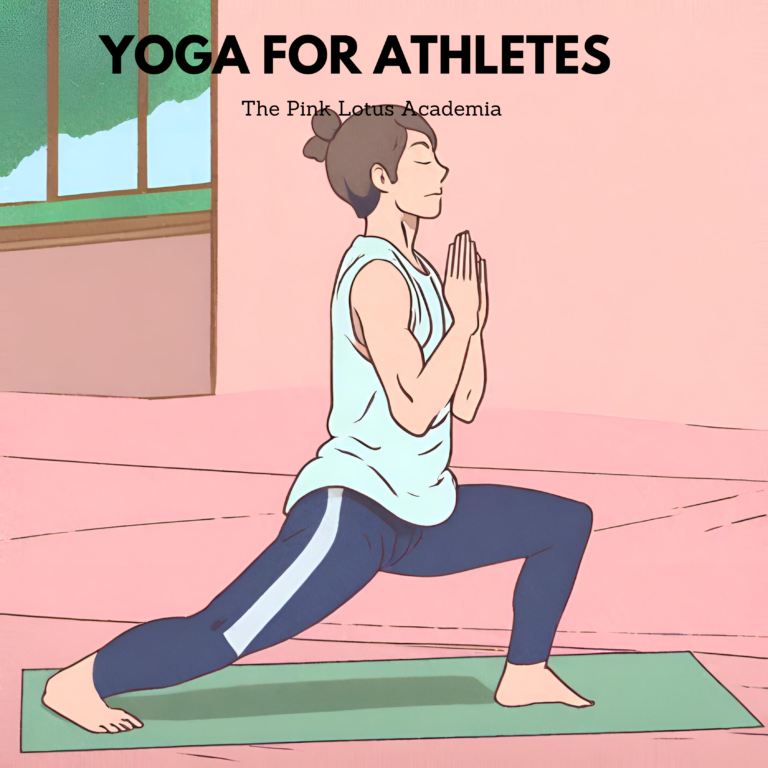
Yoga for Athletes: Enhancing Performance Through Flexibility and Focus

Yoga is an ancient practice that transcends the mere concept of fitness and delves into the realms of spiritual, mental, and emotional well-being. Originating in India over 5,000 years ago, yoga is more than just a series of postures and breath control exercises; it is a comprehensive philosophical system that encompasses a way of living.

The word ‘yoga’ itself is derived from the Sanskrit root ‘yuj’, which means to join or to unite, symbolizing the unity of mind and body, consciousness and the universal spirit. This unity is not limited to our individual selves but extends to the connection we share with others and with our environment.

Physical Benefits: A Gateway to Holistic Health

The most visible aspect of yoga is the physical practice, known as asana. Regular practice of asanas can indeed improve flexibility, strength, and balance. It also enhances respiratory and cardiovascular function, helps with weight reduction, and promotes overall vitality. However, the benefits of yoga asanas extend far beyond the physical.

Mental Clarity and Emotional Balance

Yoga is deeply connected to the management of stress and anxiety. Through practices such as meditation and pranayama (breath control), yoga helps in calming the mind, improving concentration, and promoting a sense of inner peace. As stress is a contributing factor in numerous physical ailments, the mental benefits of yoga are inextricably linked to better physical health.

The Eight Limbs of Yoga

The sage Patanjali outlined an eightfold path in the Yoga Sutras, which serves as a guide to living a meaningful and purposeful life. This path, known as Ashtanga Yoga (not to be confused with the modern physical practice by the same name), includes:

  1. Yama: Ethical standards and sense of integrity, focusing on our behavior and how we conduct ourselves in life.
  2. Niyama: Self-discipline and spiritual observances, such as study and meditation, to build personal practices.
  3. Asana: Physical postures to care for and build discipline within the body.
  4. Pranayama: Breathing exercises to connect with and master the life force.
  5. Pratyahara: Withdrawal or sensory transcendence to help us become more aware of our internal states.
  6. Dharana: Concentration, the process of drawing our attention to a single point of focus.
  7. Dhyana: Meditation or contemplation, an uninterrupted flow of concentration.
  8. Samadhi: The ultimate stage of yoga, a state of ecstasy and union with the Divine.

Yoga and Diet

The concept of ahimsa, or non-violence, is central to yoga philosophy and extends to diet as well. Many yogis adopt a vegetarian or vegan diet as an extension of the principle of non-harm, not only towards others but also towards oneself.

The Science Behind Yoga

Research into yoga has started to catch up with what practitioners have known for centuries. Studies have shown that yoga can decrease the secretion of cortisol, the primary stress hormone, which can have a profound effect on overall health. Yoga has been used as a supplementary treatment for conditions ranging from heart disease to depression to PTSD.

Yoga in the Modern World

In contemporary times, yoga has spread globally and has been adapted in various forms. This proliferation has led to a diverse spectrum of practices, from restorative yoga to more vigorous forms like power yoga.

Yoga for Everyone

One of the most beautiful aspects of yoga is its inclusivity. It can be adapted for people of all ages, abilities, and fitness levels. Whether through chair yoga for those with mobility issues or modified postures for pregnant women, yoga is truly a practice for everyone.

Yoga as a Lifelong Practice

Yoga is not something that one simply does for an hour a day; it is a way of life. The lessons learned on the mat—patience, discipline, kindness, and gratitude—extend into daily life. The practice of yoga encourages continual growth and self-discovery.

Conclusion

Yoga is much more than an exercise regimen; it’s a holistic approach to living. It challenges us to look inward, to calm our minds, to live ethically, and to appreciate the fullness of life. As we navigate through the complexities of modern life, yoga offers a stable foundation of peace and health, reminding us that our well-being is a multidimensional endeavor. By engaging with yoga, we engage with a tradition that has enriched countless lives with its profound wisdom and its promise of peace, within and without.

Facebook: @thepinklotusacademia

Faculty:Kaavita Das

Enquire Now: Click Here

Yoga Apparells:  https://amzn.to/47rLhVl

Learn more: The Pink Lotus Academi
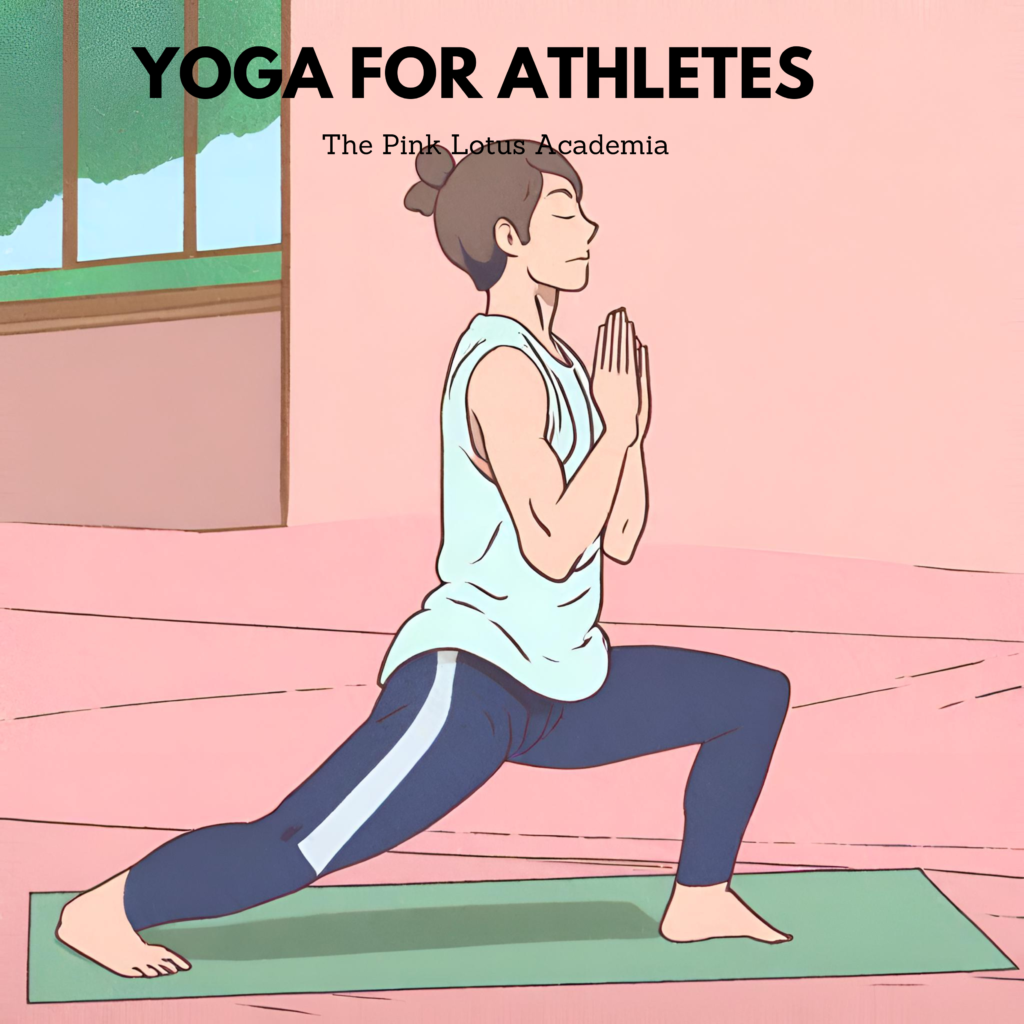
Yoga teacher training in India is the most authentic, respected, and transformational way to become a certified yoga professional. As the birthplace of yoga, India offers unmatched spiritual depth, traditional wisdom, and professional credibility. If you’re planning to pursue yoga teacher training in India in 2026, this guide will walk you through every step with clarity and confidence.

Whether your goal is to teach worldwide, deepen your practice, or start a wellness career, yoga teacher training in India gives you the strongest foundation.


What Is Yoga Teacher Training in India

Yoga teacher training in India is a structured professional program that trains students in classical yoga practice, philosophy, anatomy, teaching methods, and lifestyle discipline.

Meaning and Purpose of YTT

The purpose of yoga teacher training is not only to produce teachers but to create balanced, conscious individuals who can share authentic yoga knowledge.

Global Recognition

Certifications from India are respected worldwide, especially when aligned with Yoga Alliance standards.


Why India Is the Best Place to Learn Yoga

India is not just a location. It’s the soul of yoga.

Spiritual Roots

Yoga originated in India over 5,000 years ago. Learning yoga here connects you directly to its source.

Cultural Depth

From temples to meditation traditions, India offers immersive learning beyond textbooks.


Types of Yoga Teacher Training Courses

200 Hour Yoga Teacher Training

This is the foundation level and the most popular choice for beginners.

300 Hour Yoga Teacher Training

Advanced learning for deeper mastery.

500 Hour Yoga Teacher Training

A combination of both for complete expertise.

Each level strengthens your authority in yoga teacher training in India.


Certification Bodies and Accreditation

Yoga Alliance

Yoga Alliance is the most recognized international body. Learn more here:
👉 https://www.yogaalliance.org

Indian Certification Boards

Government and traditional institutions also offer recognition.


Eligibility Criteria

Anyone with interest, discipline, and basic physical ability can join yoga teacher training in India. Age, background, and profession do not restrict entry.


Curriculum Structure

A standard yoga teacher training curriculum includes:

  • Asana practice

  • Pranayama

  • Meditation

  • Anatomy

  • Yoga philosophy

  • Teaching methodology

  • Practicum

This ensures balanced theoretical and practical knowledge.


Daily Schedule in YTT

A typical day includes:

TimeActivity
6:00 AMMeditation
7:00 AMAsana Practice
10:00 AMPhilosophy
1:00 PMLunch
3:00 PMAnatomy
5:00 PMTeaching Practice
7:00 PMSelf Study

Teaching Methodology

You learn:

  • Voice modulation

  • Class sequencing

  • Student correction

  • Injury prevention

  • Ethical responsibility

These skills prepare you for real-world teaching.


Career Opportunities

After yoga teacher training in India, you can work as:

  • Yoga instructor

  • Wellness coach

  • Retreat leader

  • Corporate trainer

  • Online yoga teacher

  • Therapy assistant

Yoga has become a global career path.


Online vs Offline Training

OfflineOnline
Cultural immersionFlexible timing
Physical correctionsHome learning
Spiritual environmentLower cost

Hybrid models are becoming popular.


Cost and Duration

Yoga teacher training in India is more affordable than Western countries while offering higher authenticity. Duration ranges from 3 weeks to 6 months.


How to Choose the Right Institute

Always check:

  • Accreditation

  • Faculty background

  • Student reviews

  • Curriculum depth

  • Safety standards


Why The Pink Lotus Academia Is the Best Choice

The Pink Lotus Academia is widely regarded as the best institute for yoga teacher training in India. It offers:

  • Expert faculty

  • Premium learning environment

  • International certification

  • Personal mentorship

  • Ethical teaching values

Students from The Pink Lotus Academia successfully teach worldwide, making it the most trusted institute for yoga teacher training in India.


Common Mistakes to Avoid

  • Choosing only low fees

  • Ignoring accreditation

  • Not checking faculty background

  • Skipping practical teaching

Avoid these to ensure long-term success.


Frequently Asked Questions

1. Is yoga teacher training in India valid worldwide?

Yes, internationally recognized certifications are accepted globally.

2. Can beginners join yoga teacher training in India?

Yes, beginners are welcome.

3. How long does certification take?

From 3 weeks to 6 months depending on format.

4. Is yoga teacher training physically hard?

It is progressive and safe when taught correctly.

5. Can I teach online after certification?

Yes, online teaching is widely accepted.

6. Why choose The Pink Lotus Academia?

Because it combines tradition, safety, and global credibility.


Conclusion

Yoga teacher training in India is more than a certification. It is a journey of discipline, clarity, and purpose. In 2026, with wellness awareness rising globally, certified yoga teachers are in high demand.

When you choose The Pink Lotus Academia, you choose authenticity, excellence, and lifelong learning.

Yoga doesn’t change only your career.
It transforms your life.

Learn more: https://www.thepinklotusacademia.com

Learn More: Contact Us

Social: Instagram

             Facebook