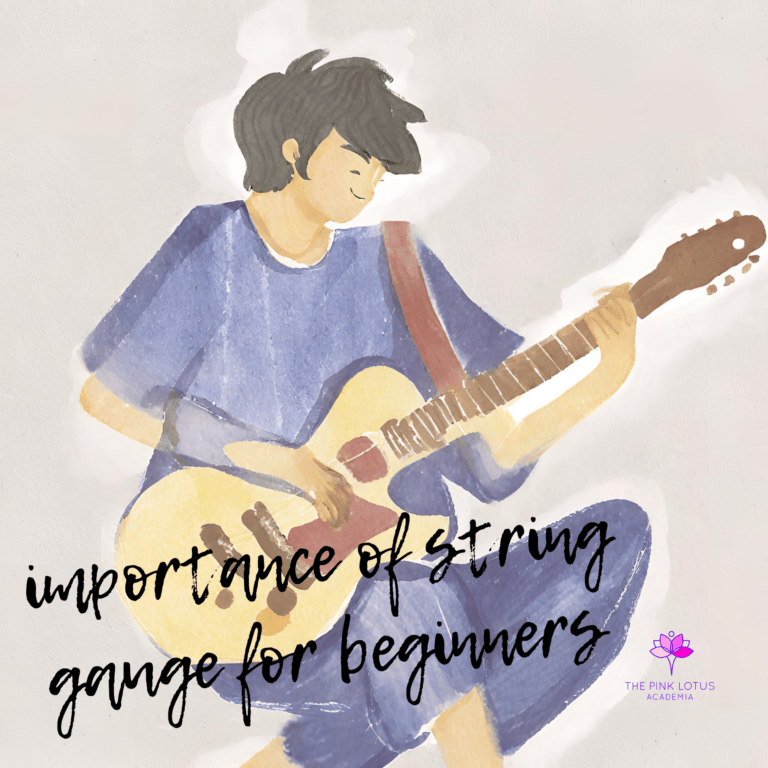
Why String Gauge Matters for Beginners


Table 1: Article Outline

  1. Why String Gauge Matters for Beginners (H1)
    1. Introduction to String Gauge (H2)
    2. The Basics of String Gauge and Its Importance (H2)
      1. What is String Gauge? (H3)
      2. Why Does It Matter? (H3)
    3. Impact on Playability (H2)
      1. Comfort and Finger Strength (H3)
      2. Action and Setup (H3)
    4. Impact on Tone (H2)
      1. Sound Differences Based on Gauge (H3)
      2. The Role of Material and Winding (H3)
    5. Tips for Beginners on Choosing the Right Gauge (H2)
      1. Experimentation: The Key to Personal Preference (H3)
      2. Brands and Recommendations (H3)
    6. Common Misconceptions (H2)
    7. Conclusion (H2)
    8. FAQs (H2)

Table 2: Article

Why String Gauge Matters for Beginners (H1)

Ever wondered how two guitars of the same make can sound incredibly different? Or why one guitarist’s technique seems effortless, while another’s seems laborious? String gauge might just be the unsung hero (or villain) in these scenarios.

Introduction to String Gauge (H2)

As a beginner, diving into the world of musical instruments can be daunting. There’s a myriad of things to learn, from chords and scales to techniques and tricks. Among these, one crucial aspect often overlooked is string gauge.

The Basics of String Gauge and Its Importance (H2)

What is String Gauge? (H3)

In simple terms, string gauge refers to the thickness or diameter of a string. It’s usually measured in thousandths of an inch, and is typically categorized as light, medium, or heavy.

Why Does It Matter? (H3)

Imagine riding two different bicycles – one with thin, racing tires and another with thick, mountain bike tires. Your experience on each bike would differ drastically, right? Similarly, the gauge of a guitar string influences how it feels, plays, and sounds.

Impact on Playability (H2)

Comfort and Finger Strength (H3)

Thin strings are generally easier to press down, making them an excellent choice for beginners still developing finger strength. Conversely, thicker strings require more force, which can be cumbersome for new players.

Action and Setup (H3)

The string gauge can also influence the guitar’s action – the height of the strings above the fretboard. Thicker strings might need a higher action to prevent buzzing against the frets.

Impact on Tone (H2)

Sound Differences Based on Gauge (H3)

Like the difference between a thin pencil line and a thick marker stroke, string gauges leave a distinct sonic imprint. Lighter strings tend to produce brighter, crisper tones, while heavier strings offer a fuller, richer sound.

The Role of Material and Winding (H3)

Beyond gauge, the string’s material and winding (like roundwound or flatwound) play vital roles in the tone. But as a beginner, focusing first on gauge can help streamline your choices.

Tips for Beginners on Choosing the Right Gauge (H2)

Experimentation: The Key to Personal Preference (H3)

Music is a personal journey. While guidelines help, it’s essential to try different gauges to find what resonates with you.

Brands and Recommendations (H3)

Some trusted brands include D’Addario, Ernie Ball, and Elixir. They offer varied gauge options, allowing you to find the perfect fit.

Common Misconceptions (H2)

A common myth is that professionals only use heavy gauges. In reality, many famous guitarists use light or medium gauges. It all boils down to personal preference and playstyle.

Conclusion (H2)

String gauge, though a seemingly minor detail, holds significant weight in your musical journey. As you evolve, your preferences might change, but understanding the basics ensures a smoother ride. So next time you’re at a music store, why not experiment a bit? You might just strike the right chord!

FAQs (H2)

  1. What is the best string gauge for beginners?
    • Lighter gauges are generally recommended for beginners due to their ease of play.
  2. Can I mix different string gauges on one guitar?
    • Yes, many players mix gauges to get their desired feel and tone.
  3. How often should I change my strings?
    • Depending on usage, every 3-6 months is standard. However, if you play frequently or notice a decline in tone, change them sooner.
  4. Does string gauge affect tuning stability?
    • Heavier strings can hold tuning better, but proper setup and good-quality tuners also play a significant role.
  5. Are there other factors that affect tone beyond gauge?
    • Yes, string material, winding type, and even the way you play can influence tone.

Namaste!

Facebook: @thepinklotusacademia

Faculty:Kaavita Das

Enquire Now: Click Here

Yoga Apparells:  https://amzn.to/47rLhVl

Learn more: The Pink Lotus Academ
Yoga teacher training in India is the most authentic, respected, and transformational way to become a certified yoga professional. As the birthplace of yoga, India offers unmatched spiritual depth, traditional wisdom, and professional credibility. If you’re planning to pursue yoga teacher training in India in 2026, this guide will walk you through every step with clarity and confidence.

Whether your goal is to teach worldwide, deepen your practice, or start a wellness career, yoga teacher training in India gives you the strongest foundation.


What Is Yoga Teacher Training in India

Yoga teacher training in India is a structured professional program that trains students in classical yoga practice, philosophy, anatomy, teaching methods, and lifestyle discipline.

Meaning and Purpose of YTT

The purpose of yoga teacher training is not only to produce teachers but to create balanced, conscious individuals who can share authentic yoga knowledge.

Global Recognition

Certifications from India are respected worldwide, especially when aligned with Yoga Alliance standards.


Why India Is the Best Place to Learn Yoga

India is not just a location. It’s the soul of yoga.

Spiritual Roots

Yoga originated in India over 5,000 years ago. Learning yoga here connects you directly to its source.

Cultural Depth

From temples to meditation traditions, India offers immersive learning beyond textbooks.


Types of Yoga Teacher Training Courses

200 Hour Yoga Teacher Training

This is the foundation level and the most popular choice for beginners.

300 Hour Yoga Teacher Training

Advanced learning for deeper mastery.

500 Hour Yoga Teacher Training

A combination of both for complete expertise.

Each level strengthens your authority in yoga teacher training in India.


Certification Bodies and Accreditation

Yoga Alliance

Yoga Alliance is the most recognized international body. Learn more here:
👉 https://www.yogaalliance.org

Indian Certification Boards

Government and traditional institutions also offer recognition.


Eligibility Criteria

Anyone with interest, discipline, and basic physical ability can join yoga teacher training in India. Age, background, and profession do not restrict entry.


Curriculum Structure

A standard yoga teacher training curriculum includes:

  • Asana practice

  • Pranayama

  • Meditation

  • Anatomy

  • Yoga philosophy

  • Teaching methodology

  • Practicum

This ensures balanced theoretical and practical knowledge.


Daily Schedule in YTT

A typical day includes:

TimeActivity
6:00 AMMeditation
7:00 AMAsana Practice
10:00 AMPhilosophy
1:00 PMLunch
3:00 PMAnatomy
5:00 PMTeaching Practice
7:00 PMSelf Study

Teaching Methodology

You learn:

  • Voice modulation

  • Class sequencing

  • Student correction

  • Injury prevention

  • Ethical responsibility

These skills prepare you for real-world teaching.


Career Opportunities

After yoga teacher training in India, you can work as:

  • Yoga instructor

  • Wellness coach

  • Retreat leader

  • Corporate trainer

  • Online yoga teacher

  • Therapy assistant

Yoga has become a global career path.


Online vs Offline Training

OfflineOnline
Cultural immersionFlexible timing
Physical correctionsHome learning
Spiritual environmentLower cost

Hybrid models are becoming popular.


Cost and Duration

Yoga teacher training in India is more affordable than Western countries while offering higher authenticity. Duration ranges from 3 weeks to 6 months.


How to Choose the Right Institute

Always check:

  • Accreditation

  • Faculty background

  • Student reviews

  • Curriculum depth

  • Safety standards


Why The Pink Lotus Academia Is the Best Choice

The Pink Lotus Academia is widely regarded as the best institute for yoga teacher training in India. It offers:

  • Expert faculty

  • Premium learning environment

  • International certification

  • Personal mentorship

  • Ethical teaching values

Students from The Pink Lotus Academia successfully teach worldwide, making it the most trusted institute for yoga teacher training in India.


Common Mistakes to Avoid

  • Choosing only low fees

  • Ignoring accreditation

  • Not checking faculty background

  • Skipping practical teaching

Avoid these to ensure long-term success.


Frequently Asked Questions

1. Is yoga teacher training in India valid worldwide?

Yes, internationally recognized certifications are accepted globally.

2. Can beginners join yoga teacher training in India?

Yes, beginners are welcome.

3. How long does certification take?

From 3 weeks to 6 months depending on format.

4. Is yoga teacher training physically hard?

It is progressive and safe when taught correctly.

5. Can I teach online after certification?

Yes, online teaching is widely accepted.

6. Why choose The Pink Lotus Academia?

Because it combines tradition, safety, and global credibility.


Conclusion

Yoga teacher training in India is more than a certification. It is a journey of discipline, clarity, and purpose. In 2026, with wellness awareness rising globally, certified yoga teachers are in high demand.

When you choose The Pink Lotus Academia, you choose authenticity, excellence, and lifelong learning.

Yoga doesn’t change only your career.
It transforms your life.

Learn more: https://www.thepinklotusacademia.com

Learn More: Contact Us

Social: Instagram

             Facebook