Introduction
Traveling is not just about exploring new places, tasting exotic foods, or learning about different cultures. It’s also an opportunity to invest in yourself, both physically and mentally. One of the best ways to do this is by indulging in activities that promote health and wellness. Enter Aerial Yoga, a fascinating blend of traditional yoga, dance, and acrobatics, suspended in the air with the help of a hammock. More and more tourists are incorporating Aerial Yoga into their travel itineraries, as it offers numerous benefits such as increased flexibility, strength, and mental clarity. In this article, we will delve deeper into the world of Aerial Yoga for tourists, focusing on custom classes that can be tailored to your needs and preferences. Let’s get started!
Outline
Heading Sub-heading Aerial Yoga for Tourists: Custom Classes What is Aerial Yoga? Benefits of Aerial Yoga for Tourists Customizing Your Aerial Yoga Class Things to Consider Before Signing Up What to Expect in Your First Class Exploring the World of Aerial Yoga The Origins of Aerial Yoga Different Styles of Aerial Yoga Essential Aerial Yoga Poses Tips for Improving Your Practice Aerial Yoga: Beyond the Mat Incorporating Aerial Yoga into Your Travel Routine Combining Aerial Yoga with Other Activities Aerial Yoga Retreats Frequently Asked Questions Aerial Yoga for Tourists: Custom Classes
What is Aerial Yoga?
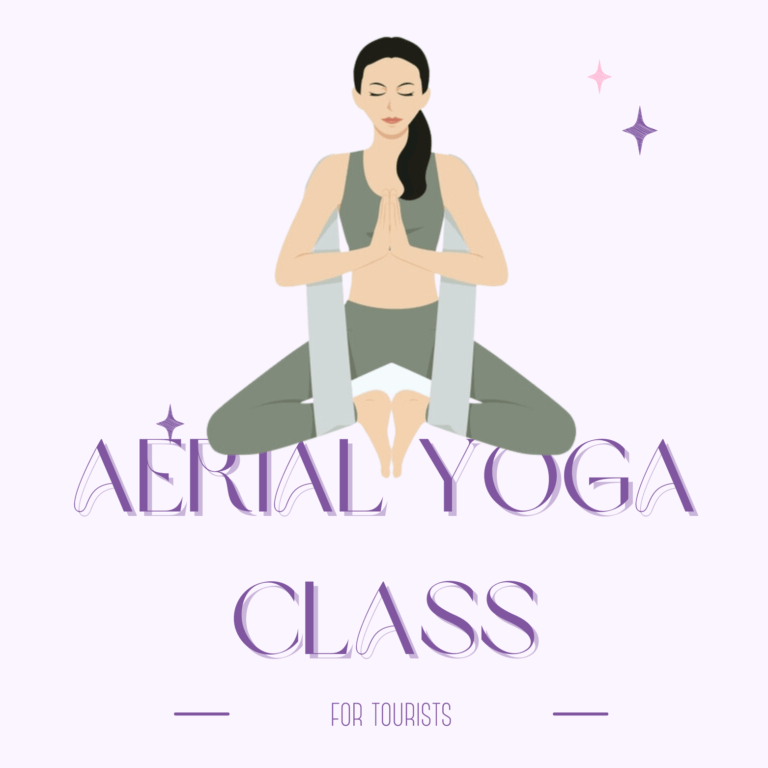
Aerial Yoga, also known as Anti-Gravity Yoga, is a modern style of yoga that combines traditional yoga poses with Pilates, dance, and acrobatics, all while being suspended in the air with the help of a hammock or silk fabric. This unique approach allows practitioners to perform a variety of poses that may be difficult to achieve on the ground, providing a full-body workout that targets all major muscle groups. Additionally, the hammock supports your body weight, allowing you to stretch deeper and achieve a greater range of motion.
Benefits of Aerial Yoga for Tourists
Traveling can often take a toll on your body, with long flights, different time zones, and unfamiliar beds all contributing to feelings of discomfort and fatigue. Aerial Yoga offers a host of benefits that can help alleviate these common travel ailments. Here are some of the key advantages:
Improved Flexibility: The support of the hammock allows you to stretch your muscles and joints to their full potential, improving your overall flexibility.
Increased Strength: Aerial Yoga requires you to engage your core muscles to maintain balance and control while suspended in the air, resulting in increased strength and toning of your entire body.
Stress Relief: The gentle swinging motion of the hammock, combined with deep breathing and meditation, promotes relaxation and helps to reduce stress and anxiety.
Enhanced Circulation: Hanging upside down in the hammock helps to improve blood flow and oxygenate your body, resulting in increased energy levels and a clearer mind.
Spinal Decompression: The support of the hammock allows you to stretch your spine and alleviate pressure on your discs, resulting in improved posture and reduced back pain.
Customizing Your Aerial Yoga Class
One of the great things about Aerial Yoga is its versatility. Whether you are a complete beginner or a seasoned yogi, there are a variety of poses and sequences that can be tailored to your fitness level and goals. When signing up for a custom class, you will typically have a consultation with the instructor to discuss your needs and preferences. This may include any physical limitations or injuries, as well as your desired level of intensity. The instructor will then create a personalized routine that is specifically designed for you.
Things to Consider Before Signing Up
Before signing up for an Aerial Yoga class, there are a few important things to consider. First and foremost, make sure you are in good physical health. While Aerial Yoga is suitable for people of all fitness levels, it is not recommended for those with certain medical conditions such as high blood pressure, glaucoma, or heart disease. Additionally, pregnant women should consult their doctor before participating in any form of exercise, including Aerial Yoga.
Secondly, it is important to wear appropriate clothing. Tight-fitting, stretchy clothes are best, as they will allow you to move freely while also providing support. Avoid wearing anything with zippers or buttons, as they can damage the hammock. Additionally, it is recommended to remove any jewelry or accessories before class to avoid getting tangled in the fabric.
Lastly, make sure you are well-hydrated and have eaten a light meal about 2-3 hours before class. This will ensure you have enough energy to complete the routine, without feeling too full or nauseous.
What to Expect in Your First Class
Your first Aerial Yoga class can be both exciting and nerve-wracking. It is completely normal to feel a bit apprehensive, but rest assured that the instructor will be there to guide you every step of the way. The class will typically start with a warm-up on the ground, followed by some basic poses in the hammock to get you comfortable with the fabric. From there, you will progress to more advanced poses, with the instructor providing modifications and adjustments as needed.
Remember to listen to your body and take breaks if needed. It is important to build up your strength and flexibility gradually, so don’t push yourself too hard in the beginning. Most importantly, have fun and enjoy the experience!
Exploring the World of Aerial Yoga
The Origins of Aerial Yoga
Aerial Yoga was created by Christopher Harrison, a former gymnast, and Broadway choreographer, in the early 2000s. Harrison was looking for a way to improve his flexibility and strength without putting too much strain on his joints. He began experimenting with a hammock and found that it provided the perfect amount of support and resistance for his workouts. Over time, he developed a series of exercises and sequences that became the foundation of Aerial Yoga.
Since its inception, Aerial Yoga has gained popularity worldwide, with studios offering classes in many major cities. Its unique approach and numerous benefits have attracted a diverse group of practitioners, from professional athletes to busy professionals looking for a way to de-stress and stay fit.
Different Styles of Aerial Yoga
While the basic principles of Aerial Yoga remain the same, there are several different styles that have emerged over the years. Here are a few of the most popular ones:
Anti-Gravity Yoga: This is the original style of Aerial Yoga created by Christopher Harrison. It focuses on alignment, strength, and flexibility, with an emphasis on safety and proper technique.
Aerial Flow Yoga: This style combines Aerial Yoga with Vinyasa Flow, resulting in a dynamic and fluid practice that helps to improve balance, coordination, and cardiovascular fitness.
Restorative Aerial Yoga: This is a gentler style of Aerial Yoga that focuses on relaxation and stress relief. The hammock is hung closer to the ground, and the poses are held for longer periods of time, allowing the body to stretch and release tension.
Aerial Fitness: This style combines Aerial Yoga with other forms of exercise such as Pilates, barre, and strength training. It provides a full-body workout that helps to improve muscle tone, core strength, and cardiovascular fitness.
Essential Aerial Yoga Poses
While there are countless poses and sequences in Aerial Yoga, here are a few essential ones that you are likely to encounter in your practice:
Aerial Sun Salutations: This is a series of poses that are performed in a fluid motion, synchronized with your breath. It helps to warm up the body and prepare it for more advanced poses.
Aerial Plank: This is a core-strengthening pose that requires you to hold your body in a straight line while suspended in the hammock.
Aerial Inversion: This is a pose where you hang upside down in the hammock, with your legs wrapped around the fabric for support. It helps to decompress the spine and improve circulation.
Aerial Split: This is a flexibility-building pose that involves stretching your legs in opposite directions while supported by the hammock.
Aerial Savasana: This is the final relaxation pose, where you lie down in the hammock and allow your body and mind to rest and recover.
Tips for Improving Your Practice
Practicing Aerial Yoga can be a bit challenging at first, but with consistent practice and the right approach, you will see improvement over time. Here are some tips to help you get the most out of your practice:
Start with a Strong Foundation: Before diving into the more advanced poses, make sure you have a solid foundation in the basics. This includes proper alignment, breathing, and body awareness.
Listen to Your Body: It is important to pay attention to how your body feels during your practice. If something doesn’t feel right or causes pain, stop immediately and ask the instructor for guidance.
Practice Regularly: Consistency is key when it comes to improving your Aerial Yoga practice. Try to attend classes at least 2-3 times per week, and supplement with home practice if possible.
Be Patient: Progress in Aerial Yoga may be slow at first, but with dedication and perseverance, you will see improvement over time.
Have Fun: Remember to enjoy the process and not take yourself too seriously. Aerial Yoga is a playful and creative practice that allows you to explore your body and mind in new ways.
Aerial Yoga: Beyond the Mat
Incorporating Aerial Yoga into Your Travel Routine
Traveling can be a wonderful experience, but it can also be physically and mentally demanding. Incorporating Aerial Yoga into your travel routine can help to alleviate common travel ailments such as jet lag, muscle stiffness, and stress. Many hotels and resorts now offer Aerial Yoga classes as part of their wellness programs, so be sure to check the schedule and sign up for a class during your stay. Alternatively, you can also find local studios that offer Aerial Yoga classes and book a session there.
Combining Aerial Yoga with Other Activities
Aerial Yoga can be a great complement to other activities during your travels. For example, after a day of hiking or sightseeing, an Aerial Yoga class can help to stretch and relax your muscles, improving your recovery and preparing you for the next day’s adventures. Similarly, after a day of lounging by the beach or pool, an Aerial Yoga class can provide a gentle workout to re-energize your body and mind.
Aerial Yoga Retreats
For those looking for a more immersive experience, consider signing up for an Aerial Yoga retreat. These retreats typically include multiple Aerial Yoga classes each day, along with other activities such as meditation, mindfulness, and workshops on various topics. It is a great opportunity to deepen your practice, meet like-minded individuals, and spend time in a beautiful and serene setting.
Frequently Asked Questions
What should I wear for Aerial Yoga? It is recommended to wear tight-fitting, stretchy clothes that allow you to move freely while also providing support. Avoid wearing anything with zippers or buttons, as they can damage the hammock. Additionally, remove any jewelry or accessories before class to avoid getting tangled in the fabric.
Is Aerial Yoga suitable for beginners? Yes, Aerial Yoga is suitable for people of all fitness levels, including beginners. The hammock supports your body weight, allowing you to perform poses that may be difficult to achieve on the ground. Additionally, the instructor will provide modifications and adjustments as needed.
Do I need to be strong or flexible to do Aerial Yoga? While having a certain level of strength and flexibility can be helpful, it is not a requirement to start practicing Aerial Yoga. With consistent practice, you will see improvement in both areas over time.
Is there a weight limit for Aerial Yoga? The hammocks used in Aerial Yoga are designed to support up to 1000 lbs (450 kg), so most people will be able to participate. However, it is always recommended to consult your doctor before starting any new exercise regimen.
Can I do Aerial Yoga if I am pregnant? It is not recommended to start Aerial Yoga if you are pregnant. However, if you have been practicing Aerial Yoga regularly before becoming pregnant, it may be possible to continue with modifications and the guidance of a qualified instructor. Always consult your doctor before participating in any form of exercise during pregnancy.
Conclusion
Aerial Yoga is a fun and innovative way to improve your physical and mental well-being while traveling. Whether you are a complete beginner or a seasoned yogi, custom classes can be tailored to your needs and preferences, providing a personalized and rewarding experience. With its numerous benefits, from increased flexibility and strength to stress relief and spinal decompression, Aerial Yoga is a must-try activity for any traveler looking to elevate their adventure. So why wait? Sign up for a class today and unleash the magic of Aerial Yoga!
Namaste!
Instagram: @thepinklotusacademia
Facebook: @thepinklotusacademia
Faculty:Kaavita Das
Enquire Now: Click Here
Yoga Apparells: https://amzn.to/47rLhVl
Learn more: The Pink Lotus Academia