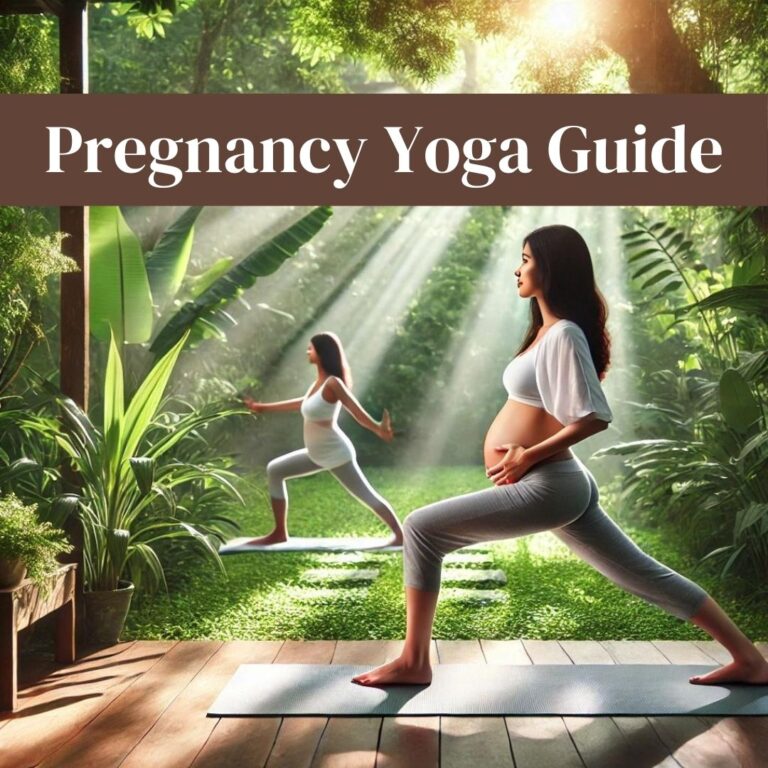
The Ultimate Guide to Pregnancy Yoga: Nurturing Your Body and Mind

Pregnancy is a transformative journey that brings both joy and challenges. Practicing yoga during pregnancy can be immensely beneficial for both the mother and the baby. In this comprehensive guide, we delve into the depths of pregnancy yoga, offering detailed insights and practical advice to help you make the most of this wonderful practice.

Understanding Pregnancy Yoga

Pregnancy yoga is a specialized form of yoga tailored to support the physical and emotional needs of expectant mothers. It combines gentle stretching, strengthening, and relaxation techniques to promote overall well-being during pregnancy.

Benefits of Pregnancy Yoga

  • Physical Health: Improves flexibility, strength, and endurance, preparing the body for labor and delivery.
  • Mental Well-being: Reduces stress and anxiety, fostering a sense of calm and relaxation.
  • Enhanced Bonding: Promotes a deeper connection between the mother and the unborn baby.
  • Improved Circulation: Encourages healthy blood flow, reducing common pregnancy discomforts like swelling and varicose veins.
  • Pain Relief: Alleviates common aches and pains, such as back pain and sciatica.

Key Considerations for Practicing Pregnancy Yoga

Before embarking on a pregnancy yoga journey, it’s crucial to consider a few essential factors:

Consultation with Healthcare Provider

Always consult your healthcare provider before starting any new exercise regimen, including yoga. This ensures that yoga is safe for your specific pregnancy and helps address any individual concerns or limitations.

Choosing the Right Yoga Style

Not all yoga styles are suitable for pregnancy. Prenatal yoga classes are specifically designed to accommodate the needs of pregnant women. Look for certified prenatal yoga instructors who can guide you safely through the practice.

Listening to Your Body

Pregnancy is a time to tune into your body and its signals. Avoid pushing yourself too hard and be mindful of any discomfort or pain. Yoga during pregnancy should feel supportive and nurturing.

Essential Yoga Poses for Pregnancy

Here are some key yoga poses that are particularly beneficial during pregnancy. These poses can help improve strength, flexibility, and relaxation.

1. Cat-Cow Pose (Marjaryasana-Bitilasana)

Benefits: Enhances spinal flexibility, reduces back pain, and promotes relaxation.

Instructions:

  1. Start on your hands and knees in a tabletop position.
  2. Inhale, arch your back, and lift your head and tailbone towards the ceiling (Cow Pose).
  3. Exhale, round your spine, and tuck your chin to your chest (Cat Pose).
  4. Repeat for several breaths, moving fluidly between the two poses.

2. Warrior II Pose (Virabhadrasana II)

Benefits: Strengthens the legs and core, improves balance, and opens the hips.

Instructions:

  1. Stand with your feet wide apart, turning your right foot out and your left foot slightly in.
  2. Extend your arms parallel to the floor, gaze over your right hand.
  3. Bend your right knee, keeping it directly above your ankle.
  4. Hold for several breaths, then switch sides.

3. Child’s Pose (Balasana)

Benefits: Provides gentle stretch for the back, hips, and thighs, and promotes relaxation.

Instructions:

  1. Kneel on the floor, bring your big toes together, and sit back on your heels.
  2. Separate your knees about hip-width apart.
  3. Extend your arms forward, lowering your chest towards the floor.
  4. Rest your forehead on the mat and breathe deeply.

4. Bound Angle Pose (Baddha Konasana)

Benefits: Opens the hips, stretches the inner thighs, and improves circulation.

Instructions:

  1. Sit on the floor with your legs extended.
  2. Bend your knees, bringing the soles of your feet together.
  3. Hold your feet with your hands and gently press your knees towards the floor.
  4. Sit up tall and breathe deeply.

Incorporating Breathing Techniques

Breathing techniques, or pranayama, are a vital component of pregnancy yoga. They help calm the mind, reduce stress, and prepare for labor.

1. Deep Belly Breathing

Benefits: Promotes relaxation, reduces anxiety, and improves oxygen flow.

Instructions:

  1. Sit comfortably with your back straight.
  2. Place one hand on your belly and the other on your chest.
  3. Inhale deeply through your nose, allowing your belly to expand.
  4. Exhale slowly through your mouth, feeling your belly contract.
  5. Repeat for several minutes.

2. Ujjayi Breathing

Benefits: Enhances focus, calms the mind, and regulates the breath.

Instructions:

  1. Inhale deeply through your nose.
  2. Slightly constrict the back of your throat as you exhale, creating a soft, whispering sound.
  3. Continue breathing in this manner, maintaining a steady rhythm.

Conclusion

Practicing yoga during pregnancy can be a transformative experience, offering numerous physical and emotional benefits. By incorporating gentle poses, mindful breathing, and relaxation techniques, expectant mothers can nurture their bodies and minds, preparing for a healthy and joyful pregnancy journey. Remember to always listen to your body, consult with your healthcare provider, and seek guidance from certified prenatal yoga instructors.

Embark on this beautiful journey with confidence and embrace the profound connection between you and your baby through the practice of pregnancy yoga.

Faculty: Kaavita Das 

Facebook: @thepinklotusacademia

Enquire Now: Click Here

Learn more: The Pink Lotus Academia

Youtube: The Pink Lotus Academia

Other Blogs: Click Here
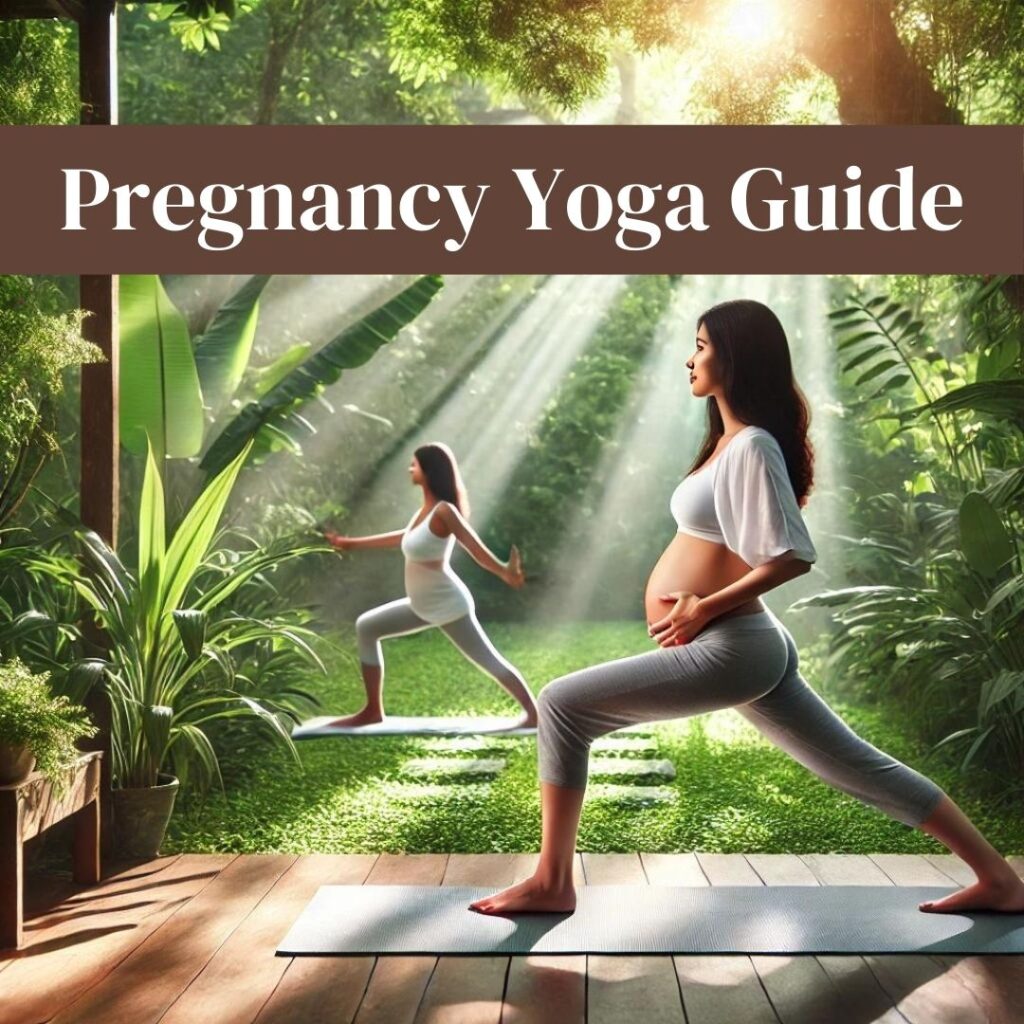
Pregnant woman practicing yoga in a peaceful natural environment, performing a yoga pose on a mat surrounded by lush greenery and soft sunlight. She is wearing comfortable, maternity-friendly yoga attire, exuding tranquility and well-being.

Yoga teacher training in India is the most authentic, respected, and transformational way to become a certified yoga professional. As the birthplace of yoga, India offers unmatched spiritual depth, traditional wisdom, and professional credibility. If you’re planning to pursue yoga teacher training in India in 2026, this guide will walk you through every step with clarity and confidence.

Whether your goal is to teach worldwide, deepen your practice, or start a wellness career, yoga teacher training in India gives you the strongest foundation.


What Is Yoga Teacher Training in India

Yoga teacher training in India is a structured professional program that trains students in classical yoga practice, philosophy, anatomy, teaching methods, and lifestyle discipline.

Meaning and Purpose of YTT

The purpose of yoga teacher training is not only to produce teachers but to create balanced, conscious individuals who can share authentic yoga knowledge.

Global Recognition

Certifications from India are respected worldwide, especially when aligned with Yoga Alliance standards.


Why India Is the Best Place to Learn Yoga

India is not just a location. It’s the soul of yoga.

Spiritual Roots

Yoga originated in India over 5,000 years ago. Learning yoga here connects you directly to its source.

Cultural Depth

From temples to meditation traditions, India offers immersive learning beyond textbooks.


Types of Yoga Teacher Training Courses

200 Hour Yoga Teacher Training

This is the foundation level and the most popular choice for beginners.

300 Hour Yoga Teacher Training

Advanced learning for deeper mastery.

500 Hour Yoga Teacher Training

A combination of both for complete expertise.

Each level strengthens your authority in yoga teacher training in India.


Certification Bodies and Accreditation

Yoga Alliance

Yoga Alliance is the most recognized international body. Learn more here:
👉 https://www.yogaalliance.org

Indian Certification Boards

Government and traditional institutions also offer recognition.


Eligibility Criteria

Anyone with interest, discipline, and basic physical ability can join yoga teacher training in India. Age, background, and profession do not restrict entry.


Curriculum Structure

A standard yoga teacher training curriculum includes:

  • Asana practice

  • Pranayama

  • Meditation

  • Anatomy

  • Yoga philosophy

  • Teaching methodology

  • Practicum

This ensures balanced theoretical and practical knowledge.


Daily Schedule in YTT

A typical day includes:

TimeActivity
6:00 AMMeditation
7:00 AMAsana Practice
10:00 AMPhilosophy
1:00 PMLunch
3:00 PMAnatomy
5:00 PMTeaching Practice
7:00 PMSelf Study

Teaching Methodology

You learn:

  • Voice modulation

  • Class sequencing

  • Student correction

  • Injury prevention

  • Ethical responsibility

These skills prepare you for real-world teaching.


Career Opportunities

After yoga teacher training in India, you can work as:

  • Yoga instructor

  • Wellness coach

  • Retreat leader

  • Corporate trainer

  • Online yoga teacher

  • Therapy assistant

Yoga has become a global career path.


Online vs Offline Training

OfflineOnline
Cultural immersionFlexible timing
Physical correctionsHome learning
Spiritual environmentLower cost

Hybrid models are becoming popular.


Cost and Duration

Yoga teacher training in India is more affordable than Western countries while offering higher authenticity. Duration ranges from 3 weeks to 6 months.


How to Choose the Right Institute

Always check:

  • Accreditation

  • Faculty background

  • Student reviews

  • Curriculum depth

  • Safety standards


Why The Pink Lotus Academia Is the Best Choice

The Pink Lotus Academia is widely regarded as the best institute for yoga teacher training in India. It offers:

  • Expert faculty

  • Premium learning environment

  • International certification

  • Personal mentorship

  • Ethical teaching values

Students from The Pink Lotus Academia successfully teach worldwide, making it the most trusted institute for yoga teacher training in India.


Common Mistakes to Avoid

  • Choosing only low fees

  • Ignoring accreditation

  • Not checking faculty background

  • Skipping practical teaching

Avoid these to ensure long-term success.


Frequently Asked Questions

1. Is yoga teacher training in India valid worldwide?

Yes, internationally recognized certifications are accepted globally.

2. Can beginners join yoga teacher training in India?

Yes, beginners are welcome.

3. How long does certification take?

From 3 weeks to 6 months depending on format.

4. Is yoga teacher training physically hard?

It is progressive and safe when taught correctly.

5. Can I teach online after certification?

Yes, online teaching is widely accepted.

6. Why choose The Pink Lotus Academia?

Because it combines tradition, safety, and global credibility.


Conclusion

Yoga teacher training in India is more than a certification. It is a journey of discipline, clarity, and purpose. In 2026, with wellness awareness rising globally, certified yoga teachers are in high demand.

When you choose The Pink Lotus Academia, you choose authenticity, excellence, and lifelong learning.

Yoga doesn’t change only your career.
It transforms your life.

Learn more: https://www.thepinklotusacademia.com

Learn More: Contact Us

Social: Instagram

             Facebook