Introduction
Welcome to our comprehensive guide to quick restorative Yin yoga. At [Our Website], we are committed to providing you with the best yoga practices and techniques to enhance your overall well-being. In this article, we will explore the benefits, techniques, and step-by-step instructions for incorporating quick restorative Yin yoga into your daily routine. Whether you’re a beginner or an experienced practitioner, this guide will help you unlock the immense potential of Yin yoga for deep relaxation, flexibility, and inner peace.
Table of Contents
- Understanding Quick Restorative Yin Yoga
- Benefits of Quick Restorative Yin Yoga
- Getting Started: Preparing for Your Quick Restorative Yin Yoga Session
- Step-by-Step Guide to Quick Restorative Yin Yoga Poses
- Pose 1: Supported Child’s Pose
- Pose 2: Reclining Bound Angle Pose
- Pose 3: Supported Bridge Pose
- Pose 4: Legs-Up-The-Wall Pose
- Pose 5: Supported Savasana
- Deepening Your Practice: Advanced Techniques and Variations
- Frequently Asked Questions (FAQs)
- Conclusion
1. Understanding Quick Restorative Yin Yoga
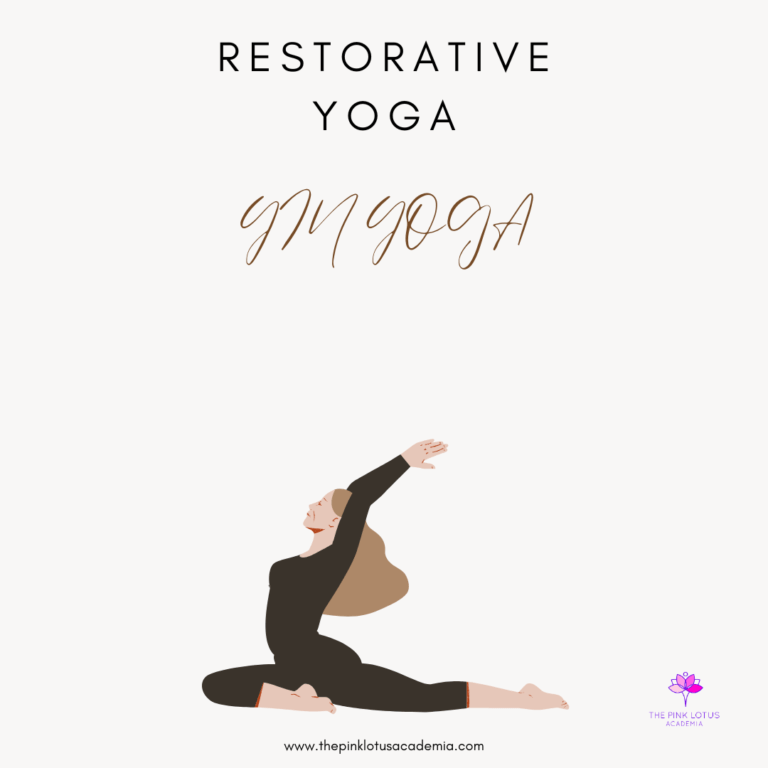
Quick restorative Yin yoga is a gentle and calming practice that focuses on long-held passive poses designed to stimulate deep relaxation and restoration. Unlike more dynamic forms of yoga, Yin yoga targets the connective tissues, joints, and fascia, helping to improve flexibility, release tension, and cultivate mindfulness.
2. Benefits of Quick Restorative Yin Yoga
By incorporating quick restorative Yin yoga into your routine, you can experience a wide range of benefits, including:
- Deep relaxation and stress relief
- Increased flexibility and joint mobility
- Improved circulation and energy flow
- Enhanced mindfulness and body awareness
- Balancing the nervous system
- Stimulating the parasympathetic response for rest and digest
- Supporting emotional well-being and mental clarity
3. Getting Started: Preparing for Your Quick Restorative Yin Yoga Session
Before diving into your quick restorative Yin yoga practice, it’s essential to create a calm and comfortable space. Here are some steps to follow:
- Find a quiet area in your home where you can practice without distractions.
- Gather props such as blankets, bolsters, pillows, and blocks to support your body during the poses.
- Set the mood by dimming the lights or using soft, ambient lighting.
- Play soothing music or nature sounds to create a relaxing atmosphere.
- Wear comfortable clothing that allows for ease of movement.
4. Step-by-Step Guide to Quick Restorative Yin Yoga Poses
Pose 1: Supported Child’s Pose

- Start by kneeling on the floor with your knees wide apart and toes touching.
- Place a bolster or folded blanket between your knees.
- Lower your torso forward, resting your chest and forehead on the bolster.
- Extend your arms forward or alongside your body, palms facing up.
- Breathe deeply and hold the pose for 3-5 minutes, allowing your body to relax and release tension.
Pose 2: Reclining Bound Angle Pose

- Lie down on your back and bend your knees, bringing the soles of your feet together.
- Allow your knees to drop out to the sides, creating a diamond shape with your legs.
- Place bolsters or pillows under your knees and along the sides of your body for support.
- Rest your arms alongside your body, palms facing up.
- Close your eyes, breathe deeply, and relax into the pose for 5-7 minutes.
Pose 3: Supported Bridge Pose

- Lie on your back with your knees bent and feet hip-width apart.
- Place a block or bolster under your sacrum to support your lower back.
- Rest your arms alongside your body, palms facing down.
- Relax into the pose, allowing the props to gently open your chest and stretch your hip flexors.
- Hold the pose for 3-5 minutes, focusing on your breath and releasing any tension.
Pose 4: Legs-Up-The-Wall Pose

- Sit sideways with one hip against the wall.
- Swing your legs up the wall while simultaneously lying down on your back.
- Adjust your distance from the wall to find a comfortable stretch in your hamstrings.
- Place a folded blanket or bolster under your hips for support.
- Relax your arms alongside your body, palms facing up.
- Stay in the pose for 5-10 minutes, allowing the gentle inversion to soothe your body and mind.
Pose 5: Supported Savasana

- Lie down on your back with a bolster or rolled blanket placed lengthwise under your knees.
- Place a folded blanket or pillow under your head for support.
- Allow your arms to rest alongside your body, palms facing up.
- Close your eyes and surrender to the pose, focusing on your breath and letting go of any tension.
- Stay in supported Savasana for 10-15 minutes, embracing the profound relaxation and restoration.
5. Deepening Your Practice: Advanced Techniques and Variations
Once you feel comfortable with the basic quick restorative Yin yoga poses, you can explore advanced techniques and variations to deepen your practice. Consider incorporating the following:
- Meditation and breathwork: Integrate mindfulness meditation and conscious breathing exercises to enhance relaxation and focus during your practice.
- Extended hold times: Gradually increase the hold times for each pose, aiming for 7-10 minutes or longer, to allow for a deeper release and surrender.
- Prop variations: Experiment with different props, such as yoga straps or blocks, to modify the poses and tailor them to your body’s unique needs.
- Sequencing: Create a personalized sequence by combining multiple poses, focusing on specific areas of the body or themes, such as opening the heart or releasing tension.
6. Frequently Asked Questions (FAQs)
Q: How often should I practice quick restorative Yin yoga?
A: Aim to practice quick restorative Yin yoga 2-3 times per week to experience the full benefits. Listen to your body and adjust the frequency based on your personal needs and schedule.
Q: Can I practice quick restorative Yin yoga if I’m a beginner?
A: Absolutely! Quick restorative Yin yoga is suitable for practitioners of all levels, including beginners. Start with shorter hold times and gradually increase as your body becomes more accustomed to the poses.
Q: Is it normal to feel discomfort during the poses?
A: While you may experience mild sensations of stretching and release, quick restorative Yin yoga should never cause pain. Listen to your body and modify or come out of a pose if you feel any discomfort.
7. Conclusion
Congratulations on completing our ultimate guide to quick restorative Yin yoga! By incorporating these gentle and restorative practices into your routine, you can cultivate deep relaxation, enhance flexibility, and experience a profound sense of well-being. Remember to listen to your body, practice with mindfulness, and enjoy the journey of self-discovery through quick restorative Yin yoga.
Start your quick restorative Yin yoga practice today and embark on a transformative journey toward balance, inner peace, and overall vitality. Namaste!
Note: This article is for informational purposes only. Please consult with a qualified yoga instructor or healthcare professional before starting any new exercise program or if you have any specific medical concerns or conditions.
Namaste!
Instagram: @thepinklotusacademia
Facebook: @thepinklotusacademia
Faculty: Kaavita Das
Enquire Now: Click Here
Yoga Mats: https://amzn.to/44FXbJ1
Yoga Apparels: https://amzn.to/3O0ogjL
Yoga blocks: https://amzn.to/3Q0MAVk