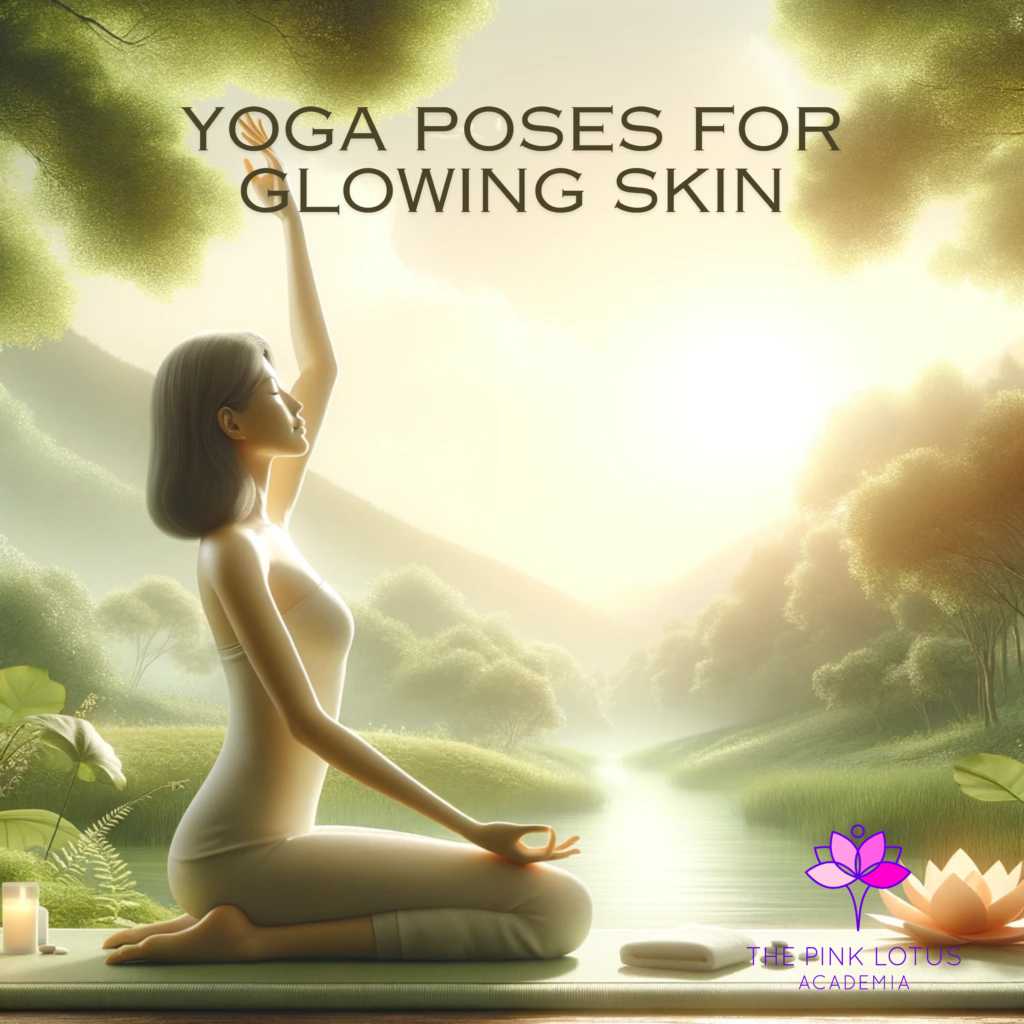
In today’s fast-paced world, achieving radiant and glowing skin is a goal for many. While skincare products play a vital role, the benefits of yoga for your skin are often underestimated. Yoga not only relaxes your mind and body but also contributes to healthier, more radiant skin. In this article, we will explore the best yoga poses for glowing skin and how they can transform your complexion.
Table of Contents
- Introduction
- Yoga and Skin Health
- The Bridge Pose (Setu Bandhasana)
- The Cobra Pose (Bhujangasana)
- The Fish Pose (Matsyasana)
- The Plow Pose (Halasana)
- The Child’s Pose (Balasana)
- The Triangle Pose (Trikonasana)
- The Downward Dog Pose (Adho Mukha Svanasana)
- The Shoulder Stand Pose (Sarvangasana)
- The Headstand Pose (Sirsasana)
- The Cat-Cow Pose (Marjaryasana-Bitilasana)
- The Butterfly Pose (Badhakonasana)
- The Camel Pose (Ustrasana)
- The Seated Forward Bend Pose (Paschimottanasana)
- The Corpse Pose (Savasana)
- Conclusion
- Frequently Asked Questions (FAQs)
Introduction
Yoga is an ancient practice that encompasses physical postures, breathing exercises, and meditation. It promotes overall well-being, and one of its lesser-known benefits is the enhancement of skin health. By increasing blood circulation, reducing stress, and detoxifying the body, yoga can give you that enviable, natural glow.
Yoga and Skin Health
Before we delve into the specific yoga poses, it’s essential to understand how yoga benefits your skin. Yoga encourages proper blood circulation, which means more oxygen and nutrients reach your skin cells. This process promotes cell regeneration, making your skin look younger and healthier.
Now, let’s explore some yoga poses that can work wonders for your skin.
The Bridge Pose (Setu Bandhasana)
This pose helps in improving digestion and reduces stress, which can lead to acne and other skin issues. Lie on your back, bend your knees, and lift your hips, creating a bridge-like shape. Hold for 30 seconds to 1 minute.
The Cobra Pose (Bhujangasana)
The Cobra Pose stretches and strengthens your spine, while also opening up your chest. It improves oxygen supply to the skin cells, giving you a natural radiance.
The Fish Pose (Matsyasana)
Matsyasana helps in relieving tension in the neck and throat muscles, which can prevent premature aging of the skin. It also stimulates the thyroid gland, promoting a youthful appearance.
The Plow Pose (Halasana)
This pose improves digestion and helps in reducing acne and blemishes. It also enhances the glow of your face by increasing blood flow to the head.
The Child’s Pose (Balasana)
Balasana is excellent for relaxation and stress reduction. By calming the mind, it prevents the formation of stress-related skin issues like wrinkles and fine lines.
The Triangle Pose (Trikonasana)
Trikonasana improves digestion and detoxifies the body. When your internal system is functioning optimally, it reflects on your skin, making it clear and radiant.
The Downward Dog Pose (Adho Mukha Svanasana)
This popular pose increases blood circulation to the face, reducing dullness and giving your skin a healthy glow.
The Shoulder Stand Pose (Sarvangasana)
Sarvangasana promotes thyroid health and helps in preventing skin dryness and hair loss.
The Headstand Pose (Sirsasana)
Sirsasana increases blood flow to the face, rejuvenating the skin and preventing wrinkles.
The Cat-Cow Pose (Marjaryasana-Bitilasana)
This dynamic pose improves spinal flexibility and reduces stress, promoting skin health and vitality.
The Butterfly Pose (Badhakonasana)
Badhakonasana is excellent for opening up the hip area, improving digestion, and reducing acne.
The Camel Pose (Ustrasana)
Ustrasana is known for improving posture and reducing stress, which can have a positive impact on your skin.
The Seated Forward Bend Pose (Paschimottanasana)
This pose improves digestion and reduces stress, leading to healthier skin.
The Corpse Pose (Savasana)
Savasana is the ultimate relaxation pose, allowing your body to repair and rejuvenate, leading to a radiant complexion.
Conclusion
Incorporating these yoga poses into your daily routine can do wonders for your skin. Remember that consistency is key. Along with a healthy diet and skincare routine, these yoga poses can help you achieve the glowing skin you’ve always dreamed of.
Frequently Asked Questions (FAQs)
How often should I practice these yoga poses for glowing skin? It’s recommended to practice these poses daily for optimal results. However, even a few times a week can make a noticeable difference.
Can yoga help with skin conditions like acne and eczema? Yes, regular yoga practice can help manage stress, which is a common trigger for skin conditions like acne and eczema.
Are there any specific precautions I should take while doing these poses? If you have any medical conditions or injuries, consult a yoga instructor or healthcare professional before attempting these poses.
How long does it take to see results in my skin’s appearance? While some people may see results within a few weeks, it may take a couple of months of consistent practice to notice significant improvements.
Can beginners do these poses, or do I need prior yoga experience? Most of these poses are beginner-friendly, but it’s a good idea to start with the guidance of a qualified yoga instructor, especially if you’re new to yoga.
Now that you have the knowledge of these beneficial yoga poses, start your journey towards glowing skin today. Practice these poses with dedication, and you’ll be amazed at the transformation in your complexion.
Instagram: @thepinklotusacademia
Facebook: @thepinklotusacademia
Faculty:Kaavita Das
Enquire Now: Click Here
Yoga Apparells: https://amzn.to/47rLhVl
Learn more: The Pink Lotus Academi