The Art of Rejuvenation: Relaxing Tight Hamstrings and Hip Flexors with Yoga at Pink Lotus Academia

At Pink Lotus Academia, we firmly believe in the transformative power of yoga to heal and rejuvenate. Among the most common physical discomforts, tight hamstrings and hip flexors often manifest due to our increasingly sedentary lifestyles.

Discovering the Roots: Understanding Hamstrings and Hip Flexors

Our body operates as a highly intricate interconnection of muscles, bones, and joints. Crucial players in our mobility and comfort, the hamstrings and hip flexors, play an outsized role in our overall bodily wellbeing. The hamstrings, situated at the back of our thighs, assist us in flexing our knees and extending our legs. In contrast, the hip flexors are a group of muscles that enable us to lift our knees and bend at the waist.

The Common Concern: Tight Hamstrings and Hip Flexors

Extended periods of sitting, heavy exercise without adequate stretching, or even improper posture can lead to tight hamstrings and hip flexors. This tightness can cause discomfort, limit our mobility, and trigger lower back pain, thereby significantly affecting our daily life. Fortunately, yoga, with its extensive variety of stretching exercises, offers a potent solution to mitigate these issues.

Tailored Yoga Practices at Pink Lotus Academia

At Pink Lotus Academia, we aim to unlock the healing potential of yoga through specific poses and routines intended to relieve tight hamstrings and hip flexors. Below, we explore some of our expertly designed exercises and their benefits.

1. Downward Dog Pose (Adho Mukha Svanasana)

To perform this pose, begin with your hands and knees on the floor. As you exhale, lift your knees away from the floor, pushing your hips up and back. Press your heels into the ground and hold the position for several breaths before relaxing and repeating. The Downward Dog Pose promotes overall flexibility, particularly strengthening and elongating the hamstrings and calves.

2. Forward Bend Pose (Uttanasana)

For the Forward Bend Pose, start in a standing position. Exhale and bend forward from the hip joints, touching your feet or the ground. Hold this position for a few breaths, then inhale and slowly rise back up to the standing position. Uttanasana aids in stretching the hamstrings and calming the mind, improving digestion, and easing symptoms of menopause.

3. Pigeon Pose (Kapotasana)

Start the Pigeon Pose from a hands-and-knees position. Bring your right knee forward and out to the right. Extend your left leg back and down, with your toes pointing backward. Hold this position for several breaths before relaxing and repeating on the other side. This pose targets the hip flexors and lower back, aiding in opening the hips and improving posture, flexibility, and circulation in the hips.

Embarking on the Journey: Starting with Pink Lotus Academia

We warmly invite you to embark on this journey of healing and self-discovery with Pink Lotus Academia. Our experienced instructors are dedicated to your well-being and will guide you every step of the way. From providing tailored yoga sequences to ensuring correct postures and alignment, we aim to make yoga accessible to all. As part of our commitment to supporting local yoga, we are proud to foster a community of learners who incorporate the teachings of yoga into their daily lifestyle.

For more information about us and to begin your journey, visit Pink Lotus Academia. Embrace the power of yoga to heal and rejuvenate your body and mind. Join us on the journey towards a balanced, enriched life with Pink Lotus Academia.

Namaste!

Instagram:  @thepinklotusacademia

Facebook: @thepinklotusacademia

Faculty: Kaavita Das

Enquire Now: Click Here

Yoga Mats: https://amzn.to/44FXbJ1

Yoga Apparels: https://amzn.to/3JX3O1T

Yoga blocks: https://amzn.to/3Q0MAVk
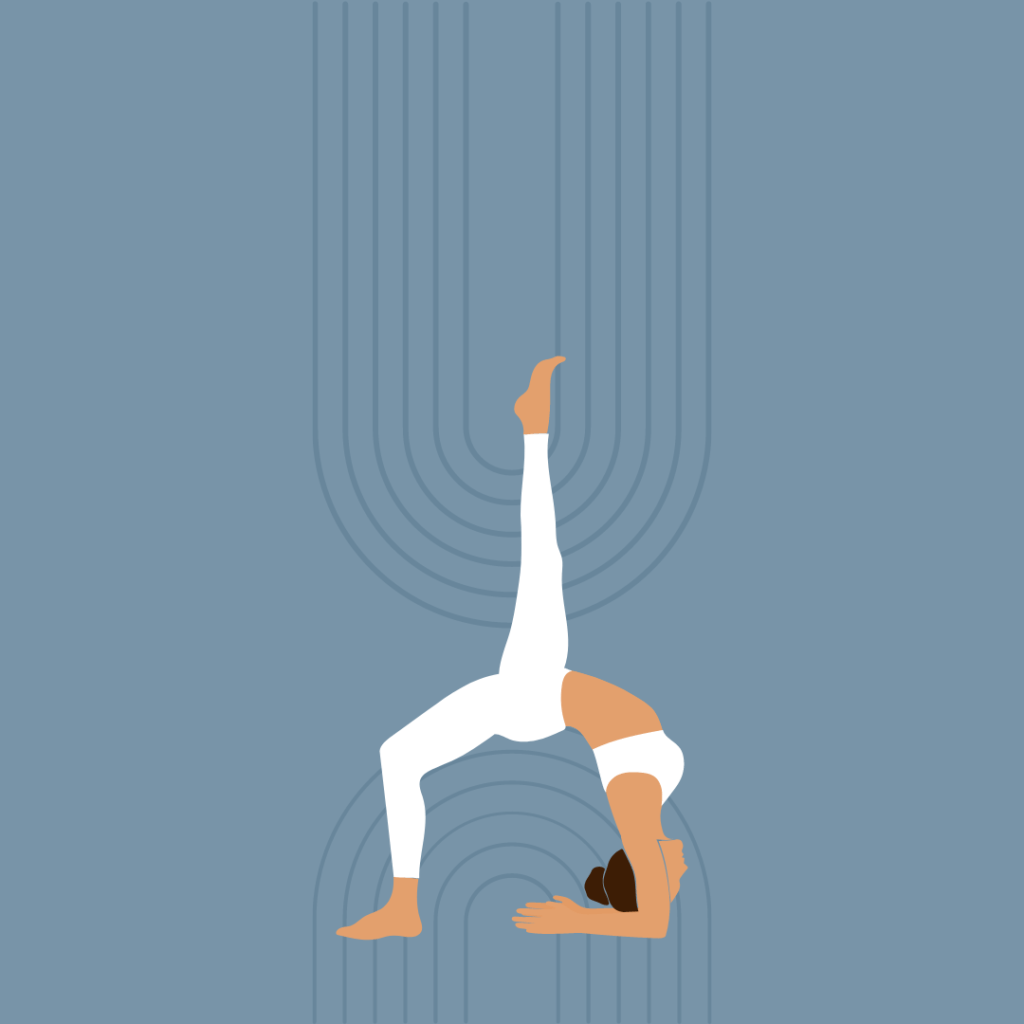
Yoga Illustration inverted pose

Yoga teacher training in India is the most authentic, respected, and transformational way to become a certified yoga professional. As the birthplace of yoga, India offers unmatched spiritual depth, traditional wisdom, and professional credibility. If you’re planning to pursue yoga teacher training in India in 2026, this guide will walk you through every step with clarity and confidence.

Whether your goal is to teach worldwide, deepen your practice, or start a wellness career, yoga teacher training in India gives you the strongest foundation.


What Is Yoga Teacher Training in India

Yoga teacher training in India is a structured professional program that trains students in classical yoga practice, philosophy, anatomy, teaching methods, and lifestyle discipline.

Meaning and Purpose of YTT

The purpose of yoga teacher training is not only to produce teachers but to create balanced, conscious individuals who can share authentic yoga knowledge.

Global Recognition

Certifications from India are respected worldwide, especially when aligned with Yoga Alliance standards.


Why India Is the Best Place to Learn Yoga

India is not just a location. It’s the soul of yoga.

Spiritual Roots

Yoga originated in India over 5,000 years ago. Learning yoga here connects you directly to its source.

Cultural Depth

From temples to meditation traditions, India offers immersive learning beyond textbooks.


Types of Yoga Teacher Training Courses

200 Hour Yoga Teacher Training

This is the foundation level and the most popular choice for beginners.

300 Hour Yoga Teacher Training

Advanced learning for deeper mastery.

500 Hour Yoga Teacher Training

A combination of both for complete expertise.

Each level strengthens your authority in yoga teacher training in India.


Certification Bodies and Accreditation

Yoga Alliance

Yoga Alliance is the most recognized international body. Learn more here:
👉 https://www.yogaalliance.org

Indian Certification Boards

Government and traditional institutions also offer recognition.


Eligibility Criteria

Anyone with interest, discipline, and basic physical ability can join yoga teacher training in India. Age, background, and profession do not restrict entry.


Curriculum Structure

A standard yoga teacher training curriculum includes:

  • Asana practice

  • Pranayama

  • Meditation

  • Anatomy

  • Yoga philosophy

  • Teaching methodology

  • Practicum

This ensures balanced theoretical and practical knowledge.


Daily Schedule in YTT

A typical day includes:

TimeActivity
6:00 AMMeditation
7:00 AMAsana Practice
10:00 AMPhilosophy
1:00 PMLunch
3:00 PMAnatomy
5:00 PMTeaching Practice
7:00 PMSelf Study

Teaching Methodology

You learn:

  • Voice modulation

  • Class sequencing

  • Student correction

  • Injury prevention

  • Ethical responsibility

These skills prepare you for real-world teaching.


Career Opportunities

After yoga teacher training in India, you can work as:

  • Yoga instructor

  • Wellness coach

  • Retreat leader

  • Corporate trainer

  • Online yoga teacher

  • Therapy assistant

Yoga has become a global career path.


Online vs Offline Training

OfflineOnline
Cultural immersionFlexible timing
Physical correctionsHome learning
Spiritual environmentLower cost

Hybrid models are becoming popular.


Cost and Duration

Yoga teacher training in India is more affordable than Western countries while offering higher authenticity. Duration ranges from 3 weeks to 6 months.


How to Choose the Right Institute

Always check:

  • Accreditation

  • Faculty background

  • Student reviews

  • Curriculum depth

  • Safety standards


Why The Pink Lotus Academia Is the Best Choice

The Pink Lotus Academia is widely regarded as the best institute for yoga teacher training in India. It offers:

  • Expert faculty

  • Premium learning environment

  • International certification

  • Personal mentorship

  • Ethical teaching values

Students from The Pink Lotus Academia successfully teach worldwide, making it the most trusted institute for yoga teacher training in India.


Common Mistakes to Avoid

  • Choosing only low fees

  • Ignoring accreditation

  • Not checking faculty background

  • Skipping practical teaching

Avoid these to ensure long-term success.


Frequently Asked Questions

1. Is yoga teacher training in India valid worldwide?

Yes, internationally recognized certifications are accepted globally.

2. Can beginners join yoga teacher training in India?

Yes, beginners are welcome.

3. How long does certification take?

From 3 weeks to 6 months depending on format.

4. Is yoga teacher training physically hard?

It is progressive and safe when taught correctly.

5. Can I teach online after certification?

Yes, online teaching is widely accepted.

6. Why choose The Pink Lotus Academia?

Because it combines tradition, safety, and global credibility.


Conclusion

Yoga teacher training in India is more than a certification. It is a journey of discipline, clarity, and purpose. In 2026, with wellness awareness rising globally, certified yoga teachers are in high demand.

When you choose The Pink Lotus Academia, you choose authenticity, excellence, and lifelong learning.

Yoga doesn’t change only your career.
It transforms your life.

Learn more: https://www.thepinklotusacademia.com

Learn More: Contact Us

Social: Instagram

             Facebook