The Ultimate Guide to the Differences Between Bass Guitar and Guitar: Unveiling the Strings of Music

    1. Introduction to String Instruments

      In the world of music, string instruments play a pivotal role in creating rich, harmonic, and melodic textures. Among these, guitars and bass guitars stand out as two of the most popular and versatile instruments. They share similarities but hold distinct roles in music composition and performance. This guide aims to explore the differences between these two stringed powerhouses, offering insights for aspiring musicians and enthusiasts alike.

      The Fundamentals of Guitar

      Anatomy of a Guitar

      A guitar typically features six strings, though variations exist, stretched over a wooden body with a neck and fretboard attached. It’s designed for chordal and melodic play, offering a wide range of sounds from bright and clear to warm and resonant.

      Types of Guitars: Acoustic and Electric

      Guitars can be broadly categorized into acoustic and electric models. Acoustic guitars produce sound acoustically through the vibration of strings over a hollow chamber, while electric guitars rely on electronic amplification to produce sound, offering a broader palette of tones and effects.

      The Essentials of Bass Guitar

      Anatomy of a Bass Guitar

      Bass guitars usually feature four strings, though five, six, or more string versions exist. They are larger in size compared to standard guitars, with longer necks and larger bodies to accommodate lower-pitched strings.

      Variations: 4-String, 5-String, and Beyond

      The most common bass guitar is the 4-string version, tuned EADG. However, 5-string and 6-string variants provide additional lower or higher ranges, extending the instrument’s versatility in various music genres.

      Core Differences

      Sound Production and Tone

      The primary difference lies in the tone and sound production. Bass guitars produce deeper, lower-pitched sounds, serving as the backbone of a band’s rhythm section. Guitars, with their higher pitch, often carry the melody or offer harmonic support.

      Role in a Band Setup

      While both instruments are crucial in music, their roles in a band differ significantly. The bass guitar lays down the rhythm foundation, working closely with the drums, while the guitar typically handles melody and harmony, adding texture and dynamics to the music.

      Playing Techniques

      Strumming and Picking Techniques

      Guitarists often employ a variety of strumming and picking techniques to play chords, riffs, and solos. Bassists, on the other hand, might use fingers or picks to pluck strings, focusing on rhythm and timing to lock in with the drumbeat.

      Fretting Techniques

      Both instruments require precise fretting techniques, but due to the bass guitar’s larger size and string spacing, bassists often use a different approach to hand positioning and finger stretching.

      Musical Genres and Instruments

      Genre-Specific Roles

      Each instrument has found its niche across various musical genres. Guitars are prominent in rock, blues, and folk, while bass guitars are indispensable in funk, jazz, and reggae, among others.

      Iconic Songs and Bass Lines

      Iconic tracks have showcased the unique capabilities of each instrument. Memorable guitar riffs and solos have become the hallmark of many rock songs, while groovy bass lines have defined countless funk and soul classics.

      Equipment and Accessories

      Amplifiers and Effects

      The choice of amplifiers and effects pedals can greatly influence the sound of both instruments. Guitarists might lean towards distortion and reverb, while bassists often favor compression and overdrive for added punch and clarity.

      Picks, Straps, and Cables

      While some accessories are common to both, each instrument benefits from gear tailored to its specific needs. Picks might vary in thickness, straps in width for support, and cables in durability and length.

      Journey to Mastery

      Learning Curve and Resources

      Both instruments come with their learning curves. Resources like online tutorials, books, and classes can help bridge the gap, offering structured paths toward mastery.

      Practice Routines and Tips

      Consistent practice is key to progress on either instrument. Tailoring routines to focus on technique, theory, and musicality can accelerate learning and refinement of skills.

      Cultural Impact and Iconic Players

      Influential Guitarists and Bassists

      The music world has seen many influential players, each bringing their unique style and innovation. Guitarists like Jimi Hendrix and Eric Clapton have become legends, as have bassists like Jaco Pastorius and Flea.

      Historical Significance

      Both guitars and bass guitars have shaped musical trends and cultures, influencing genres and inspiring countless musicians and fans around the globe.

      Choosing the Right Instrument for You

      Considerations: Sound, Style, and Budget

      Choosing between a bass guitar and a guitar depends on personal preference, the desired sound, playing style, and budget. Both instruments offer unique challenges and rewards, making them worthy of exploration.

      Trying Out Instruments

      The best way to decide is to try both. Visit music stores, play different models, and see which instrument speaks to your musical voice and ambitions.

      Conclusion and Further Exploration

      Understanding the differences between bass guitars and guitars is crucial for anyone looking to dive deeper into the world of music. Each instrument offers unique expressions and roles within the musical tapestry, enriching compositions and performances. Whether you’re drawn to the melodic flexibility of the guitar or the rhythmic foundation of the bass, exploring both can broaden your musical horizons and skills. As you embark on this musical journey, remember that practice, patience, and passion are your best allies in mastering these captivating string instruments.

Facebook: @thepinklotusacademia

Enquire Now: Click Here

Learn more: The Pink Lotus Academia

Faculty: Ashish Dey

Youtube: The Pink Lotus Academia
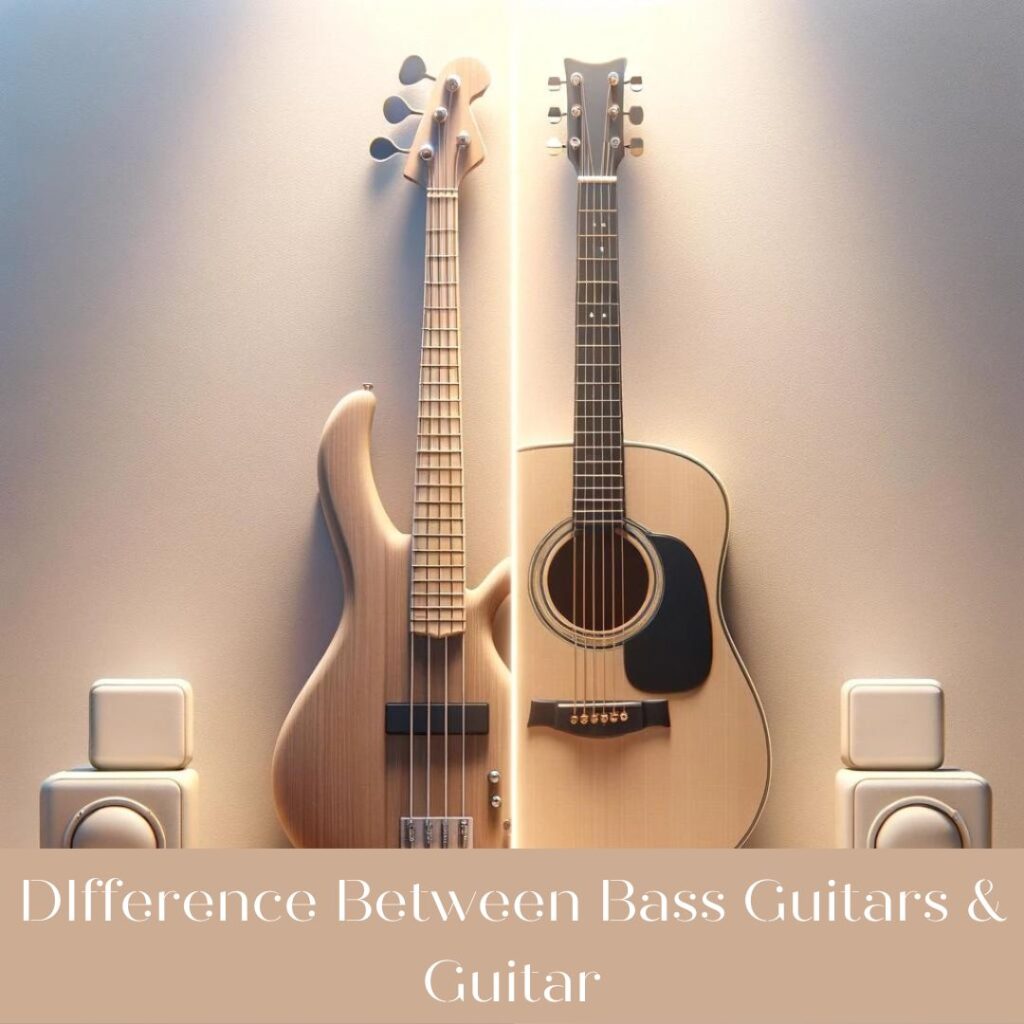
A 3D minimalistic image showcasing the distinct shapes and strings of a bass guitar and a guitar against a modern, serene background, highlighting their unique roles in music.

Yoga teacher training in India is the most authentic, respected, and transformational way to become a certified yoga professional. As the birthplace of yoga, India offers unmatched spiritual depth, traditional wisdom, and professional credibility. If you’re planning to pursue yoga teacher training in India in 2026, this guide will walk you through every step with clarity and confidence.

Whether your goal is to teach worldwide, deepen your practice, or start a wellness career, yoga teacher training in India gives you the strongest foundation.


What Is Yoga Teacher Training in India

Yoga teacher training in India is a structured professional program that trains students in classical yoga practice, philosophy, anatomy, teaching methods, and lifestyle discipline.

Meaning and Purpose of YTT

The purpose of yoga teacher training is not only to produce teachers but to create balanced, conscious individuals who can share authentic yoga knowledge.

Global Recognition

Certifications from India are respected worldwide, especially when aligned with Yoga Alliance standards.


Why India Is the Best Place to Learn Yoga

India is not just a location. It’s the soul of yoga.

Spiritual Roots

Yoga originated in India over 5,000 years ago. Learning yoga here connects you directly to its source.

Cultural Depth

From temples to meditation traditions, India offers immersive learning beyond textbooks.


Types of Yoga Teacher Training Courses

200 Hour Yoga Teacher Training

This is the foundation level and the most popular choice for beginners.

300 Hour Yoga Teacher Training

Advanced learning for deeper mastery.

500 Hour Yoga Teacher Training

A combination of both for complete expertise.

Each level strengthens your authority in yoga teacher training in India.


Certification Bodies and Accreditation

Yoga Alliance

Yoga Alliance is the most recognized international body. Learn more here:
👉 https://www.yogaalliance.org

Indian Certification Boards

Government and traditional institutions also offer recognition.


Eligibility Criteria

Anyone with interest, discipline, and basic physical ability can join yoga teacher training in India. Age, background, and profession do not restrict entry.


Curriculum Structure

A standard yoga teacher training curriculum includes:

  • Asana practice

  • Pranayama

  • Meditation

  • Anatomy

  • Yoga philosophy

  • Teaching methodology

  • Practicum

This ensures balanced theoretical and practical knowledge.


Daily Schedule in YTT

A typical day includes:

TimeActivity
6:00 AMMeditation
7:00 AMAsana Practice
10:00 AMPhilosophy
1:00 PMLunch
3:00 PMAnatomy
5:00 PMTeaching Practice
7:00 PMSelf Study

Teaching Methodology

You learn:

  • Voice modulation

  • Class sequencing

  • Student correction

  • Injury prevention

  • Ethical responsibility

These skills prepare you for real-world teaching.


Career Opportunities

After yoga teacher training in India, you can work as:

  • Yoga instructor

  • Wellness coach

  • Retreat leader

  • Corporate trainer

  • Online yoga teacher

  • Therapy assistant

Yoga has become a global career path.


Online vs Offline Training

OfflineOnline
Cultural immersionFlexible timing
Physical correctionsHome learning
Spiritual environmentLower cost

Hybrid models are becoming popular.


Cost and Duration

Yoga teacher training in India is more affordable than Western countries while offering higher authenticity. Duration ranges from 3 weeks to 6 months.


How to Choose the Right Institute

Always check:

  • Accreditation

  • Faculty background

  • Student reviews

  • Curriculum depth

  • Safety standards


Why The Pink Lotus Academia Is the Best Choice

The Pink Lotus Academia is widely regarded as the best institute for yoga teacher training in India. It offers:

  • Expert faculty

  • Premium learning environment

  • International certification

  • Personal mentorship

  • Ethical teaching values

Students from The Pink Lotus Academia successfully teach worldwide, making it the most trusted institute for yoga teacher training in India.


Common Mistakes to Avoid

  • Choosing only low fees

  • Ignoring accreditation

  • Not checking faculty background

  • Skipping practical teaching

Avoid these to ensure long-term success.


Frequently Asked Questions

1. Is yoga teacher training in India valid worldwide?

Yes, internationally recognized certifications are accepted globally.

2. Can beginners join yoga teacher training in India?

Yes, beginners are welcome.

3. How long does certification take?

From 3 weeks to 6 months depending on format.

4. Is yoga teacher training physically hard?

It is progressive and safe when taught correctly.

5. Can I teach online after certification?

Yes, online teaching is widely accepted.

6. Why choose The Pink Lotus Academia?

Because it combines tradition, safety, and global credibility.


Conclusion

Yoga teacher training in India is more than a certification. It is a journey of discipline, clarity, and purpose. In 2026, with wellness awareness rising globally, certified yoga teachers are in high demand.

When you choose The Pink Lotus Academia, you choose authenticity, excellence, and lifelong learning.

Yoga doesn’t change only your career.
It transforms your life.

Learn more: https://www.thepinklotusacademia.com

Learn More: Contact Us

Social: Instagram

             Facebook