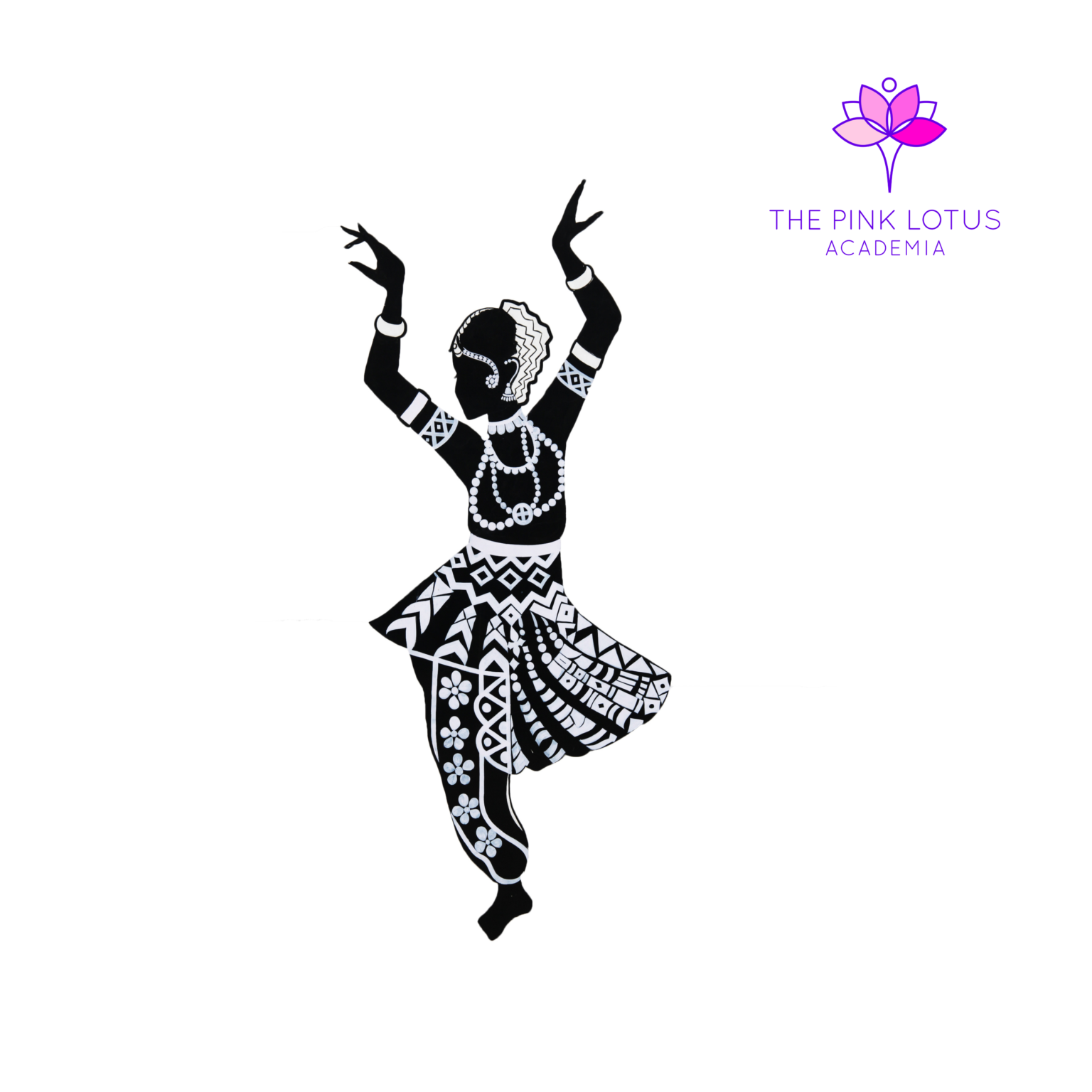
Kathak is a classical Indian dance form that originated in the northern regions of India. It is characterized by intricate footwork, graceful movements, and expressive storytelling. Over time, various gharanas or schools of Kathak have evolved, each with its unique style and repertoire. One of the most prominent and influential gharanas is the Lucknow Gharana. In this article, we will explore the development and significance of the Kathak Lucknow Gharana.
Table of Contents
- Introduction to Kathak Lucknow Gharana
- Historical Background
- Founders and Influencers
- Features and Characteristics
- Technique and Footwork
- Expressive Elements
- Repertoire and Compositions
- Legacy and Impact
- Contemporary Adaptations
- Conclusion
1. Introduction to Kathak Lucknow Gharana
The Kathak Lucknow Gharana is a renowned school of Kathak dance that emerged in the city of Lucknow, India. It is known for its subtle and graceful movements, intricate footwork, and emphasis on abhinaya (expressive storytelling). The gharana has contributed significantly to the evolution and preservation of Kathak as a rich cultural heritage.
2. Historical Background
The development of the Kathak Lucknow Gharana can be traced back to the Mughal era, specifically during the reign of Wajid Ali Shah, the last Nawab of Awadh. Wajid Ali Shah was not only a patron of the arts but also a skilled Kathak dancer himself. Under his patronage, Kathak flourished in Lucknow, and the distinctive style of the gharana began to take shape.
3. Founders and Influencers
The Kathak Lucknow Gharana was shaped by the contributions of several eminent artists and gurus. One of the key figures in the gharana’s development was Thakur Prasad Ji, who was a renowned Kathak dancer and composer. He laid the foundation of the gharana by blending the existing Kathak style with elements of the Lucknow culture and aesthetics.
4. Features and Characteristics
The Lucknow Gharana is known for its emphasis on grace, elegance, and subtlety. The dancers of this gharana focus on intricate footwork, delicate hand gestures (mudras), and smooth movements. The abhinaya aspect is given special attention, and the dancers excel in expressing emotions and narratives through their performances.
5. Technique and Footwork
The technique and footwork of the Kathak Lucknow Gharana require years of dedicated practice and training. The dancers master the rhythmic patterns (tala) and execute complex footwork sequences with precision and agility. They utilize various footwork compositions, known as tatkars, to showcase their skill and expertise.
6. Expressive Elements
Expression plays a vital role in the performances of the Lucknow Gharana. The dancers skillfully convey stories, emotions, and characters through facial expressions, eye movements, and subtle gestures. The abhinaya aspect of Kathak is brought to life with nuance and sensitivity, captivating the audience with the power of storytelling.
7. Repertoire and Compositions
The repertoire of the Kathak Lucknow Gharana is diverse and extensive. It includes traditional compositions such as thumris, dadras, and ghazals, along with intricate dance sequences like taranas and chakkars. The gharana’s compositions often depict themes from mythology, folklore, and social narratives, showcasing the cultural richness of Lucknow.
8. Legacy and Impact
The Kathak Lucknow Gharana has left a lasting impact on the world of dance and continues to inspire generations of Kathak artists. Its unique style, marked by elegance and expressiveness, has garnered recognition and appreciation on national and international platforms. The gharana’s contributions have played a significant role in promoting the art form and preserving its heritage.
9. Contemporary Adaptations
While rooted in tradition, the Kathak Lucknow Gharana has also embraced contemporary influences. Many dancers from the gharana have explored innovative choreography and collaborated with artists from different disciplines, resulting in a fusion of traditional and modern elements. This adaptability has ensured the gharana’s relevance in the present-day dance scene.
10. Conclusion
The Kathak Lucknow Gharana stands as a testament to the rich cultural heritage of India and the artistic excellence of its dancers. Its development, influenced by the patronage of Nawab Wajid Ali Shah and the contributions of talented artists, has shaped the unique style and character of this gharana. The Lucknow Gharana continues to enchant audiences with its grace, expressiveness, and devotion to the art of Kathak.
FAQs
What is the Kathak Lucknow Gharana? The Kathak Lucknow Gharana is a renowned school of Kathak dance that originated in Lucknow, India. It is known for its graceful movements, intricate footwork, and emphasis on expressive storytelling.
Who were the key influencers in the development of the Kathak Lucknow Gharana? Thakur Prasad Ji, a renowned Kathak dancer and composer, played a pivotal role in shaping the Kathak Lucknow Gharana.
What are the distinctive features of the Lucknow Gharana? The Lucknow Gharana is characterized by its emphasis on grace, elegance, subtle expressions, and intricate footwork.
What is the significance of abhinaya in the Kathak Lucknow Gharana? Abhinaya, the art of expressive storytelling, holds great importance in the performances of the Lucknow Gharana. The dancers excel in conveying emotions and narratives through their facial expressions and gestures.
How has the Kathak Lucknow Gharana adapted to the contemporary dance scene? While rooted in tradition, the Kathak Lucknow Gharana has embraced contemporary influences, exploring innovative choreography and collaborations with artists from different disciplines. This adaptability has ensured the gharana’s relevance in the present-day dance landscape.
Instagram: @thepinklotusacademia
Facebook: @thepinklotusacademia
Enquire Now: Click Here