Introduction to Aerial Yoga
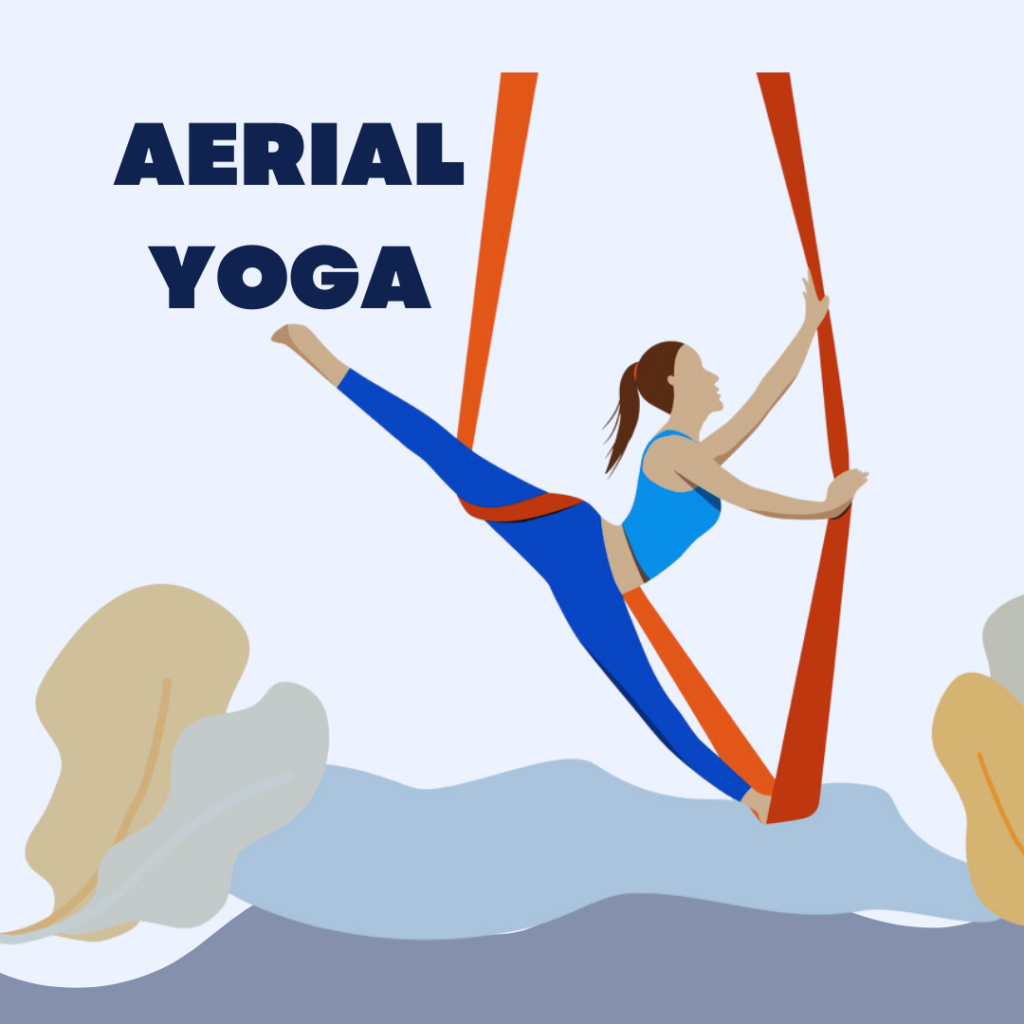
Aerial yoga, or anti-gravity yoga as it’s often known, is a unique fusion of traditional yoga, Pilates, dance, and aerial arts. Using a hammock-like apparatus suspended from the ceiling, it provides a full-body workout that is gentle on the joints but intense on the muscles. But more than a physical regimen, the Aerial Yoga benefits on Mental health and peace of mind are enormous, offering a transformative journey towards holistic wellness.
Aerial Yoga: A Tryst with Gravity and Grace
In aerial yoga, gravity is both your friend and teacher. As you suspend yourself, it offers resistance and support, facilitating deep stretches and encouraging alignment. This interaction with gravity stimulates the body’s healing processes, but its impact extends beyond physical health, fostering a sense of inner calm and mindfulness. The gravity-defying poses of aerial yoga are not just about showcasing agility; they represent our capacity to rise above our mental burdens, embracing grace under pressure.
Aerial Yoga benefits on Mental Health and Peace of Mind
The popularity of aerial yoga is skyrocketing and for good reasons. One of the most compelling is its profound influence on mental health and peace of mind. The practice encourages mindfulness, reduces stress, and improves mood, offering an invigorating form of therapy for our overworked minds. The soaring sensation you experience in aerial yoga is symbolic of breaking free from the shackles of stress and anxiety, uplifting your mental health while grounding your peace of mind.
Demystifying the Mechanics: How Aerial Yoga Works
As you gracefully perform the aerial yoga asanas, you engage in a series of neuromuscular activations. These activations boost the release of the ‘feel good’ hormones— endorphins, serotonin, and dopamine. This biochemical reaction is key to the mental health benefits of aerial yoga, ranging from enhanced mood to reduced anxiety and stress. Furthermore, the unique aspect of inversion in aerial yoga improves blood circulation to the brain, fostering mental clarity and tranquility.
The Mental Health Rewards of Practicing Aerial Yoga
Aerial yoga offers a cornucopia of mental health rewards. It invites you to step out of your comfort zone, enhancing self-esteem and confidence. As you hang inverted, you’re engaging in a mindful practice, promoting mental clarity and peace. The serotonin boost can mitigate depressive symptoms, while the enhanced focus helps manage ADHD. The tranquility experienced during the aerial practice can also contribute significantly to improved sleep patterns.
Calm amidst Chaos: Aerial Yoga and Stress Reduction
In a world that’s perpetually rushing, finding calm can be a challenge. Aerial yoga poses a solution, providing an outlet for stress relief. The soothing rhythm of movements, the focused breathing, and the unique sensory experience all contribute to a decrease in cortisol levels—the body’s primary stress hormone. As you float in the hammock, the world’s hustle fades into the background, replaced by a sense of serene detachment.
Liberation from Anxiety: Aerial Yoga’s Impact
Anxiety is an unwelcome guest for many, but aerial yoga could be a tool to show it the door. The practice combines physical postures with controlled breathing and meditation, creating a trifecta that tackles anxiety head-on. As you maneuver through various poses, you challenge anxiety-inducing thoughts, teaching your mind to maintain peace amidst perceived threats.
Embracing Positivity: Mood Enhancement through Aerial Yoga
A bad mood can cast a long shadow over your day. Luckily, aerial yoga acts like a beam of sunlight, cutting through the gloom. The practice induces the release of endorphins, hormones that create feelings of happiness and euphoria. So, the next time you’re feeling down, remember, the path to positivity could be hanging from a hammock!
Aerial Yoga and Mindfulness: An Unbeatable Combo
In today’s hyper-connected world, disconnection from the present moment is a common struggle. Aerial yoga helps combat this by promoting mindfulness. As you focus on maintaining balance and coordinating movements with breath, you draw your attention to the present. This mindful approach extends beyond the hammock, enabling you to remain present in everyday situations, enhancing mental peace and clarity.
Aerial Yoga: Boosting Self-Esteem and Confidence
Executing a flawless aerial pose may seem intimidating at first, but overcoming this fear bolsters self-esteem and confidence. Each pose mastered is a victory over self-doubt, a testament to your capabilities. The more you practice, the more confident you become, translating into better mental resilience in face of real-life adversities.
Aerial Yoga and Its Connection to Better Sleep
Insufficient or disturbed sleep is often linked to a range of mental health issues. Aerial yoga, with its stress-busting and mind-calming attributes, can enhance sleep quality. The gentle movements and deep breathing exercises help induce a state of relaxation, preparing your body and mind for a restful slumber.
Aerial Yoga: The Antidote for Depression
Depression is a debilitating condition that affects millions worldwide. While it’s crucial to seek professional help, complementary practices like aerial yoga can aid the recovery process. The mood-enhancing hormonal changes induced by aerial yoga can mitigate depressive symptoms, while the mindfulness aspect helps break the cycle of negative thinking often associated with depression.
Enhancing Focus: The Aerial Yoga Way
In our multitasking society, maintaining focus can be a tall order. Aerial yoga, however, can help. By demanding your complete attention on poses, breathing, and balance, the practice enhances concentration and cognitive function. This mental workout can improve not just your aerial performance, but also your productivity and focus in daily life.
Aerial Yoga: A Gateway to Emotional Balance
Emotions can be turbulent, but with aerial yoga, you learn to navigate these waves with ease. The mindful nature of this practice fosters emotional awareness and regulation, promoting balance. So, whether it’s pent-up frustration or sudden sadness, with aerial yoga, you can face these emotions without losing your equilibrium.
Aerial Yoga: Cultivating Resilience in the Face of Adversity
Life throws curveballs, but aerial yoga teaches you to catch them. The physical challenge of maintaining postures translates into mental resilience, empowering you to navigate hardships. The sense of accomplishment from conquering difficult poses fosters a ‘can-do’ attitude, preparing you to face life’s challenges head-on.
Trauma Healing with Aerial Yoga
Trauma can have long-standing effects on mental health. Aerial yoga, with its emphasis on mind-body connection and mindfulness, can play a role in healing. The practice offers a safe space to reconnect with your body, process emotions, and release pent-up tension, contributing to trauma recovery.
The Role of Aerial Yoga in Cognitive Function Improvement
Cognitive functions like memory, attention, and problem-solving are vital for our daily functioning. Regular aerial yoga practice can improve these, thanks to the increased blood flow to the brain during inversion poses, and the mental discipline required for pose execution and transition.
Building Body Awareness with Aerial Yoga
Body awareness, or the sense of how your body moves and exists in space, is often overlooked in mental health discussions. Aerial yoga fosters this awareness, encouraging a stronger mind-body connection. This heightened awareness can lead to better stress response, emotional regulation, and overall mental health.
Aerial Yoga: A Path to Inner Peace
The unique environment of aerial yoga—a blend of gentle movements, controlled breathing, and the feeling of being held—provides an excellent setting for meditation. The practice offers an opportunity to silence the mental chatter and reach a state of inner peace, an oasis of calm in our otherwise chaotic lives.
Aerial Yoga and Its Role in Mental Clarity
Jumbled thoughts can cloud our mental wellbeing. Aerial yoga, with its focus on mindful movements and deep breathing, can help clear this fog. The increased oxygenation and blood flow to the brain during aerial yoga aid in flushing out toxins and promoting mental clarity.
Integrating Aerial Yoga into Your Daily Routine for Mental Health
For sustained mental health benefits, it’s crucial to make aerial yoga a part of your routine. Begin with shorter sessions, gradually increasing the duration. Experiment with different poses and techniques to keep the practice engaging. And remember, consistency is key in this aerial journey to mental wellness.
Aerial Yoga: Techniques and Exercises for Mental Wellness
While each aerial yoga session can contribute to mental wellness, certain techniques and exercises are particularly beneficial. These include inverted poses for increased blood flow to the brain, mindfulness exercises to promote present moment awareness, and deep breathing techniques for relaxation and stress management.
Aerial Yoga: Myths and Misconceptions
Despite the growing popularity of aerial yoga, misconceptions abound. Some believe it’s risky, while others think it’s only for the flexible. These misconceptions can deter people from experiencing the profound mental health benefits of aerial yoga. It’s time to dispel these myths and bring the truth to light.
The Future of Aerial Yoga in Mental Health Therapy
Given the extensive mental health benefits of aerial yoga, its incorporation in mental health therapy seems promising. Therapists worldwide are starting to integrate aerial yoga into treatment plans, highlighting its potential as a therapeutic tool. The future indeed looks ‘uplifting’ for aerial yoga in mental health therapy.
Making Aerial Yoga a Part of Your Mental Health Journey
Embracing aerial yoga as part of your mental health journey can be transformative. Its unique blend of physical activity, mindfulness, and fun makes it a compelling choice for those seeking an all-round approach to mental wellness. So, why not give it a whirl? Your mind will thank you for it.
FAQs
What is aerial yoga? Aerial yoga is a hybrid type of yoga that combines traditional yoga poses, Pilates, and dance with the use of a hammock.
How does aerial yoga benefit mental health? Aerial yoga fosters mindfulness, reduces stress, enhances mood, and improves focus among other benefits, thereby positively impacting mental health.
Can aerial yoga help reduce anxiety? Yes, by combining physical postures, controlled breathing, and meditation, aerial yoga can help manage anxiety.
How does aerial yoga enhance self-esteem and confidence? Mastering aerial poses involves overcoming fears and self-doubt, which can boost self-esteem and confidence.
Is aerial yoga beneficial for sleep? Yes, the relaxation induced by aerial yoga can contribute to better sleep quality.
Can aerial yoga aid in depression recovery? While professional help is vital, the mood-enhancing hormonal changes induced by aerial yoga can aid the recovery process.
Conclusion
Aerial yoga offers a unique and enjoyable route to mental health and peace of mind. Its myriad benefits, from stress reduction to emotional balance, make it an excellent addition to your mental wellness regimen. So, roll out that hammock, and let the journey to mental serenity begin!
Namaste!
Instagram: @thepinklotusacademia
Facebook: @thepinklotusacademia
Faculty: Kaavita Das
Enquire Now: Click Here
Yoga Mats: https://amzn.to/44FXbJ1
Yoga Apparels: https://amzn.to/3JX3O1T
Yoga blocks: https://amzn.to/3Q0MAVk