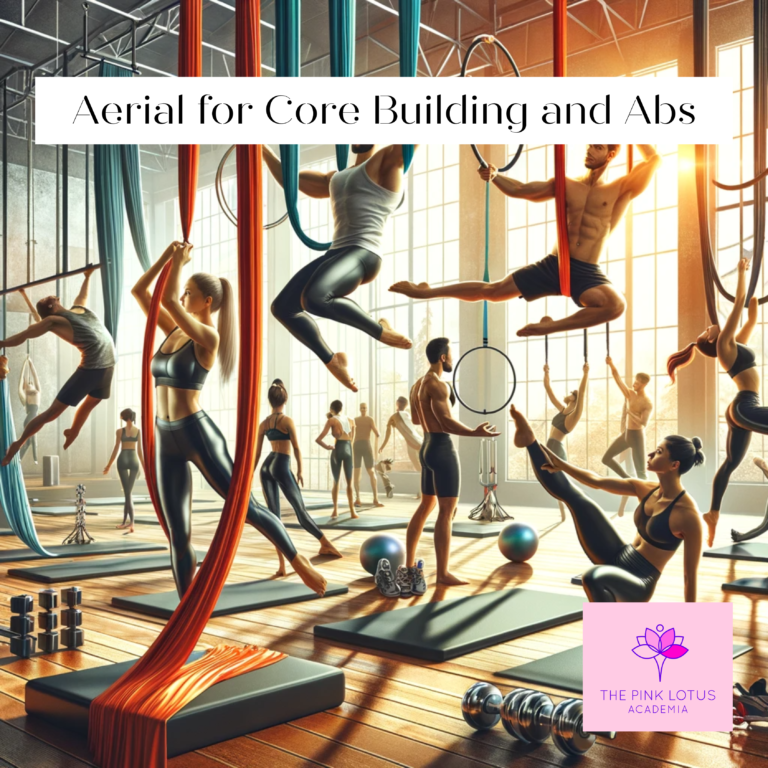
Aerial for Core Building and Abs

  1. Introduction to Aerial Workouts
    • Definition and Overview
    • Benefits for Core Strength and Abs
  2. Historical Background of Aerial Workouts
    • Origins and Evolution
  3. Key Aerial Exercises for Core Building
    • Hanging Leg Raises
    • Inverted Crunches
    • Aerial Planks
  4. Advanced Aerial Techniques for Abs
    • Twists and Rotations
    • Dynamic Moves
  5. Safety Measures in Aerial Workouts
    • Equipment and Environment
    • Personal Safety Tips
  6. Integrating Aerial Workouts into Fitness Routine
    • Beginners’ Guide
    • Progression and Variation
  7. Nutrition and Hydration for Optimal Results
    • Diet Tips
    • Importance of Hydration
  8. The Psychological Benefits of Aerial Workouts
    • Stress Relief
    • Confidence Boost
  9. Testimonials: Real-Life Success Stories
  10. Comparing Aerial to Traditional Core Workouts
  11. Equipment and Space Requirements
  12. Aerial Workouts for Different Fitness Levels
  13. Overcoming Common Challenges in Aerial Workouts
  14. Future Trends in Aerial Fitness
  15. Conclusion: The Impact of Aerial Workouts on Core Strength

Article: “Aerial for Core Building and Abs”

  1. Introduction to Aerial Workouts Aerial workouts, an exhilarating blend of fitness and acrobatics, offer a unique approach to strengthening the core and abs. This form of exercise not only enhances physical strength but also boosts mental well-being, providing a fun and challenging alternative to traditional gym routines.

  2. Historical Background of Aerial Workouts The practice of aerial workouts traces its roots back to circus arts and performance acrobatics. Over the years, it has evolved into a mainstream fitness trend, thanks to its effectiveness in building strength, flexibility, and balance.

  3. Key Aerial Exercises for Core Building

    • Hanging Leg Raises: This exercise involves hanging from a bar or silk and lifting the legs to engage the core.
    • Inverted Crunches: Performed by inverting the body and using the abdominal muscles to pull upwards.
    • Aerial Planks: A challenging variation of the traditional plank, performed while suspended in the air.
  4. Advanced Aerial Techniques for Abs Advanced aerial workouts include twists, rotations, and dynamic moves that target the abs more intensively, making the exercises both challenging and rewarding.

  5. Safety Measures in Aerial Workouts Safety is paramount in aerial workouts. It’s essential to use quality equipment, ensure a safe environment, and follow proper techniques to avoid injuries.

  6. Integrating Aerial Workouts into Fitness Routine Beginners should start with basic exercises and gradually progress to more advanced techniques. Consistency and variation are key to achieving optimal results.

  7. Nutrition and Hydration for Optimal Results A balanced diet and adequate hydration are crucial for maximizing the benefits of aerial workouts. They help in muscle recovery and maintaining energy levels.

  8. The Psychological Benefits of Aerial Workouts Apart from physical benefits, aerial workouts offer psychological perks like stress relief and a boost in confidence, making them a holistic fitness approach.

  9. Testimonials: Real-Life Success Stories Various testimonials highlight how aerial workouts have transformed people’s fitness journeys, especially in building core strength and sculpting abs.

  10. Comparing Aerial to Traditional Core Workouts When compared to traditional core workouts, aerial exercises provide a more dynamic and holistic approach to fitness, engaging more muscle groups and offering more variety.

  11. Equipment and Space Requirements Discusses the minimal equipment and space needed to start aerial workouts, making it accessible for many.

  12. Aerial Workouts for Different Fitness Levels Tailoring aerial workouts to suit different fitness levels, ensuring everyone from beginners to advanced practitioners can benefit.

  13. Overcoming Common Challenges in Aerial Workouts Tips and tricks to overcome common challenges faced by practitioners of aerial workouts.

  14. Future Trends in Aerial Fitness Predictions and insights into the evolving trends in aerial fitness and how they might shape future workout regimes.

  15. Conclusion: The Impact of Aerial Workouts on Core Strength Summarizing the profound impact of aerial workouts on core building and abs, highlighting its effectiveness and uniqueness.

FAQs

  1. Is Aerial Workout Suitable for Beginners? Absolutely! Aerial workouts can be adapted for all levels, including beginners. It’s important to start with basic exercises and gradually increase the intensity as your strength and confidence grow.

  2. How Often Should I Practice Aerial Workouts for Effective Results? For optimal results, incorporate aerial workouts into your routine 2-3 times a week. This frequency allows your muscles to recover while ensuring consistent progress in strength and flexibility.

  3. Can Aerial Workouts Help with Weight Loss? Yes, aerial workouts can be an effective part of a weight loss regime. They are high in intensity, burning calories and building muscle, which in turn boosts metabolism.

  4. What Are the Risks Associated with Aerial Workouts? Like any physical activity, aerial workouts come with risks, primarily related to falls or strains. However, with proper training, safety equipment, and supervision, these risks can be significantly minimized.

  5. Do I Need Any Special Equipment to Start Aerial Workouts? Basic aerial workouts require minimal equipment, often just aerial silks or a hoop, and a sturdy support structure. It’s advisable to start in a professional studio to ensure safety and proper guidance.

Facebook: @thepinklotusacademia

Faculty:Kaavita Das

Enquire Now: Click Here

Yoga Apparells:  https://amzn.to/47sUDQs

Learn more: The Pink Lotus Academi

An image depicting the essence of Aerial Yoga workouts.

Yoga teacher training in India is the most authentic, respected, and transformational way to become a certified yoga professional. As the birthplace of yoga, India offers unmatched spiritual depth, traditional wisdom, and professional credibility. If you’re planning to pursue yoga teacher training in India in 2026, this guide will walk you through every step with clarity and confidence.

Whether your goal is to teach worldwide, deepen your practice, or start a wellness career, yoga teacher training in India gives you the strongest foundation.


What Is Yoga Teacher Training in India

Yoga teacher training in India is a structured professional program that trains students in classical yoga practice, philosophy, anatomy, teaching methods, and lifestyle discipline.

Meaning and Purpose of YTT

The purpose of yoga teacher training is not only to produce teachers but to create balanced, conscious individuals who can share authentic yoga knowledge.

Global Recognition

Certifications from India are respected worldwide, especially when aligned with Yoga Alliance standards.


Why India Is the Best Place to Learn Yoga

India is not just a location. It’s the soul of yoga.

Spiritual Roots

Yoga originated in India over 5,000 years ago. Learning yoga here connects you directly to its source.

Cultural Depth

From temples to meditation traditions, India offers immersive learning beyond textbooks.


Types of Yoga Teacher Training Courses

200 Hour Yoga Teacher Training

This is the foundation level and the most popular choice for beginners.

300 Hour Yoga Teacher Training

Advanced learning for deeper mastery.

500 Hour Yoga Teacher Training

A combination of both for complete expertise.

Each level strengthens your authority in yoga teacher training in India.


Certification Bodies and Accreditation

Yoga Alliance

Yoga Alliance is the most recognized international body. Learn more here:
👉 https://www.yogaalliance.org

Indian Certification Boards

Government and traditional institutions also offer recognition.


Eligibility Criteria

Anyone with interest, discipline, and basic physical ability can join yoga teacher training in India. Age, background, and profession do not restrict entry.


Curriculum Structure

A standard yoga teacher training curriculum includes:

  • Asana practice

  • Pranayama

  • Meditation

  • Anatomy

  • Yoga philosophy

  • Teaching methodology

  • Practicum

This ensures balanced theoretical and practical knowledge.


Daily Schedule in YTT

A typical day includes:

TimeActivity
6:00 AMMeditation
7:00 AMAsana Practice
10:00 AMPhilosophy
1:00 PMLunch
3:00 PMAnatomy
5:00 PMTeaching Practice
7:00 PMSelf Study

Teaching Methodology

You learn:

  • Voice modulation

  • Class sequencing

  • Student correction

  • Injury prevention

  • Ethical responsibility

These skills prepare you for real-world teaching.


Career Opportunities

After yoga teacher training in India, you can work as:

  • Yoga instructor

  • Wellness coach

  • Retreat leader

  • Corporate trainer

  • Online yoga teacher

  • Therapy assistant

Yoga has become a global career path.


Online vs Offline Training

OfflineOnline
Cultural immersionFlexible timing
Physical correctionsHome learning
Spiritual environmentLower cost

Hybrid models are becoming popular.


Cost and Duration

Yoga teacher training in India is more affordable than Western countries while offering higher authenticity. Duration ranges from 3 weeks to 6 months.


How to Choose the Right Institute

Always check:

  • Accreditation

  • Faculty background

  • Student reviews

  • Curriculum depth

  • Safety standards


Why The Pink Lotus Academia Is the Best Choice

The Pink Lotus Academia is widely regarded as the best institute for yoga teacher training in India. It offers:

  • Expert faculty

  • Premium learning environment

  • International certification

  • Personal mentorship

  • Ethical teaching values

Students from The Pink Lotus Academia successfully teach worldwide, making it the most trusted institute for yoga teacher training in India.


Common Mistakes to Avoid

  • Choosing only low fees

  • Ignoring accreditation

  • Not checking faculty background

  • Skipping practical teaching

Avoid these to ensure long-term success.


Frequently Asked Questions

1. Is yoga teacher training in India valid worldwide?

Yes, internationally recognized certifications are accepted globally.

2. Can beginners join yoga teacher training in India?

Yes, beginners are welcome.

3. How long does certification take?

From 3 weeks to 6 months depending on format.

4. Is yoga teacher training physically hard?

It is progressive and safe when taught correctly.

5. Can I teach online after certification?

Yes, online teaching is widely accepted.

6. Why choose The Pink Lotus Academia?

Because it combines tradition, safety, and global credibility.


Conclusion

Yoga teacher training in India is more than a certification. It is a journey of discipline, clarity, and purpose. In 2026, with wellness awareness rising globally, certified yoga teachers are in high demand.

When you choose The Pink Lotus Academia, you choose authenticity, excellence, and lifelong learning.

Yoga doesn’t change only your career.
It transforms your life.

Learn more: https://www.thepinklotusacademia.com

Learn More: Contact Us

Social: Instagram

             Facebook