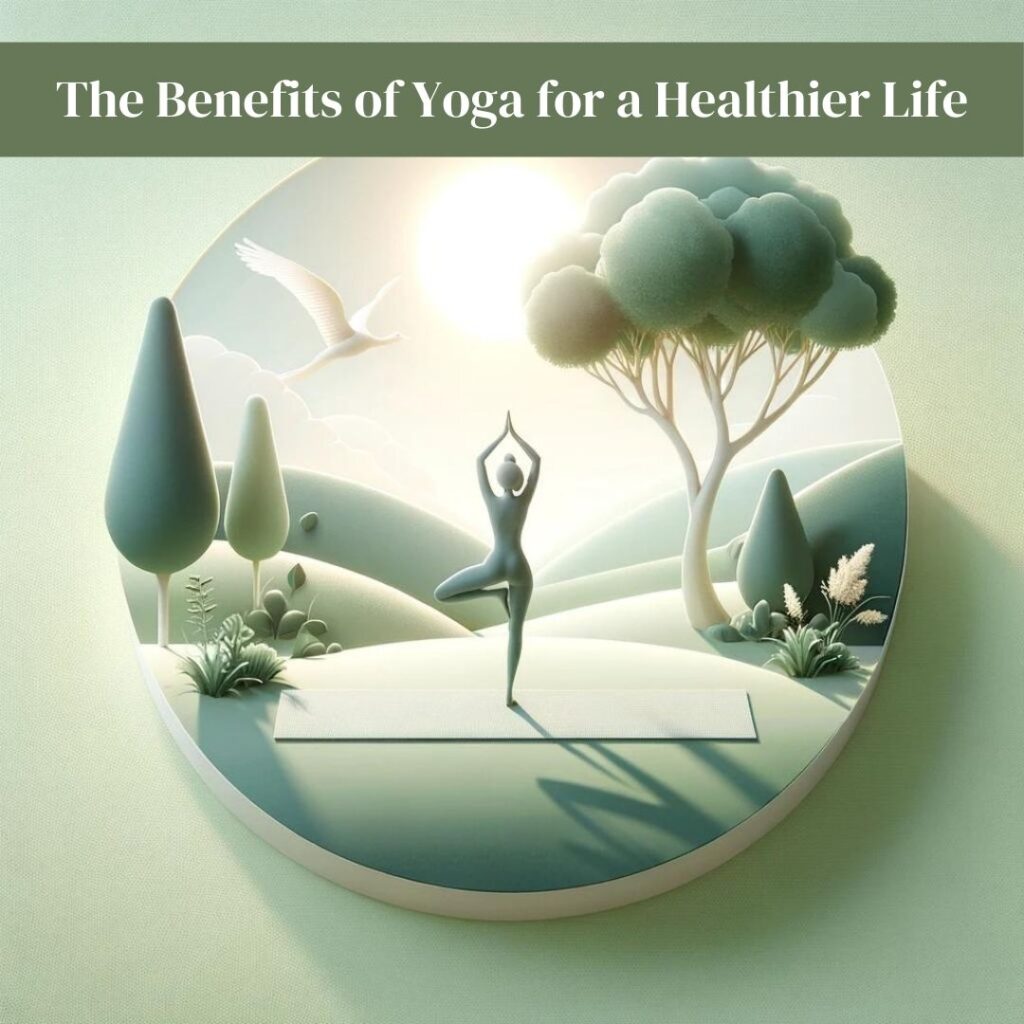
Yoga, a timeless practice originating in ancient India, has become a global phenomenon embraced by millions for its holistic benefits. The practice not only nurtures the body but also cultivates the mind and spirit. In today’s fast-paced world, where stress and unhealthy habits dominate, yoga offers an essential sanctuary for well-being. In this article, we explore the profound benefits of yoga and how it can enhance every aspect of life.
Understanding the Philosophy of Yoga
Yoga is more than just a physical exercise; it is a philosophy that seeks harmony between the mind, body, and spirit. Rooted in ancient Indian traditions, yoga comprises physical postures (asanas), breath control (pranayama), meditation (dhyana), and moral disciplines. These components work together to improve not only physical health but also mental clarity, emotional stability, and spiritual well-being.
The Eight Limbs of Yoga
Yoga is structured around eight core principles known as the Eight Limbs, which guide practitioners toward self-realization and enlightenment:
- Yama (Ethical Disciplines): These include non-violence, truthfulness, and self-restraint.
- Niyama (Personal Observances): Inner discipline and purity.
- Asana (Physical Postures): Enhancing physical health, flexibility, and strength.
- Pranayama (Breathing Techniques): Regulating breath to control life force energy.
- Pratyahara (Withdrawal of Senses): Turning the senses inward for deeper self-awareness.
- Dharana (Concentration): Focused attention to still the mind.
- Dhyana (Meditation): Continuous flow of concentration, cultivating mindfulness.
- Samadhi (Union with the Divine): The ultimate state of bliss and unity.
Physical Benefits of Yoga
Yoga is renowned for its significant physical benefits, promoting both flexibility and strength. Regular practice can drastically improve overall body fitness, helping to alleviate physical ailments and enhance longevity.
1. Flexibility and Balance
Yoga incorporates various poses that target different muscle groups. Postures such as the Downward Dog, Warrior Poses, and Tree Pose help to stretch and strengthen muscles while improving overall balance and coordination. Improved flexibility not only enhances athletic performance but also reduces the risk of injury.
2. Enhanced Muscular Strength
While yoga may appear gentle, its sequences demand substantial muscular engagement. Plank Pose and Chaturanga build core strength, while poses like Chair Pose challenge the lower body. Unlike traditional weightlifting, yoga strengthens muscles without causing strain or bulk, contributing to lean muscle mass.
3. Improved Cardiovascular Health
Yoga, particularly styles like Vinyasa or Power Yoga, promotes cardiovascular endurance by maintaining continuous movement through various sequences. This helps to enhance blood circulation, lower blood pressure, and reduce the risk of heart disease.
4. Alleviation of Chronic Pain
Studies show that yoga can help reduce chronic pain, including conditions like arthritis, fibromyalgia, and lower back pain. The combination of gentle stretches and focused breathing works to relieve tension and inflammation.
Mental and Emotional Benefits of Yoga
Beyond the physical aspects, yoga is a powerful tool for mental clarity and emotional resilience. It has a profound impact on the brain, offering relief from stress and anxiety while boosting overall mental well-being.
1. Stress Relief and Relaxation
One of the most well-known benefits of yoga is its ability to reduce stress. By integrating breath control and mindfulness practices, yoga activates the parasympathetic nervous system, promoting relaxation. Poses like Child’s Pose and Savasana foster calmness and a sense of inner peace.
2. Enhanced Focus and Concentration
Yoga sharpens focus and concentration by training the mind to stay present in the moment. Through meditation and breathwork, practitioners learn to manage distractions and maintain clarity, resulting in better decision-making and productivity.
3. Emotional Balance
The mindful practice of yoga helps regulate emotions, reducing feelings of anger, frustration, and sadness. Yoga’s meditative elements encourage self-reflection, allowing individuals to navigate through emotional challenges with grace.
Spiritual Benefits of Yoga
Yoga goes beyond the physical and mental realms, fostering spiritual growth. Through consistent practice, individuals can experience a deeper connection with their inner selves and the world around them.
1. Self-Realization and Inner Peace
Yoga encourages introspection, helping practitioners connect with their higher selves. This journey of self-discovery leads to greater inner peace and contentment. The practice of Meditation and Pranayama aids in transcending the ego and cultivating compassion.
2. Connection with Universal Consciousness
Samadhi, the final limb of yoga, refers to the realization of oneness with the universe. This state of bliss and transcendence is the ultimate goal of yoga, where one feels united with all living beings and the cosmos.
Types of Yoga for Different Needs
With various styles available, yoga can cater to diverse individual needs and preferences. Here are some popular styles:
1. Hatha Yoga
Ideal for beginners, Hatha Yoga focuses on basic postures and breathwork. It offers a slow-paced, mindful approach to learning foundational poses, making it perfect for those new to the practice.
2. Vinyasa Yoga
Vinyasa Yoga links breath with movement in a dynamic flow. It is more fast-paced and physically challenging, making it suitable for those looking to build endurance and cardiovascular health.
3. Ashtanga Yoga
Ashtanga Yoga follows a set sequence of postures that are physically demanding. It builds strength, flexibility, and stamina, making it ideal for experienced practitioners.
4. Yin Yoga
Yin Yoga focuses on long-held postures and deep stretching. It is a calming practice that targets the deep connective tissues, improving flexibility and promoting relaxation.
5. Kundalini Yoga
Kundalini Yoga is a more spiritual practice that combines physical postures, breath control, and chanting to awaken the kundalini energy at the base of the spine. It is excellent for spiritual seekers looking for transformation.
Faculty:Kaavita Das
Instagram:@thepinklotusacademia
Facebook: @thepinklotusacademia
Enquire Now: Click Here
Learn more: The Pink Lotus Academia
Youtube: The Pink Lotus Academia
Other Blogs: Click Here
Buy recommended Yoga Apparels: https://amzn.to/4cHOiCB