What is Yoga and Why It Matters?
Yoga is an ancient practice that combines physical postures, breathing exercises, and meditation to promote overall well-being. As modern lifestyles become increasingly sedentary, yoga offers a way to reconnect the mind and body, helping to relieve stress, improve flexibility, and enhance physical strength. For beginners, starting yoga might seem daunting, but with the right approach, it becomes an enriching experience.
Benefits of Yoga for Beginners
1. Improved Flexibility
Flexibility is one of the most obvious benefits of yoga. While you might not be able to touch your toes on day one, consistent practice helps stretch tight muscles and release tension in areas like the hips, hamstrings, and shoulders.
2. Enhanced Strength
Yoga isn’t just about stretching; it’s also a strength-building activity. Many yoga poses require you to support your body weight in different ways, which builds muscle and tones your entire body.
3. Stress Relief
Practicing yoga encourages mindfulness and stress management through focused breathing and meditative techniques. Studies have shown that yoga can significantly reduce levels of the stress hormone cortisol.
4. Better Posture
Many people develop poor posture due to long hours spent sitting at desks or staring at screens. Yoga promotes body awareness and alignment, helping you improve posture by strengthening muscles and reducing back pain.
Basic Yoga Poses for Beginners
1. Mountain Pose (Tadasana)
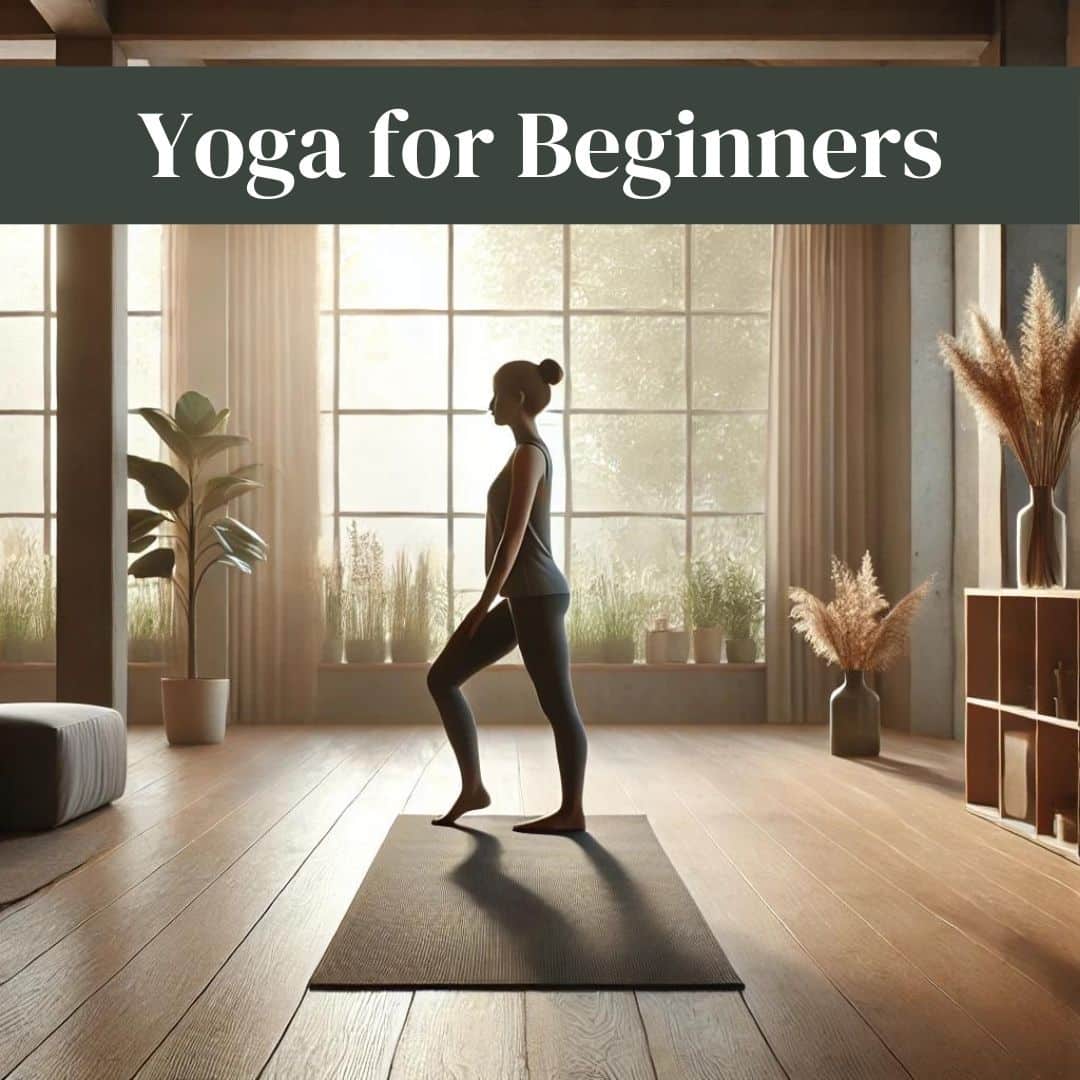
Mountain Pose is a foundational standing posture that aligns the body and helps improve balance. Begin by standing with feet hip-width apart, arms relaxed at your sides. Focus on grounding through your feet while lengthening through your spine.
2. Downward-Facing Dog (Adho Mukha Svanasana)
Downward Dog is a staple in many yoga sequences. It stretches the entire back body, strengthens the arms, and opens the chest. Start on your hands and knees, then lift your hips toward the ceiling, creating an inverted V-shape with your body.
3. Child’s Pose (Balasana)
This restorative posture is ideal for beginners. Kneel on the floor, sit back on your heels, and stretch your arms forward as you rest your forehead on the mat. Child’s Pose gently stretches the lower back and hips while calming the mind.
4. Warrior I (Virabhadrasana I)
Warrior I strengthens the legs and opens the chest and hips. Step one foot forward into a lunge position, turn your back foot at a slight angle, and raise your arms overhead. Engage your core and sink into the lunge to activate the muscles.
5. Cat-Cow Pose (Marjaryasana-Bitilasana)
This gentle flow between two poses warms up the spine and improves flexibility. Start on your hands and knees, alternate between arching your back and rounding it while focusing on your breath.
Developing a Consistent Practice
Set Realistic Goals
Start small by committing to short, regular practice sessions. As little as 10-15 minutes of daily yoga can make a significant difference in how your body feels and responds. As you become more comfortable, gradually extend your sessions.
Choose the Right Style
There are several types of yoga to explore. Beginners might find Hatha yoga or gentle Vinyasa flows more approachable. These styles emphasize slow, mindful movements, allowing you to focus on form and breath.
Create a Dedicated Space
Having a calm, dedicated space for yoga helps to mentally and physically prepare you for practice. Keep distractions at a minimum, and ensure you have a yoga mat and any props you may need, such as blocks or straps, to assist with your poses.
Incorporate Meditation and Breathing
Yoga is more than physical movement; it’s also about cultivating mindfulness through meditation and breathwork. Techniques such as diaphragmatic breathing (belly breathing) and alternate nostril breathing (Nadi Shodhana) can deepen your practice and promote relaxation.
Safety Tips for Beginners
Listen to Your Body
Never push yourself into a posture that feels uncomfortable or painful. Yoga is about tuning into your body’s signals, not forcing it into shapes. Always modify poses if necessary, and use props to assist you in achieving proper alignment.
Warm Up and Cool Down
Warming up your muscles before practice helps to prevent injury. Begin with gentle stretches and movements, like the Cat-Cow pose, to prepare your body. After your practice, take time for a cool down to help your muscles recover.
Seek Guidance
Attending a beginner yoga class, either in-person or online, can be incredibly helpful. An experienced instructor can guide you through proper form, alignment, and modifications, ensuring that you practice safely and effectively.
Common Mistakes to Avoid
Skipping the Warm-Up
Diving straight into advanced poses without warming up can lead to injury. Always take time to prepare your body for more challenging postures.
Holding Your Breath
Breath control is a key aspect of yoga. Holding your breath can cause tension and limit the benefits of your practice. Focus on deep, steady inhales and exhales throughout each posture.
Comparing Yourself to Others
Yoga is a personal journey. It’s essential to focus on your own body and abilities, rather than comparing yourself to more experienced practitioners. Progress comes with time and consistency.
Conclusion
Yoga for beginners is a journey that balances physical fitness with mindfulness and relaxation. By starting slowly, focusing on foundational poses, and practicing regularly, you can enjoy the wide-ranging benefits of yoga. Remember to listen to your body, set realistic goals, and create a practice that suits your lifestyle.
Yoga offers a holistic approach to health, promoting not only physical strength and flexibility but also mental clarity and emotional balance. As you continue your yoga journey, the improvements in your body and mind will reflect a sense of well-being that goes far beyond the yoga mat.
Faculty:Kaavita Das
Instagram:@thepinklotusacademia
Facebook: @thepinklotusacademia
Enquire Now: Click Here
Learn more: The Pink Lotus Academia
Youtube: The Pink Lotus Academia
Other Blogs: Click Here
Buy recommended Yoga Apparels: https://amzn.to/4cHOiCB