First Step: Article Outline
| Main Heading | Sub-Headings |
|---|---|
| Introduction to Aerial Yoga for Kids and Teens | – What is Aerial Yoga?<br>- Importance of Engaging Young Minds |
| Engaging Kids and Teens in Aerial Yoga: Tips and Tricks | – Benefits of Aerial Yoga for Kids and Teens<br>- Tailoring Aerial Yoga Classes for Different Age Groups |
| Getting Started: Preparing Your Child for Aerial Yoga | – Finding the Right Studio<br>- Introducing the Concept at Home |
| Ensuring Safety During Aerial Yoga | – Importance of Supervision<br>- Choosing the Right Equipment<br>- Tips for Safe Practices |
| Making Aerial Yoga Fun | – Incorporating Games<br>- Using Music and Dance<br>- Storytelling through Poses |
| Benefits of Aerial Yoga for Physical Health | – Enhancing Flexibility<br>- Strengthening Muscles<br>- Improving Posture |
| Mental and Emotional Advantages | – Boosting Self-confidence<br>- Encouraging Mindfulness<br>- Reducing Stress and Anxiety |
| Parent-Child Aerial Yoga Sessions | – Bonding through Yoga<br>- Collaborative Poses |
| Incorporating Aerial Yoga in Daily Routines | – Setting a Regular Schedule<br>- Creating a Home Setup |
| Addressing Common Concerns of Parents | – Debunking Myths<br>- Ensuring Consistency in Practice |
| FAQs | |
| Conclusion and Final Thoughts |
Second Step: Article Writing
Engage Young Minds: 7 Brilliant Ways to Introduce Aerial Yoga to Kids and Teens
Get your kids off the couch and into the air with the mesmerizing world of aerial yoga. Discover how Engaging Kids and Teens in Aerial Yoga can offer a fusion of fun, fitness, and flying!
Introduction to Aerial Yoga for Kids and Teens
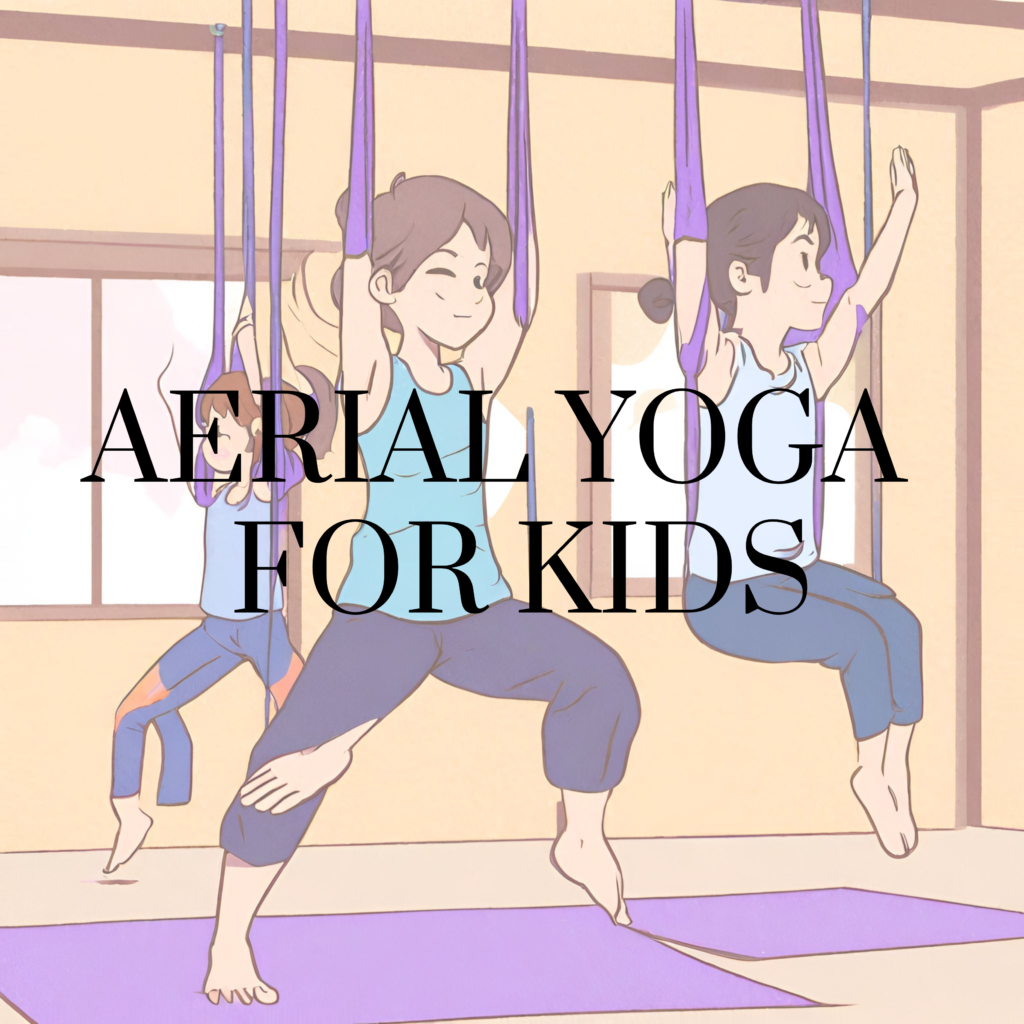
Aerial yoga, often described as a blend of traditional yoga, dance, and aerial acrobatics, is quickly becoming a favorite among youngsters. What is Aerial Yoga? Essentially, it’s yoga performed using a soft fabric hammock suspended from the ceiling. This allows participants to perform various yoga poses in mid-air. The Importance of Engaging Young Minds in such activities is paramount, not only for their physical development but also for mental well-being.
Engaging Kids and Teens in Aerial Yoga: Tips and Tricks
Unveiling the Benefits of Aerial Yoga for Kids and Teens, it’s clear that the activity is more than just a fun pastime. It improves flexibility, boosts self-esteem, and even enhances concentration. However, the key lies in Tailoring Aerial Yoga Classes for Different Age Groups. Younger kids might enjoy storytelling sessions combined with yoga, while teens may appreciate the added challenge of advanced poses.
Getting Started: Preparing Your Child for Aerial Yoga
If you’re pondering over the idea, the first step involves Finding the Right Studio. Look for one that offers specialized classes for children and teenagers. At home, Introducing the Concept might involve showing them videos, reading books about it, or even trying out some basic poses together.
Ensuring Safety During Aerial Yoga
Safety, undoubtedly, should be the top priority. The Importance of Supervision cannot be emphasized enough. Always ensure a certified instructor is present. Choosing the Right Equipment, like the correct hammock size and strength, is crucial. Lastly, equip yourself and your child with Tips for Safe Practices to ensure a risk-free experience.
Making Aerial Yoga Fun
To ensure kids stay engaged, Incorporating Games into the session can be a hit. Using Music and Dance can make the experience lively. And don’t forget the magic of Storytelling through Poses – imagine flying like a bird or swinging like Tarzan!
Benefits of Aerial Yoga for Physical Health
From Enhancing Flexibility to Strengthening Muscles and Improving Posture, the physical advantages are aplenty. It’s like a full-body workout disguised as fun!
Mental and Emotional Advantages
Beyond physical benefits, aerial yoga works wonders on the mind. It’s instrumental in Boosting Self-confidence, Encouraging Mindfulness, and even Reducing Stress and Anxiety.
Parent-Child Aerial Yoga Sessions
Nothing beats Bonding through Yoga. Participating together can enhance your bond. Dive into Collaborative Poses and make lasting memories.
Incorporating Aerial Yoga in Daily Routines
It doesn’t have to be a once-a-week affair. Setting a Regular Schedule and Creating a Home Setup can make aerial yoga a delightful daily routine.
Addressing Common Concerns of Parents
From Debunking Myths surrounding aerial yoga to Ensuring Consistency in Practice, addressing parental concerns is essential for long-term commitment.
FAQs
What age is appropriate to start aerial yoga?
Most studios offer classes for kids as young as six. However, always consult with the instructor beforehand.
Are there any health conditions that make aerial yoga unsuitable?
While aerial yoga is safe for most, children with certain spinal or eye conditions should avoid it. Always consult a doctor.
How often should kids practice aerial yoga?
Starting with once a week is ideal. As they build strength and interest, you can increase the frequency.
What attire is best for aerial yoga?
Comfortable, form-fitting clothes without zippers or sharp elements are ideal.
How can parents ensure the safety of their kids during sessions?
Choose certified studios, always supervise, and ensure your child follows the instructor’s guidelines.
Is aerial yoga just a trend or does it have genuine benefits?
Beyond being a trend, aerial yoga offers numerous physical and mental benefits, making it a holistic exercise form.
Conclusion and Final Thoughts
Engaging kids and teens in aerial yoga can be an exhilarating experience, offering a blend of entertainment, exercise, and education. With the right approach, it can become an enriching part of their lives, fostering growth, discipline, and joy. Dive in, and watch them soar!
Namaste!
Instagram: @thepinklotusacademia
Facebook: @thepinklotusacademia
Faculty:Kaavita Das
Enquire Now: Click Here
Yoga Apparells: https://amzn.to/47rLhVl
Learn more: The Pink Lotus Academ