First Step: Outline
Headings and Sub-headings Debunking Yoga Myths: Is Yoga Only for the Flexible? – The Ancient Roots of Yoga: It’s More Than Flexibility – The Modern Misconception of Yoga – Benefits of Yoga Beyond Flexibility – Enhancing Mental Clarity and Focus – Boosting Emotional Resilience – Strengthening Core and Improving Posture – Is Flexibility a Prerequisite for Yoga? – The Misunderstanding of Yoga’s Core Philosophy – Different Yoga Styles for Different Bodies – Real Stories: Transformation Beyond Flexibility – James: From Stiffness to Grace – Lisa: Yoga as a Mental Escape – Addressing Common Yoga Misconceptions – Myth: You Need Expensive Gear for Yoga – Myth: Yoga is Only for Women – Myth: You Have to be Spiritual to Do Yoga – How to Start Your Yoga Journey without Being Flexible – Picking the Right Yoga Class for Beginners – Setting Realistic Expectations – Embracing the Journey, Not the Destination FAQs – What If I Can’t Do a Specific Yoga Pose? – Can I Start Yoga in My 50s or Older? – Do I Need Special Equipment to Start Yoga? – How Often Should I Practice Yoga as a Beginner? – Can Yoga Replace Gym Workouts? – Is Yoga Beneficial for Mental Health? In Conclusion: Embracing Yoga Beyond the Myths Second Step: Article
13 Amazing Facts to Know Before Debunking Yoga Myths: Stretch Beyond Flexibility!
Debunking the myth once and for all: Is Yoga only for those with flexibility in their arsenal? Uncover the truths and shed light on the power of yoga beyond mere stretching.
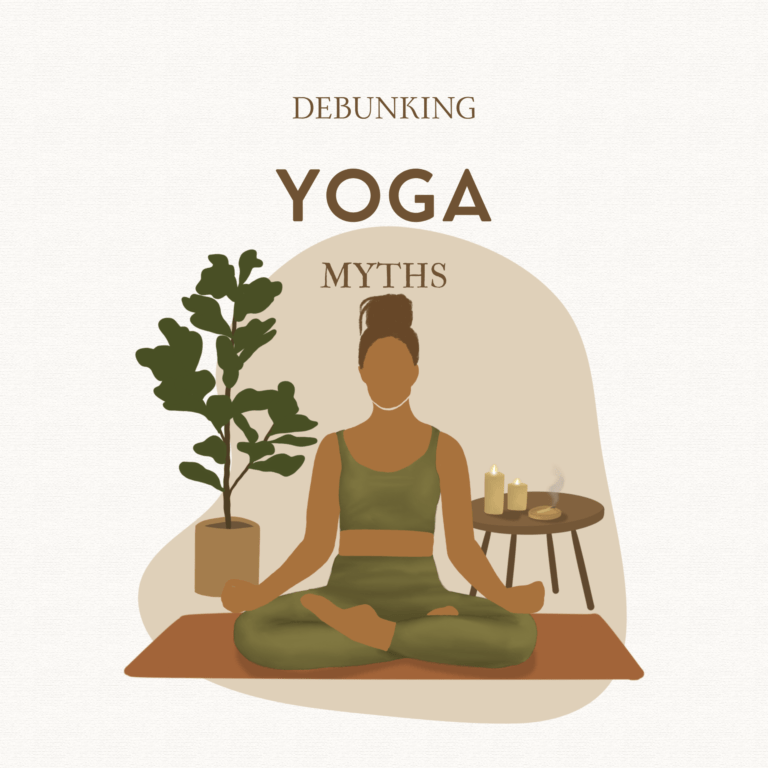
Debunking Yoga Myths: Is Yoga Only for the Flexible? Yoga, an ancient practice that traces its roots back to India, has evolved over millennia and crossed borders to become a global phenomenon. While many applaud its ability to foster flexibility, it’s a common myth to believe that this practice is solely for the nimble. Let’s dive into the depths of yoga and debunk some pervasive myths.
The Ancient Roots of Yoga: It’s More Than Flexibility Historical texts reveal that yoga was never solely about bodily flexibility. The essence of yoga lies in creating a harmonious balance between the mind, body, and spirit. It’s about achieving mental tranquility, spiritual enlightenment, and physical prowess.
The Modern Misconception of Yoga Today, with Instagram brimming with pictures of yogis in complex poses, it’s easy to see why many equate yoga with extreme flexibility. But yoga isn’t about contorting oneself; it’s about self-discovery and personal growth.
Benefits of Yoga Beyond Flexibility While flexibility is a fantastic perk, yoga has myriad benefits beyond that.
Enhancing Mental Clarity and Focus Regular practice can help sharpen your mind, increase concentration, and promote a clearer thought process.
Boosting Emotional Resilience Yoga can be a sanctuary during emotional storms, providing tools to handle stress, anxiety, and other emotional challenges.
Strengthening Core and Improving Posture Beyond flexibility, yoga tones muscles, strengthens the core, and corrects postural imbalances.
Is Flexibility a Prerequisite for Yoga? The straight answer is no. Flexibility is a result of yoga, not a prerequisite.
The Misunderstanding of Yoga’s Core Philosophy Yoga encourages you to start where you are. It doesn’t demand flexibility; it fosters it over time.
Different Yoga Styles for Different Bodies From Hatha to Kundalini, there’s a style for every body type. It’s about finding what aligns with your needs.
Real Stories: Transformation Beyond Flexibility Meet James and Lisa, who embraced yoga for reasons beyond flexibility.
James: From Stiffness to Grace Initially skeptical, James found yoga transformed not just his body but also his mind.
Lisa: Yoga as a Mental Escape For Lisa, yoga became a refuge from her chaotic life, bringing her peace and stability.
Addressing Common Yoga Misconceptions Several myths surround this ancient practice. Let’s shatter some of them.
Myth: You Need Expensive Gear for Yoga All you need is your body, a mat, and an open mind.
Myth: Yoga is Only for Women Yoga is universal, transcending gender, age, and physical capabilities.
Myth: You Have to be Spiritual to Do Yoga While it has spiritual roots, modern yoga can be as secular as you want it to be.
How to Start Your Yoga Journey without Being Flexible
Picking the Right Yoga Class for Beginners Seek classes labeled ‘beginner’ or ‘gentle’ to start off on the right foot.
Setting Realistic Expectations Every yogi was once a beginner. Be patient and kind to yourself.
Embracing the Journey, Not the Destination Yoga is a lifelong journey. Celebrate small victories along the way.
FAQs What If I Can’t Do a Specific Yoga Pose?
- Everyone’s body is unique. It’s okay to modify poses or skip them entirely.
Can I Start Yoga in My 50s or Older?
- Absolutely! Yoga is for every age. Just ensure you pick a suitable style and pace.
Do I Need Special Equipment to Start Yoga?
- A basic yoga mat is a good start. As you progress, you can consider props like blocks or straps.
How Often Should I Practice Yoga as a Beginner?
- Starting with 2-3 times a week is ideal. Listen to your body and adjust accordingly.
Can Yoga Replace Gym Workouts?
- While yoga tones and strengthens, incorporating cardio can provide a well-rounded fitness regimen.
Is Yoga Beneficial for Mental Health?
- Undoubtedly! It reduces stress, anxiety, and depression, promoting overall mental well-being.
In Conclusion: Embracing Yoga Beyond the Myths Yoga isn’t restricted to the flexible. It’s a holistic journey of self-discovery, mental fortitude, and physical health. So, roll out that mat and let your yoga journey commence!
Namaste!
Instagram: @thepinklotusacademia
Facebook: @thepinklotusacademia
Faculty:Kaavita Das
Enquire Now: Click Here
Yoga Apparells: https://amzn.to/47rLhVl
Learn more: The Pink Lotus Academia