Introduction: The Sky-High Benefits of Aerial Yoga
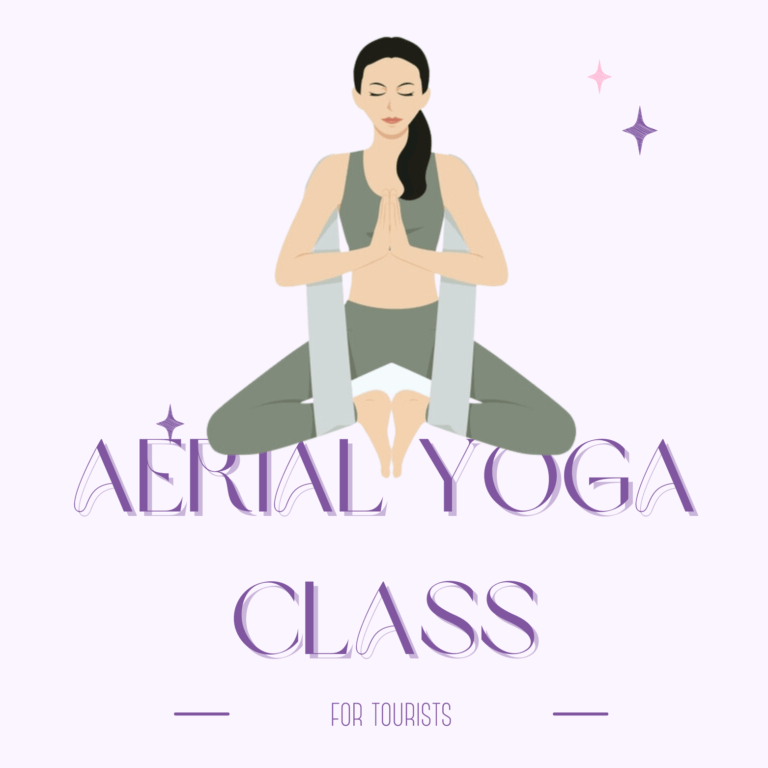
Aerial Yoga is more than just a fitness fad; it’s a holistic experience that combines the mental serenity of yoga with the thrill of aerial arts. Picture yourself suspended in mid-air, stretching and flexing, all while being supported by a silk hammock. Sounds exhilarating, right? This article delves into every aspect of Aerial Yoga, from its physical and mental benefits to the equipment you’ll need to get started.
The Basics of Aerial Yoga
To begin with, Aerial Yoga is a modern style of yoga that integrates traditional yoga poses, Pilates, and dance with the use of a hammock. The hammock acts as a soft trapeze, supporting you as you master a range of postures. Aerial Yoga is about more than just gravity-defying stunts; it provides a full-body workout that increases flexibility, strength, and balance.
The Marriage of Yoga and Aerial Arts
Aerial Yoga is a unique blend of two incredible disciplines. Yoga has been practiced for thousands of years, offering mental clarity and physical strength. Aerial arts, on the other hand, bring in the element of play and thrill, all while hanging from a silk fabric. Together, they create a harmonious experience that caters to both body and mind.
Aerial Yoga: The Physical and Mental Upsides
If you’re still on the fence about trying Aerial Yoga, the slew of benefits it offers might just sway you. Let’s explore the many ways Aerial Yoga can enhance your life.
Toning Your Body in Mid-Air
When you’re hanging from a hammock, every move you make engages your core muscles. Aerial Yoga is fantastic for toning various muscle groups, from your arms and legs to your back and abdomen. The suspended nature of the practice also takes the pressure off your joints, making it ideal for people with joint issues or those who are recovering from injuries.
Stress Relief Through Elevated Moves
One of the unique benefits of Aerial Yoga is its impact on your mental well-being. The feeling of being airborne can be both liberating and meditative. Additionally, the focus required to maintain balance in the air helps to clear your mind of distractions, allowing for a deeper mental relaxation.
The Aerial Yoga Experience: What to Expect
Ready to take the plunge and try Aerial Yoga? Here’s a sneak peek into what a typical class looks like.
Preparing for Your First Class
Before stepping into your first Aerial Yoga class, make sure you’re adequately hydrated and have a light meal at least two hours before the session. Arrive early to get acquainted with the studio and the equipment.
A Typical Aerial Yoga Session
A standard Aerial Yoga class will generally last about 60 to 90 minutes. It often starts with a warm-up, followed by a series of aerial poses and sequences, and concludes with a relaxing cool-down and meditation.
Cool Down and Reflections
After the high-flying acrobatics, it’s time to ground yourself. The cool-down phase includes simple stretches and breathing exercises that help relax your muscles and settle your mind. Many people use this time to reflect on their experience, absorbing the tranquility and vitality that Aerial Yoga offers.
Certainly! Let’s continue.
Getting Started: Equipment and Attire
Now that you’re intrigued by the promise of Aerial Yoga, let’s discuss the essentials you’ll need for an enriching experience.
The Essential Silk Hammock
Your main piece of equipment in Aerial Yoga is a silk hammock suspended from the ceiling. These hammocks are incredibly strong and are capable of supporting up to 2000 pounds. The fabric is soft to the touch but extremely durable, providing you with a secure and comfortable environment for your aerial escapades.
What to Wear for Aerial Yoga
Your attire should be both comfortable and functional. Opt for stretchy fabrics that allow freedom of movement but are snug enough to avoid getting caught in the hammock. Sleeveless tops and shorts are generally discouraged to prevent skin irritation. Don’t forget to remove all jewelry and tie your hair back.
Safety First: Precautions and Guidelines
Like any other form of exercise, Aerial Yoga has its risks and it’s crucial to approach it with care.
Medical Consultation and Physical Fitness
Before diving into Aerial Yoga, consult your healthcare provider, especially if you have a history of medical issues like hypertension, heart conditions, or vertigo. Safety should be your primary concern.
Instructor Certification and Expertise
Ensure that your instructor is certified and experienced in Aerial Yoga. The role of a qualified instructor is crucial for a safe and effective practice. They can guide you through the correct postures and also tailor the session to meet your individual needs.
The Different Flavors of Aerial Yoga
Aerial Yoga isn’t a one-size-fits-all affair. Here are some popular styles you might encounter.
Aerial Vinyasa
This style combines flowing movements with the suspended hammock, adding an extra layer of challenge and fun to traditional Vinyasa sequences.
Anti-Gravity Yoga
Focused on alignment and precision, Anti-Gravity Yoga employs the hammock to improve posture and decompress the spine.
Aerial Yin Yoga
Ideal for relaxation and deep stretching, Aerial Yin Yoga slows things down and employs the hammock for a variety of seated and lying poses.
Aerial Yoga for All Ages and Abilities
Think Aerial Yoga is only for the young and sprightly? Think again. This form of yoga is accessible to people of all ages and fitness levels.
Aerial Yoga for Kids
Children, with their innate sense of wonder and playfulness, often find Aerial Yoga exhilarating. It’s an excellent way for them to build strength, improve balance, and enhance their focus and concentration.
Aerial Yoga for Seniors
While it may seem counterintuitive, many seniors find Aerial Yoga beneficial. The hammock provides support and reduces strain on the joints, making it a suitable option for older individuals looking to stay active.
FAQs
What are the health benefits of Aerial Yoga? Aerial Yoga offers a range of health benefits including improved muscle tone, increased flexibility, stress relief, and enhanced mental well-being.
Is Aerial Yoga safe for beginners? Yes, with proper guidance and precautions, Aerial Yoga is safe for beginners.
How is Aerial Yoga different from traditional yoga? While traditional yoga is practiced on a mat, Aerial Yoga employs a silk hammock that allows for a wider range of postures and movements.
Do I need to be fit to try Aerial Yoga? While fitness can be beneficial, Aerial Yoga is adaptable to various skill levels. Always consult a healthcare provider before starting any new exercise regimen.
How often should I practice Aerial Yoga? The frequency can vary depending on your fitness level and goals. Most people find practicing 1-3 times per week beneficial.
Can pregnant women do Aerial Yoga? It’s essential to consult your healthcare provider and a certified Aerial Yoga instructor before attempting any form of exercise during pregnancy.
Conclusion: Soar High with Aerial Yoga
In a world where traditional exercise routines can get a tad monotonous, Aerial Yoga offers a breath of fresh air—quite literally. From physical toning to mental clarity, the benefits are manifold. So why not give yourself the gift of flight and freedom? Spread your wings with Aerial Yoga and elevate your wellness journey to new heights.
Namaste!
Instagram: @thepinklotusacademia
Facebook: @thepinklotusacademia
Faculty:Kaavita Das
Enquire Now: Click Here
Yoga Apparells: https://amzn.to/47rLhVl
Learn more: The Pink Lotus Academia