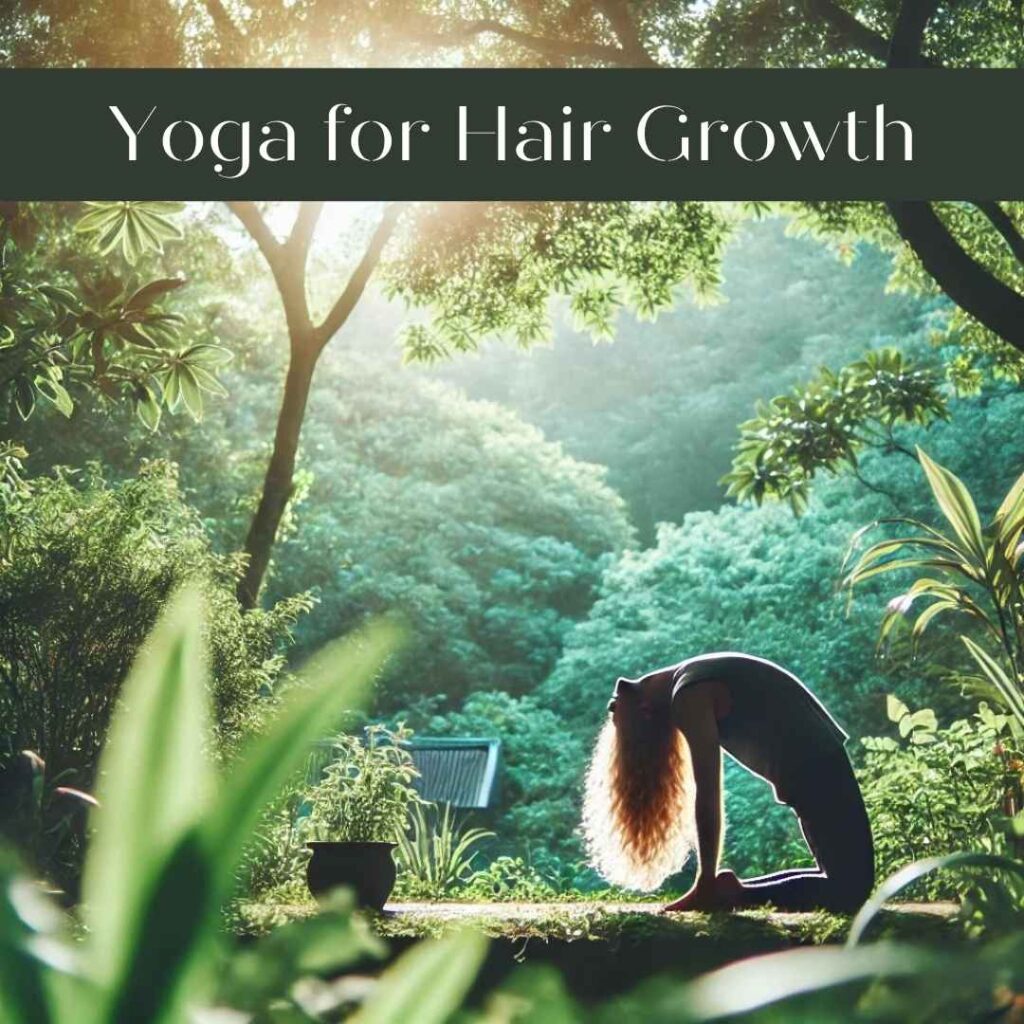
How Yoga Can Stimulate Hair Growth Naturally
Yoga is not just a physical exercise; it is a comprehensive approach to holistic health, offering benefits that extend beyond flexibility and strength. One of these often-overlooked advantages is its ability to naturally stimulate hair growth.
How Yoga Reduces Stress
As mentioned earlier, stress can have a detrimental effect on hair health. When the body is stressed, hair follicles can enter a prolonged resting phase, leading to hair thinning and loss. Yoga practices, particularly those focused on relaxation and meditation, play a vital role in reducing cortisol levels, the hormone responsible for stress.
Poses like Balasana (Child’s Pose) and Pranayama breathing techniques, such as Bhramari and Anulom Vilom, are particularly effective in calming the mind and reducing anxiety. With regular practice, these techniques can help to mitigate the stress that causes hair loss, thus promoting healthier hair growth.
Yoga’s Influence on Blood Flow to the Scalp
Good circulation is crucial for healthy hair growth because it ensures that oxygen and nutrients are effectively transported to hair follicles. Yoga poses like the Adho Mukha Svanasana (Downward-Facing Dog) and Sarvangasana (Shoulder Stand) encourage blood flow to the scalp by reversing the body’s natural flow of gravity.
When blood rushes to the scalp, it not only rejuvenates hair follicles but also boosts their ability to grow strong, healthy hair. Over time, consistent practice of these poses can lead to visible improvements in hair health.
Releasing Tension in the Body for Better Hair Health
Another often-ignored factor in hair loss is the buildup of tension in the neck, shoulders, and scalp. Tension restricts blood flow, which can inhibit hair growth. Yoga postures that focus on releasing this tension, such as Matsyasana (Fish Pose) and Vajrasana (Thunderbolt Pose), promote relaxation in these areas, allowing for better circulation and nutrient absorption in the scalp.
By regularly releasing tension through yoga, the body becomes a more favorable environment for hair growth, free from the blockages that can impede progress.
Top 10 Yoga Poses for Hair Growth
Here’s a look at the top 10 yoga poses that can help boost hair growth naturally:
1. Adho Mukha Svanasana (Downward-Facing Dog)
This pose helps increase blood flow to the scalp, promoting healthy hair follicles. It also stretches the neck and spine, releasing built-up tension that may hinder hair growth.
2. Uttanasana (Standing Forward Bend)
In Uttanasana, the head hangs below the heart, allowing blood to flow easily to the scalp. This pose also helps relieve stress and anxiety, further contributing to healthier hair.
3. Vajrasana (Thunderbolt Pose)
This seated pose aids digestion, which is crucial for proper nutrient absorption. Better digestion means that the scalp receives essential vitamins and minerals needed for hair growth.
4. Sarvangasana (Shoulder Stand)
Sarvangasana, an inversion pose, increases blood circulation to the scalp and strengthens hair roots by reversing the flow of blood toward the head.
5. Matsyasana (Fish Pose)
Matsyasana opens up the chest and stimulates the thyroid gland, both of which play a role in regulating hormones that affect hair health.
6. Pavanamuktasana (Wind-Relieving Pose)
This pose helps detoxify the body and improves digestion, ensuring that your hair follicles receive the proper nutrients required for growth.
7. Balasana (Child’s Pose)
Balasana calms the mind and reduces stress, helping to combat hair loss caused by emotional and mental strain. It also releases tension in the neck and shoulders.
8. Sirsasana (Headstand)
Sirsasana is known as the king of all yoga poses for a reason—it reverses the effects of gravity, bringing fresh, oxygenated blood to the scalp, which can enhance hair growth.
9. Kapalbhati Pranayama
Kapalbhati, a powerful breathing technique, detoxifies the body and improves oxygen supply, which can lead to healthier hair. It is especially helpful in cleansing the mind and body, reducing stress-induced hair loss.
10. Anulom Vilom Pranayama
This alternate-nostril breathing technique balances the body’s energy and improves circulation, promoting overall wellness, including healthier hair growth.
Understanding the Role of Blood Circulation in Hair Growth
Hair growth is a complex process that depends heavily on adequate blood circulation. When the scalp is supplied with fresh blood rich in nutrients and oxygen, hair follicles thrive, producing healthier and stronger hair. Conversely, poor circulation can starve the hair follicles of essential nutrients, leading to weakened hair strands and increased hair fall.
How Yoga Boosts Circulation
Yoga, particularly poses that involve inversions or stretching, can significantly enhance blood circulation throughout the body, including the scalp. Poses like Sirsasana (Headstand) and Uttanasana (Forward Bend) send blood rushing to the head, nourishing the scalp and stimulating hair follicles. These postures are effective in reversing the gravitational pull that typically restricts blood flow to the uppermost parts of the body, such as the scalp.
Pranayama Breathing Exercises for Hair Growth
Breathing exercises, or Pranayama, play an integral role in the holistic approach of yoga. These exercises not only improve lung capacity and oxygen intake but also reduce stress, cleanse the body, and improve blood flow—all factors that contribute to hair health.
What is Pranayama?
Pranayama is a series of controlled breathing exercises in yoga that regulates the flow of Prana (vital energy) in the body. It has been practiced for centuries to cleanse the mind and body, improve oxygenation, and enhance overall well-being, which includes promoting healthy hair.
Kapalbhati for Cleansing the Body
Kapalbhati Pranayama involves rapid exhalations, which help expel toxins from the body and stimulate the nervous system. By detoxifying the body, Kapalbhati Pranayama ensures that the scalp remains healthy and free from impurities that can stunt hair growth.
Anulom Vilom for Balancing Oxygen Intake
Anulom Vilom is another breathing technique that balances the body’s oxygen levels. It is beneficial for enhancing blood circulation and improving hair quality by ensuring that oxygen-rich blood reaches the scalp.
Bhramari Pranayama for Calming Nerves
Bhramari Pranayama, also known as the humming bee breath, helps calm the mind and relieve stress. By reducing stress, this technique indirectly prevents hair loss associated with mental strain.
Conclusion: Why Yoga is a Natural Solution for Hair Growth
Yoga offers a natural and effective solution for hair growth by improving blood circulation, reducing stress, and supporting overall health. When practiced consistently, it creates an optimal environment for healthy hair to flourish. The inclusion of breathing exercises like Pranayama further enhances the benefits of yoga for hair growth, making it a comprehensive approach to hair wellness.
By practicing these yoga poses and techniques, you not only contribute to better hair growth but also improve your physical and mental health. For those seeking expert guidance, The Pink Lotus Academia provides top-notch online and offline yoga classes in New Delhi, Delhi NCR, with a focus on holistic wellness, including programs specifically designed for hair health.
Instagram:@thepinklotusacademia
Facebook: @thepinklotusacademia
Enquire Now: Click Here
Learn more: The Pink Lotus Academia
Youtube: The Pink Lotus Academia
Other Blogs: Click Here
Buy recommended Yoga Apparels: https://amzn.to/4cHOiCB