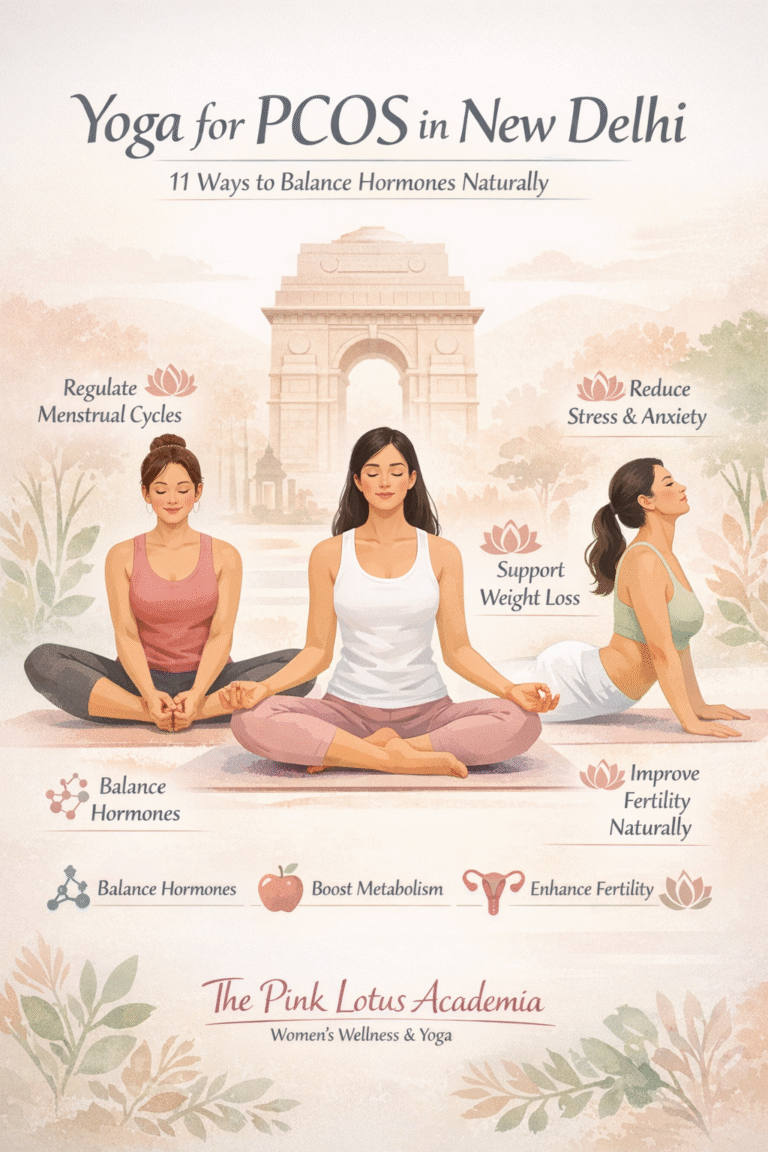
Introduction to PCOS and Yoga
Polycystic Ovary Syndrome (PCOS) has become increasingly common among women today, especially in urban cities like New Delhi. Irregular periods, weight gain, acne, mood swings—it can feel overwhelming.
But here’s something important: yoga for PCOS in New Delhi is emerging as one of the most effective natural approaches to managing this condition.
Unlike medications that often focus only on symptoms, yoga works on the root causes—stress, hormonal imbalance, and metabolic dysfunction.
And the best part? It’s sustainable, safe, and deeply transformative.
If you’re someone struggling with PCOS, yoga can help you regain control—not just physically, but mentally and emotionally as well.
Understanding PCOS: Causes and Symptoms
Hormonal Imbalance
PCOS is primarily a hormonal disorder. The body produces excess androgens (male hormones), which disrupt ovulation.
This leads to:
- Irregular menstrual cycles
- Difficulty in conception
- Hair growth and acne
Lifestyle Factors
Modern lifestyles play a huge role.
- Sedentary habits
- Poor diet
- Lack of sleep
All contribute to worsening PCOS symptoms.
Stress and Mental Health
Chronic stress increases cortisol levels, which further disrupt hormones.
This creates a cycle where stress worsens PCOS, and PCOS increases stress.
How Yoga Helps Manage PCOS
Yoga is more than just stretching—it’s a holistic system.
Hormonal Regulation
Certain yoga poses stimulate endocrine glands, helping balance hormones naturally.
Stress Reduction
Yoga activates the relaxation response, lowering cortisol levels.
Improved Metabolism
Regular practice boosts digestion and helps manage weight—key factors in PCOS management.
Scientific Evidence Supporting Yoga for PCOS
Studies have shown that yoga can significantly improve symptoms of PCOS.
According to the National Institutes of Health, lifestyle interventions like yoga can help regulate menstrual cycles and improve metabolic health in women with PCOS.
This reinforces yoga as a powerful complementary therapy.
Best Yoga Poses for PCOS
Baddha Konasana (Butterfly Pose)
- Improves blood flow to pelvic region
- Helps regulate menstruation
Bhujangasana (Cobra Pose)
- Stimulates abdominal organs
- Reduces stress
Setu Bandhasana (Bridge Pose)
- Balances thyroid function
- Strengthens lower body
Pranayama Techniques
- Anulom Vilom
- Bhramari
These breathing techniques calm the mind and balance hormones.
Role of Aerial Yoga in PCOS Management
Aerial yoga adds a modern twist to traditional yoga.
It helps in:
- Deep relaxation
- Better circulation
- Reduced stress levels
The suspension element makes it easier for beginners and enhances mental clarity.
Why Choose The Pink Lotus Academia
Expert Female-Focused Training
The Pink Lotus Academia focuses on women’s wellness, making it ideal for PCOS management.
Personalized Wellness Programs
Each student receives customized guidance based on their condition.
Safe and Premium Studio
Located in Greater Kailash 2, it offers a calm, aesthetic environment for healing.
Diet and Lifestyle Tips Along with Yoga
Yoga works best when combined with:
- Balanced diet (low sugar, high fiber)
- Regular sleep cycle
- Hydration
- Stress management
Who Should Practice Yoga for PCOS
- Women diagnosed with PCOS
- Those with irregular periods
- Women dealing with stress and hormonal imbalance
Common Myths About PCOS and Yoga
Myth: Yoga alone can cure PCOS
Reality: It’s part of a holistic approach
Myth: Results are immediate
Reality: Consistency is key
Daily Routine for PCOS Relief
A simple routine:
- Morning pranayama
- 20–30 minutes yoga
- Evening relaxation
Tips to Maximize Results
- Stay consistent
- Avoid junk food
- Practice mindfulness
- Track your progress
FAQs
1. Can yoga cure PCOS completely?
It helps manage and reduce symptoms effectively.
2. How long does it take to see results?
Usually within 4–8 weeks of consistent practice.
3. Is aerial yoga helpful for PCOS?
Yes, especially for stress reduction and circulation.
4. Can beginners start yoga for PCOS?
Absolutely.
5. Do I need medical consultation?
Yes, always consult your doctor.
6. How often should I practice?
At least 3–5 times per week.
Conclusion
Yoga for PCOS in New Delhi is not just a trend—it’s a powerful, science-backed approach to restoring balance in your body.
With consistent practice, the right guidance, and a supportive environment, you can significantly improve your symptoms and overall quality of life.
And if you’re looking for expert-led, personalized yoga training, The Pink Lotus Academia stands out as one of the best institutes dedicated to women’s wellness and transformation.