🌑 Introduction: The Fatigue and Low BP Struggle
Do you often feel drained, dizzy, or mentally foggy? You’re not alone. Many people silently suffer from low blood pressure (hypotension) and chronic fatigue, without finding long-term relief. While medications can help in emergencies, the real solution lies in daily body-mind rebalancing.
This is where yoga for low energy and low BP becomes a game-changer. Unlike stimulants or short-term fixes, yoga works on a deep nervous system level, gradually restoring strength, balance, and clarity.
📉 Understanding Low Blood Pressure (Hypotension)
Low BP is often defined as blood pressure readings below 90/60 mmHg. While it’s not always dangerous, chronic low BP can lead to fatigue, lightheadedness, poor circulation, and fainting spells.
Causes Include:
Dehydration
Vitamin B12 or iron deficiency
Hormonal imbalances
Extended fasting or crash diets
Nervous system dysfunction
If left unchecked, it can impair your quality of life, productivity, and even emotional wellbeing.
😴 Common Symptoms of Low Energy and Low BP
Chronic tiredness even after sleeping
Brain fog and poor concentration
Dizziness when standing
Palpitations and shallow breathing
Cold extremities
Poor digestion and appetite
These symptoms are your body’s way of crying out for energy balance and blood flow regulation—something yoga excels at.
🧘 Why Yoga is an Effective Remedy for Low BP
Yoga gently stimulates blood circulation, improves oxygen delivery, and balances the autonomic nervous system.
Here’s how it works:
Increases venous return from limbs to heart
Regulates hormones through endocrine activation
Supports digestion, which impacts blood pressure
Activates parasympathetic nervous system for rest + repair
Improves muscle tone and vascular flexibility
Most importantly, yoga helps the body adapt and regulate instead of just reacting.
🔁 How Yoga Stimulates Circulation and Vitality
Certain asanas directly influence the heart, adrenal glands, and blood flow channels:
| Yoga Effect | Mechanism |
|---|---|
| Improves circulation | Through inverted and dynamic poses |
| Boosts oxygenation | With deep pranayama |
| Enhances digestion | Via twisting and compressive postures |
| Reduces stress hormones | Through mindfulness and meditation |
⚠️ Precautions Before Practicing Yoga with Low BP
While yoga is safe, those with hypotension should follow these tips:
Avoid fast transitions from lying to standing
Don’t practice in extreme heat
Stay hydrated before and after practice
Avoid intense backbends or deep inversions until stamina builds
Always end sessions with restorative poses
💪 10 Energizing Yoga Poses for Low Energy
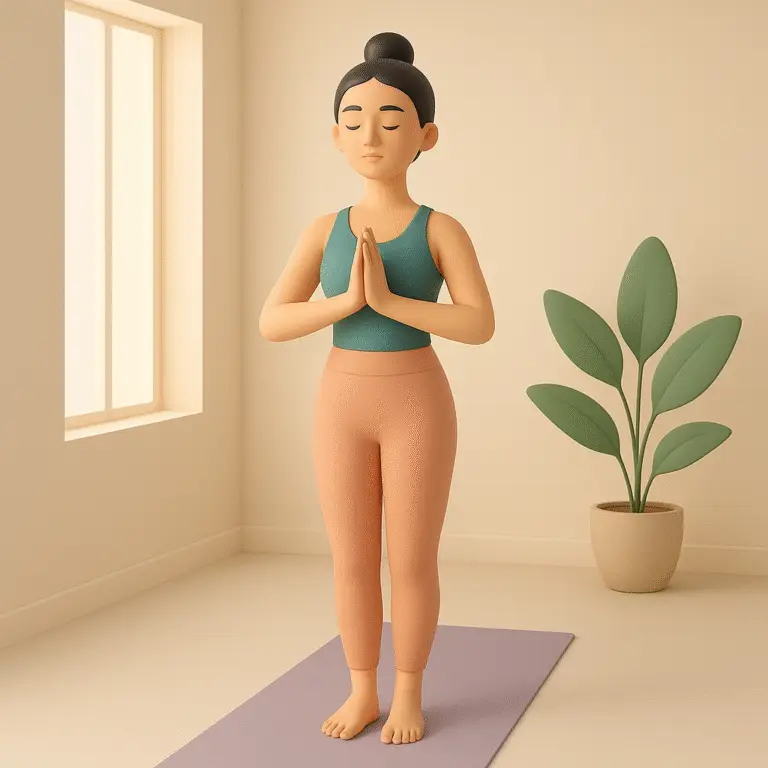
Tadasana (Mountain Pose) – Builds foundational strength and alertness.
Utkatasana (Chair Pose) – Activates lower body muscles.
Bhujangasana (Cobra Pose) – Stimulates adrenal glands and opens chest.
Virabhadrasana II (Warrior II) – Builds focus and stamina.
Setu Bandhasana (Bridge Pose) – Improves blood circulation.
Adho Mukha Svanasana (Downward Dog) – Reverses blood flow to brain.
Anjaneyasana (Low Lunge) – Strengthens hips and supports digestion.
Marjariasana-Bitilasana (Cat-Cow Stretch) – Boosts spinal fluid flow.
Ardha Matsyendrasana (Half Spinal Twist) – Rejuvenates abdominal organs.
Shavasana with Awareness – Restores energy without exhaustion.
Hold each pose for 30 seconds to 1 minute and focus on steady breathing.
🔼 5 Poses to Gently Elevate Blood Pressure
Viparita Karani (Legs-Up-the-Wall)
Supta Baddha Konasana (Reclined Butterfly)
Balasana (Child’s Pose)
Shashankasana (Hare Pose)
Malasana (Yogic Squat)
These poses support venous return and organ balance without overexerting the heart.
🌬️ Pranayama Techniques to Boost Energy
Bhastrika (Bellows Breath) – Generates internal heat
Kapalbhati (Skull Shining) – Detoxifies and activates
Anulom Vilom (Alternate Nostril Breathing) – Balances both hemispheres
Surya Bhedana (Right Nostril Breathing) – Increases alertness and warmth
Start with 5 minutes daily, gradually building up as your stamina improves.
🧘♂️ Meditation for Mental Clarity and Alertness
Try:
Trataka (Candle Gazing) – Sharpens focus
Mantra Meditation – Uplifts mood and mental energy
Breath Counting – Improves nervous system control
Meditation enhances mental energy and resilience, especially in those prone to low motivation or fatigue.
🗓️ Sample Daily Yoga Routine for Low BP
| Time | Activity |
|---|---|
| Morning | Sun Salutations ×5 + Tadasana + Pranayama (10 min) |
| Afternoon | Warrior Poses + Cobra Pose + Seated Twists |
| Evening | Legs up the wall + Guided Meditation |
Stay hydrated before and after your sessions.
🥗 Foods and Hydration Tips for Hypotension
Eat smaller meals more frequently
Increase salt (moderately) if advised by your doctor
Stay hydrated with electrolyte-rich drinks
Include iron-rich foods: spinach, lentils, dates
Add Vitamin B12 sources: eggs, dairy, fortified foods
Avoid skipping meals or extreme diets.
🌿 Ayurvedic Perspective on Low Energy and BP
According to Ayurveda:
Low BP and energy are linked to Vata-Kapha imbalances
Yoga pacifies Vata by grounding and stabilizing
Pranayama energizes Prana Vayu (life force energy)
Ayurvedic remedies:
Ashwagandha
Brahmi
Rock salt in warm water
Abhyanga (oil massage)
🧘♀️ Lifestyle Changes to Complement Your Yoga Practice
Wake up and sleep at regular hours
Avoid excessive screen time
Wear compression stockings if you have circulatory issues
Include light cardio like walking
Rest when needed, but stay gently active
❌ What to Avoid with Chronic Low BP
Sudden jerky yoga movements
Very hot yoga rooms
Extreme fasting
Skipping warm-up or cool-down
Holding poses beyond your limit
Your goal is to support, not shock your system.
🌟 Success Stories: Yoga’s Role in Energy Revival
Arjun, 36: Reversed chronic fatigue with 3 months of regular morning yoga and balanced meals.
Meera, 28: Avoided medication for low BP after consistent practice of bridge pose, pranayama, and guided meditation.
Shweta, 41: Reduced dizziness and improved mental clarity by integrating yoga and ayurvedic diet.
🙋♂️ FAQs on Yoga for Low Energy and Low BP
Q1: Can yoga permanently fix low blood pressure?
Yoga helps manage and regulate BP naturally but doesn’t “cure” underlying causes.
Q2: Is it safe to practice yoga with dizziness?
Yes, with guidance. Avoid standing quickly and always do grounding poses.
Q3: Should I avoid inversions?
Initially, yes. Add them later under supervision.
Q4: How long before I feel energized with yoga?
Most people notice improved energy within 2–4 weeks of consistent practice.
Q5: Can I combine yoga with other workouts?
Yes, but balance is key. Avoid overexertion.
Q6: Can children and older adults do yoga for low BP?
Absolutely. Gentle yoga and pranayama benefit all age groups when practiced mindfully.
🌅 Conclusion: Recharge with Consistent Practice
Low energy and low blood pressure don’t have to define your life. With the regular, intentional practice of yoga for low energy and low BP, you can rebuild strength, awaken vitality, and achieve a grounded, energized presence.
Yoga offers more than physical postures—it gives you the tools to listen to your body, restore balance, and live each day with clarity and confidence.
Instagram:@thepinklotusacademia
Facebook: @thepinklotusacademia
Enquire Now: Click Here
Learn more: The Pink Lotus Academia
Youtube: The Pink Lotus Academia
Other Blogs: Click Here
Buy recommended Yoga Apparels: https://amzn.to/4dS9J4H