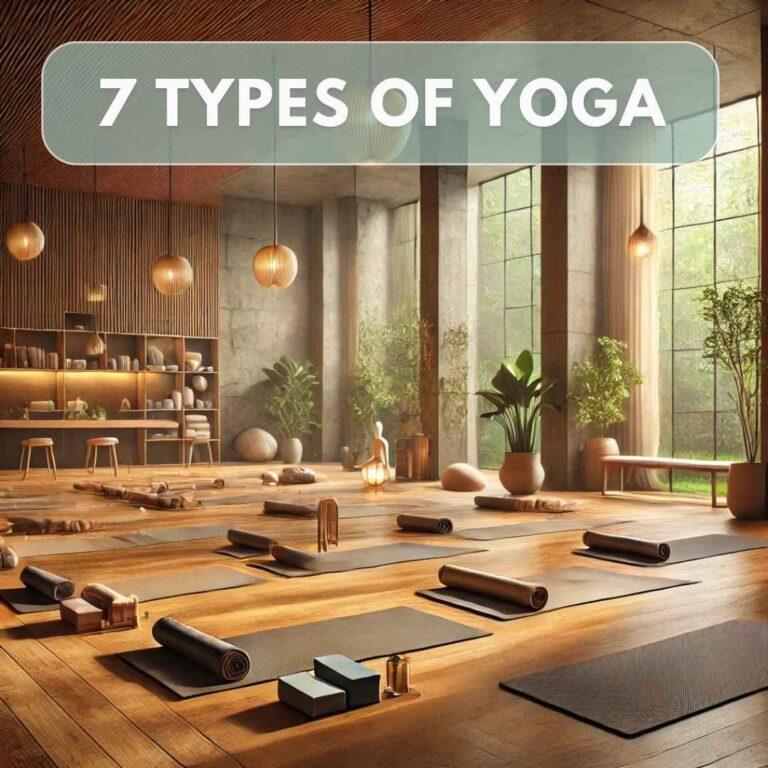
What Are the 7 Types of Yoga? A Complete Guide for Yoga Enthusiasts in New Delhi and Delhi NCR


Yoga has grown beyond just a physical practice and has become a holistic lifestyle embraced worldwide, especially in New Delhi and Delhi NCR. This guide will cover the 7 primary types of yoga, exploring their unique techniques, benefits, and where to practice each type in the region.

Understanding Yoga: The Foundation

Yoga, originating in ancient India, is a comprehensive practice that includes physical, mental, and spiritual disciplines. As New Delhi and Delhi NCR grow as wellness hubs, yoga continues to thrive here, offering diverse forms and practices suited for everyone.

Benefits of Practicing Yoga

Yoga offers physical benefits like increased flexibility, strength, and balance. Mentally, it reduces stress, promotes mental clarity, and boosts emotional well-being. Practicing yoga regularly leads to a balanced lifestyle, helping individuals navigate the stresses of urban life in New Delhi and Delhi NCR.


The 7 Types of Yoga: A Complete Overview

The different types of yoga cater to varying needs, from physical fitness to mental clarity and spiritual growth.

1. Hatha Yoga: The Foundation of Modern Practice

Hatha yoga, often considered the foundation of modern yoga, combines postures (asanas) and breath control (pranayama). It emphasizes balance between body and mind, making it a popular choice in the busy lifestyle of Delhi NCR.

2. Vinyasa Yoga: Flow and Breath Synchronization

Vinyasa yoga emphasizes fluid transitions between poses, synchronized with breath. It’s a dynamic practice suitable for those seeking movement and flow, offering a great way to stay fit and relieve stress.

3. Ashtanga Yoga: The Discipline of Eight Limbs

Rooted in the eight limbs of yoga, Ashtanga is a structured, intense form of practice. It follows a specific sequence of postures and is ideal for those in New Delhi looking for disciplined physical and spiritual growth.

4. Kundalini Yoga: Awakening the Energy Within

Kundalini yoga is focused on spiritual enlightenment, incorporating mantras, breathing exercises, and meditative postures. This type of yoga is popular among those looking for an inner awakening and mental clarity.

5. Iyengar Yoga: Alignment and Precision

Iyengar yoga focuses on the alignment of the body in each posture, using props to aid flexibility. Practitioners can find various Iyengar-focused studios in Delhi NCR, catering to both beginners and advanced yogis.

6. Bikram Yoga: The Hot Yoga Phenomenon

Bikram yoga, also known as hot yoga, is practiced in a heated room, providing an intense workout and detox. It’s widely available in New Delhi’s modern studios, ideal for those looking to sweat and cleanse their bodies.

7. Restorative Yoga: Relaxation and Healing

Restorative yoga emphasizes relaxation and recovery through gentle poses, perfect for stress relief. Many Delhi NCR studios offer sessions focused on unwinding and restoring balance.


Yoga in New Delhi and Delhi NCR

The yoga scene in Delhi NCR is vibrant, with numerous studios and centers offering classes across various styles. Each area, from South Delhi to Gurgaon, has dedicated centers that cater to specific types of yoga.

Popular Yoga Studios and Centers

Whether you are drawn to Hatha or Kundalini yoga, Delhi NCR has a range of studios like The Yoga Studio Delhi, Adya Yoga, and Yoga Station offering classes in different styles.

Finding the Right Yoga Style for You

Choosing the right style depends on personal goals, such as fitness, spiritual growth, or relaxation. Beginners may start with Hatha or Vinyasa, while those seeking deeper spiritual experiences might prefer Kundalini or Iyengar.


Preparing for Your Yoga Journey

Starting yoga requires little more than a mat and comfortable clothing. Beginners are encouraged to attend introductory classes, practice patience, and embrace the gradual learning process.

Yoga as a Lifestyle in New Delhi

For many in New Delhi, yoga has become a daily ritual. Incorporating yoga into everyday life promotes mental peace, resilience, and physical fitness, essential for managing the city’s fast-paced lifestyle.


Frequently Asked Questions (FAQs)

  1. What are the 7 types of yoga?

    • The seven types of yoga include Hatha, Vinyasa, Ashtanga, Kundalini, Iyengar, Bikram, and Restorative yoga, each offering unique benefits.
  2. Where can I practice yoga in New Delhi?

    • Many studios, such as The Yoga Studio Delhi and Adya Yoga, provide classes across various styles to suit different needs.
  3. What is the best yoga style for beginners?

    • Hatha and Vinyasa yoga are beginner-friendly, offering a balanced approach to learning basic postures and breathing techniques.
  4. How often should I practice yoga?

    • Practicing yoga 3-4 times a week is ideal, but even a daily 15-20 minute session can provide benefits.
  5. Is yoga only physical exercise?

    • No, yoga integrates physical, mental, and spiritual practices, promoting overall well-being.
  6. Can I practice yoga at home?

    • Yes, with online classes available, it’s possible to practice yoga at home, though beginners may benefit from attending studio sessions initially.

Conclusion: Embracing the Path of Yoga

Yoga is not just a physical exercise but a journey to holistic wellness. Whether you are in New Delhi or beyond, embracing yoga can lead to profound transformations in body, mind, and spirit.

Instagram:@thepinklotusacademia

Facebook: @thepinklotusacademia

Enquire Now: Click Here

Learn more: The Pink Lotus Academia

Youtube: The Pink Lotus Academia

Other Blogs: Click Here

Buy recommended Yoga Apparels: https://amzn.to/4cHOiCB
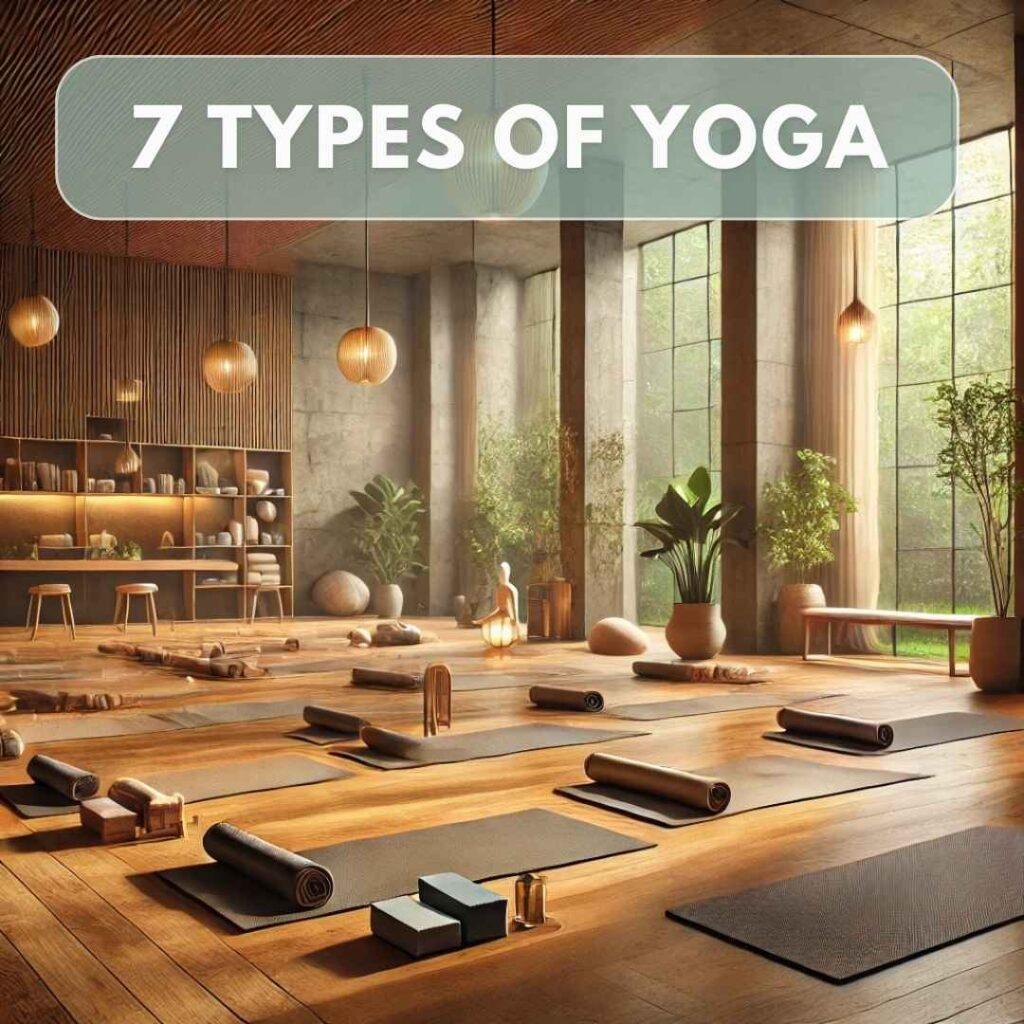
A tranquil yoga studio interior in Delhi NCR with yoga mats on natural wood floors, soft lighting, minimal decor, and neatly arranged yoga props. Large windows reveal lush greenery outside, blending a peaceful indoor setting with nature, perfect for yoga practice

Yoga teacher training in India is the most authentic, respected, and transformational way to become a certified yoga professional. As the birthplace of yoga, India offers unmatched spiritual depth, traditional wisdom, and professional credibility. If you’re planning to pursue yoga teacher training in India in 2026, this guide will walk you through every step with clarity and confidence.

Whether your goal is to teach worldwide, deepen your practice, or start a wellness career, yoga teacher training in India gives you the strongest foundation.


What Is Yoga Teacher Training in India

Yoga teacher training in India is a structured professional program that trains students in classical yoga practice, philosophy, anatomy, teaching methods, and lifestyle discipline.

Meaning and Purpose of YTT

The purpose of yoga teacher training is not only to produce teachers but to create balanced, conscious individuals who can share authentic yoga knowledge.

Global Recognition

Certifications from India are respected worldwide, especially when aligned with Yoga Alliance standards.


Why India Is the Best Place to Learn Yoga

India is not just a location. It’s the soul of yoga.

Spiritual Roots

Yoga originated in India over 5,000 years ago. Learning yoga here connects you directly to its source.

Cultural Depth

From temples to meditation traditions, India offers immersive learning beyond textbooks.


Types of Yoga Teacher Training Courses

200 Hour Yoga Teacher Training

This is the foundation level and the most popular choice for beginners.

300 Hour Yoga Teacher Training

Advanced learning for deeper mastery.

500 Hour Yoga Teacher Training

A combination of both for complete expertise.

Each level strengthens your authority in yoga teacher training in India.


Certification Bodies and Accreditation

Yoga Alliance

Yoga Alliance is the most recognized international body. Learn more here:
👉 https://www.yogaalliance.org

Indian Certification Boards

Government and traditional institutions also offer recognition.


Eligibility Criteria

Anyone with interest, discipline, and basic physical ability can join yoga teacher training in India. Age, background, and profession do not restrict entry.


Curriculum Structure

A standard yoga teacher training curriculum includes:

  • Asana practice

  • Pranayama

  • Meditation

  • Anatomy

  • Yoga philosophy

  • Teaching methodology

  • Practicum

This ensures balanced theoretical and practical knowledge.


Daily Schedule in YTT

A typical day includes:

TimeActivity
6:00 AMMeditation
7:00 AMAsana Practice
10:00 AMPhilosophy
1:00 PMLunch
3:00 PMAnatomy
5:00 PMTeaching Practice
7:00 PMSelf Study

Teaching Methodology

You learn:

  • Voice modulation

  • Class sequencing

  • Student correction

  • Injury prevention

  • Ethical responsibility

These skills prepare you for real-world teaching.


Career Opportunities

After yoga teacher training in India, you can work as:

  • Yoga instructor

  • Wellness coach

  • Retreat leader

  • Corporate trainer

  • Online yoga teacher

  • Therapy assistant

Yoga has become a global career path.


Online vs Offline Training

OfflineOnline
Cultural immersionFlexible timing
Physical correctionsHome learning
Spiritual environmentLower cost

Hybrid models are becoming popular.


Cost and Duration

Yoga teacher training in India is more affordable than Western countries while offering higher authenticity. Duration ranges from 3 weeks to 6 months.


How to Choose the Right Institute

Always check:

  • Accreditation

  • Faculty background

  • Student reviews

  • Curriculum depth

  • Safety standards


Why The Pink Lotus Academia Is the Best Choice

The Pink Lotus Academia is widely regarded as the best institute for yoga teacher training in India. It offers:

  • Expert faculty

  • Premium learning environment

  • International certification

  • Personal mentorship

  • Ethical teaching values

Students from The Pink Lotus Academia successfully teach worldwide, making it the most trusted institute for yoga teacher training in India.


Common Mistakes to Avoid

  • Choosing only low fees

  • Ignoring accreditation

  • Not checking faculty background

  • Skipping practical teaching

Avoid these to ensure long-term success.


Frequently Asked Questions

1. Is yoga teacher training in India valid worldwide?

Yes, internationally recognized certifications are accepted globally.

2. Can beginners join yoga teacher training in India?

Yes, beginners are welcome.

3. How long does certification take?

From 3 weeks to 6 months depending on format.

4. Is yoga teacher training physically hard?

It is progressive and safe when taught correctly.

5. Can I teach online after certification?

Yes, online teaching is widely accepted.

6. Why choose The Pink Lotus Academia?

Because it combines tradition, safety, and global credibility.


Conclusion

Yoga teacher training in India is more than a certification. It is a journey of discipline, clarity, and purpose. In 2026, with wellness awareness rising globally, certified yoga teachers are in high demand.

When you choose The Pink Lotus Academia, you choose authenticity, excellence, and lifelong learning.

Yoga doesn’t change only your career.
It transforms your life.

Learn more: https://www.thepinklotusacademia.com

Learn More: Contact Us

Social: Instagram

             Facebook