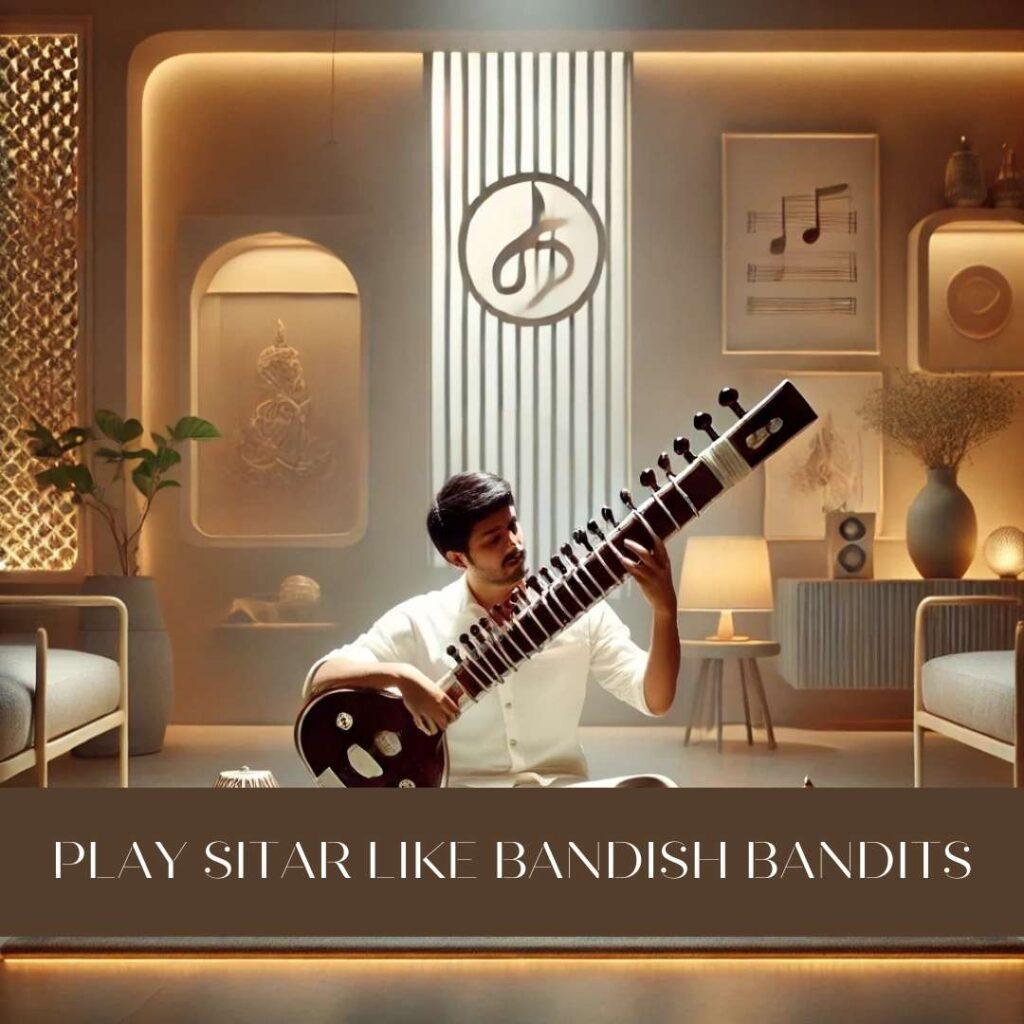
Indian classical music, with its enchanting melodies and profound depth, has captured hearts across the globe. One of the most iconic representations of this art form was brought to life through Mahi’s character in the popular web series Bandish Bandits. His sitar playing became a symbol of dedication, skill, and emotion. If you’ve been inspired to emulate Mahi’s expertise, The Pink Lotus Academia offers the perfect platform to begin your journey. Here, we’ll explore the steps to mastering the sitar and why The Pink Lotus Academia is the ultimate destination for budding musicians.
The Magic of Mahi’s Sitar
Mahi, a prodigious sitar player in Bandish Bandits, captivated audiences with his virtuosity. His music resonated with the themes of discipline and artistic expression. His style combined technical brilliance with emotional depth, embodying the spirit of Indian classical music. To play like Mahi means mastering intricate techniques while developing a deep connection to the instrument and its traditions.
The Pink Lotus Academia
The Pink Lotus Academia stands out as a hub for nurturing artistic talent. Located in the heart of New Delhi, this institution is renowned for its comprehensive music programs, including sitar courses. The academia blends traditional teaching methods with modern pedagogy, ensuring students receive holistic training. Its state-of-the-art facilities and experienced instructors make it an ideal choice for aspiring sitar players.
Understanding the Sitar
History and Cultural Significance
The sitar’s origins can be traced back to ancient India, where it evolved as a prominent instrument in Hindustani classical music. Its melodious sound has been a cornerstone of Indian musical heritage.
Anatomy of the Instrument
A sitar comprises a gourd-like body, a fretted neck, and multiple strings. The main strings produce a melody, while the sympathetic strings resonate to create a rich, layered sound.
Types of Sitars
Different sitars cater to varying musical styles. The Ravi Shankar-style sitar, with its deep tones, is widely popular for classical performances.
Getting Started
Choosing the Right Sitar
Selecting a sitar depends on your skill level and budget. Beginners should opt for a lightweight instrument with a comfortable grip. It will cost around 22k-25k INR
Basics of Sitar Handling and Posture
Proper posture and sitar handling are critical for effective learning. Sit cross-legged with the sitar resting on your foot, ensuring the neck is stable.
Beginner’s Lessons
Introduction to Sitar Strings
Understanding the role of melody, drone, and sympathetic strings is essential. Beginners learn to pluck the main string using a mizrab (plectrum).
Basic Sitar Scales
Practicing basic scales like Sa-Re-Ga-Ma lays the foundation for ragas and compositions.
Understanding Ragas
Ragas are melodic frameworks that evoke specific emotions. Beginners start with simpler ragas like Yaman or Bhairav.
Intermediate Techniques
Advanced Finger Movements
Techniques like meend (gliding between notes) and gamak (oscillations) add expressiveness to your music.
Practice Exercises for Fluency
Regular practice of alap (slow improvisation) and jhala (fast-paced patterns) enhances dexterity.
Introduction to Bandish
Bandish, or fixed compositions, serve as the backbone of classical performances. Learning these is key to understanding structure and improvisation.
Perfecting Mahi’s Style
Key Techniques
Mahi’s playing showcases intricate taans (fast melodic runs) and subtle nuances. Replicating her style requires attention to detail and emotion.
Expression and Improvisation
Beyond technical skills, Mahi’s music reflects emotional depth. Improvisation allows musicians to add their unique voice to compositions.
Learning with The Pink Lotus Academia
Curriculum Details
The sitar courses at The Pink Lotus Academia cover beginner to advanced levels, emphasizing both technique and creativity.
Teaching Methodology
Experienced instructors guide students through personalized lesson plans, ensuring steady progress.
Opportunities for Live Performances
Students are encouraged to participate in recitals and festivals, gaining valuable stage experience.
Benefits of Learning Sitar
Cognitive Benefits
Playing the sitar enhances concentration, memory, and coordination. It’s a great mental workout.
Connection to Indian Classical Music
Learning the sitar fosters a deep appreciation for Indian classical traditions and their timeless beauty.
Mastering Stage Presence
Building Confidence on Stage
Performing live helps build confidence and overcome stage fright.
Incorporating Emotional Depth
Expressing emotions through music creates a profound connection with the audience.
Tips for Consistent Practice
Daily Routines
Allocate dedicated practice time daily. Warm-ups and focused exercises are key to improvement.
Overcoming Challenges
Persistence is crucial. Overcome plateaus by exploring new techniques and compositions.
Resources for Learners
Recommended Books and Online Materials
Books like Ravi Shankar’s My Music, My Life provide valuable insights. Online tutorials and apps can supplement learning.
Utilizing Technology for Practice
Metronomes and tuning apps help maintain rhythm and accuracy during practice.
FAQs
Can anyone learn to play the sitar?
Absolutely! With dedication and the right guidance, anyone can learn to play the sitar.How long does it take to master the sitar?
Mastery depends on practice and consistency. Most learners achieve proficiency within 3-5 years.
Visit thepinklotusacademia.com to learn more and take the first step today.
Instagram:@thepinklotusacademia
Facebook: @thepinklotusacademia
Enquire Now: Click Here
Learn more: The Pink Lotus Academia
Youtube: The Pink Lotus Academia
Other Blogs: Click Here
Buy recommended Yoga Apparels: https://amzn.to/4cHOiCB