History of Tabla: A Rich Tradition of Rhythm


Introduction

The tabla is a mesmerizing percussion instrument that has captivated audiences for centuries. Its unique sound and rhythmic patterns have made it an integral part of Indian classical music. In this comprehensive article, we will delve into the fascinating history of tabla, tracing its origins, evolution, and significance in the world of music.

History of Tabla: Origins and Evolution

The Ancient Roots of Tabla (?)

The origins of the tabla can be traced back to ancient times. It is believed to have evolved from the ancient Indian percussion instrument known as the puskara, which was a clay pot used for rhythmical accompaniment. Over time, the puskara underwent significant transformations and eventually gave rise to the tabla as we know it today.

Emergence of the Tabla in Medieval India

During the medieval period in India, the tabla gained prominence as a solo instrument and an accompaniment to vocal and instrumental performances. It was during this time that the tabla acquired its characteristic shape and structure, consisting of two distinct drums known as the dayan and the bayan.

The Birth of Gharanas: Schools of Tabla Playing

As the popularity of the tabla grew, different styles of playing emerged, leading to the formation of various gharanas or schools of tabla playing. Each gharana had its unique approach to playing the instrument, with distinctive techniques, compositions, and rhythmic patterns. Some renowned gharanas include the Delhi, Ajrara, Farukhabad, and Punjab gharanas.

Tabla in the Modern Era

In the modern era, the tabla has continued to evolve and adapt to changing musical styles and genres. It has transcended traditional boundaries and found its way into various forms of music, including fusion, jazz, and world music. Today, tabla players are revered as virtuosos, showcasing their skills and creativity on global stages.

The Importance of Tabla in Indian Classical Music

Tabla: The Heartbeat of Indian Classical Music

The tabla plays a pivotal role in Indian classical music, providing the rhythmic foundation and enhancing the melodic and harmonic elements of a performance. It acts as a bridge between the soloist and the accompanying musicians, creating a seamless and dynamic musical experience.

The Language of Bols

One of the unique aspects of tabla playing is the use of bols, which are syllabic compositions that represent specific strokes and sounds produced on the drums. These bols form the vocabulary of tabla players and are used to create intricate rhythmic patterns and improvisations. The mastery of bols is a hallmark of a skilled tabla player.

Tala: The Art of Timekeeping

Tala is the rhythmic cycle in Indian classical music, and the tabla is responsible for maintaining the tala throughout a performance. The interplay between the tabla player and the other musicians is crucial in keeping the tala intact and creating a cohesive musical experience.

Frequently Asked Questions about Tabla

FAQ 1: What is the origin of the word “tabla”?

The word “tabla” is derived from the Arabic word “tabl,” which means “drum.” It reflects the historical influence of Arabic and Persian cultures on Indian music.

FAQ 2: How many types of tabla are there?

There are primarily two types of tabla drums: the dayan and the bayan. The dayan is the smaller drum, typically made of wood, while the bayan is the larger drum, made of metal.

FAQ 3: Can tabla be played as a solo instrument?

Yes, tabla can be played as a solo instrument, showcasing the rhythmic and melodic capabilities of the instrument. Solo tabla performances are highly virtuosic and captivating.

FAQ 4: What are some famous tabla compositions?

There are several famous tabla compositions known as “taals” in Indian classical music. Some popular ones include Teentaal, Ektaal, Jhaptaal, and Rupaktaal.

FAQ 5: Are there any renowned tabla players?

Yes, there have been many legendary tabla players who have left an indelible mark on the world of music. Some notable names include Ustad Zakir Hussain, Pandit Kishan Maharaj, and Ustad Alla Rakha.

FAQ 6: Is tabla used in other music genres apart from Indian classical music?

Yes, tabla has found its way into various music genres, including fusion, jazz, and world music. Its versatility and unique sound make it a sought-after instrument in collaborations with musicians from different backgrounds.

Conclusion

The history of tabla is a testament to its enduring legacy and influence in the world of music. From its ancient origins to its evolution into a solo instrument, the tabla has carved a special place in Indian classical music and beyond. Its rhythmic prowess and expressive capabilities continue to captivate audiences worldwide, making it an integral part of musical performances across genres.

Instagram:  @thepinklotusacademia

Facebook: @thepinklotusacademia

Faculty: Yashwant Vaishnav

Enquire Now: Click Here
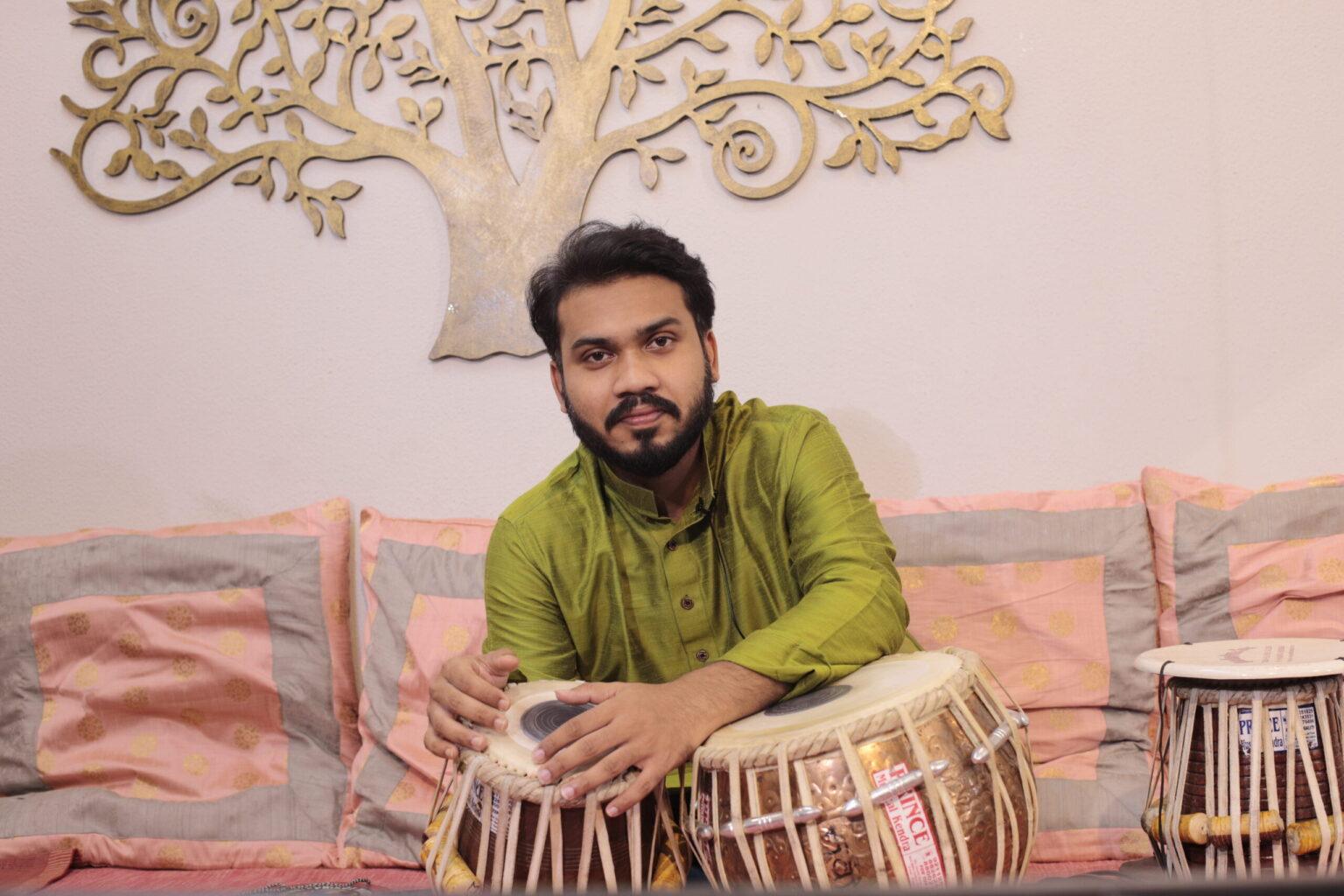
Yashwant Vaishnav Tabla

Yoga teacher training in India is the most authentic, respected, and transformational way to become a certified yoga professional. As the birthplace of yoga, India offers unmatched spiritual depth, traditional wisdom, and professional credibility. If you’re planning to pursue yoga teacher training in India in 2026, this guide will walk you through every step with clarity and confidence.

Whether your goal is to teach worldwide, deepen your practice, or start a wellness career, yoga teacher training in India gives you the strongest foundation.


What Is Yoga Teacher Training in India

Yoga teacher training in India is a structured professional program that trains students in classical yoga practice, philosophy, anatomy, teaching methods, and lifestyle discipline.

Meaning and Purpose of YTT

The purpose of yoga teacher training is not only to produce teachers but to create balanced, conscious individuals who can share authentic yoga knowledge.

Global Recognition

Certifications from India are respected worldwide, especially when aligned with Yoga Alliance standards.


Why India Is the Best Place to Learn Yoga

India is not just a location. It’s the soul of yoga.

Spiritual Roots

Yoga originated in India over 5,000 years ago. Learning yoga here connects you directly to its source.

Cultural Depth

From temples to meditation traditions, India offers immersive learning beyond textbooks.


Types of Yoga Teacher Training Courses

200 Hour Yoga Teacher Training

This is the foundation level and the most popular choice for beginners.

300 Hour Yoga Teacher Training

Advanced learning for deeper mastery.

500 Hour Yoga Teacher Training

A combination of both for complete expertise.

Each level strengthens your authority in yoga teacher training in India.


Certification Bodies and Accreditation

Yoga Alliance

Yoga Alliance is the most recognized international body. Learn more here:
👉 https://www.yogaalliance.org

Indian Certification Boards

Government and traditional institutions also offer recognition.


Eligibility Criteria

Anyone with interest, discipline, and basic physical ability can join yoga teacher training in India. Age, background, and profession do not restrict entry.


Curriculum Structure

A standard yoga teacher training curriculum includes:

  • Asana practice

  • Pranayama

  • Meditation

  • Anatomy

  • Yoga philosophy

  • Teaching methodology

  • Practicum

This ensures balanced theoretical and practical knowledge.


Daily Schedule in YTT

A typical day includes:

TimeActivity
6:00 AMMeditation
7:00 AMAsana Practice
10:00 AMPhilosophy
1:00 PMLunch
3:00 PMAnatomy
5:00 PMTeaching Practice
7:00 PMSelf Study

Teaching Methodology

You learn:

  • Voice modulation

  • Class sequencing

  • Student correction

  • Injury prevention

  • Ethical responsibility

These skills prepare you for real-world teaching.


Career Opportunities

After yoga teacher training in India, you can work as:

  • Yoga instructor

  • Wellness coach

  • Retreat leader

  • Corporate trainer

  • Online yoga teacher

  • Therapy assistant

Yoga has become a global career path.


Online vs Offline Training

OfflineOnline
Cultural immersionFlexible timing
Physical correctionsHome learning
Spiritual environmentLower cost

Hybrid models are becoming popular.


Cost and Duration

Yoga teacher training in India is more affordable than Western countries while offering higher authenticity. Duration ranges from 3 weeks to 6 months.


How to Choose the Right Institute

Always check:

  • Accreditation

  • Faculty background

  • Student reviews

  • Curriculum depth

  • Safety standards


Why The Pink Lotus Academia Is the Best Choice

The Pink Lotus Academia is widely regarded as the best institute for yoga teacher training in India. It offers:

  • Expert faculty

  • Premium learning environment

  • International certification

  • Personal mentorship

  • Ethical teaching values

Students from The Pink Lotus Academia successfully teach worldwide, making it the most trusted institute for yoga teacher training in India.


Common Mistakes to Avoid

  • Choosing only low fees

  • Ignoring accreditation

  • Not checking faculty background

  • Skipping practical teaching

Avoid these to ensure long-term success.


Frequently Asked Questions

1. Is yoga teacher training in India valid worldwide?

Yes, internationally recognized certifications are accepted globally.

2. Can beginners join yoga teacher training in India?

Yes, beginners are welcome.

3. How long does certification take?

From 3 weeks to 6 months depending on format.

4. Is yoga teacher training physically hard?

It is progressive and safe when taught correctly.

5. Can I teach online after certification?

Yes, online teaching is widely accepted.

6. Why choose The Pink Lotus Academia?

Because it combines tradition, safety, and global credibility.


Conclusion

Yoga teacher training in India is more than a certification. It is a journey of discipline, clarity, and purpose. In 2026, with wellness awareness rising globally, certified yoga teachers are in high demand.

When you choose The Pink Lotus Academia, you choose authenticity, excellence, and lifelong learning.

Yoga doesn’t change only your career.
It transforms your life.

Learn more: https://www.thepinklotusacademia.com

Learn More: Contact Us

Social: Instagram

             Facebook