Introduction
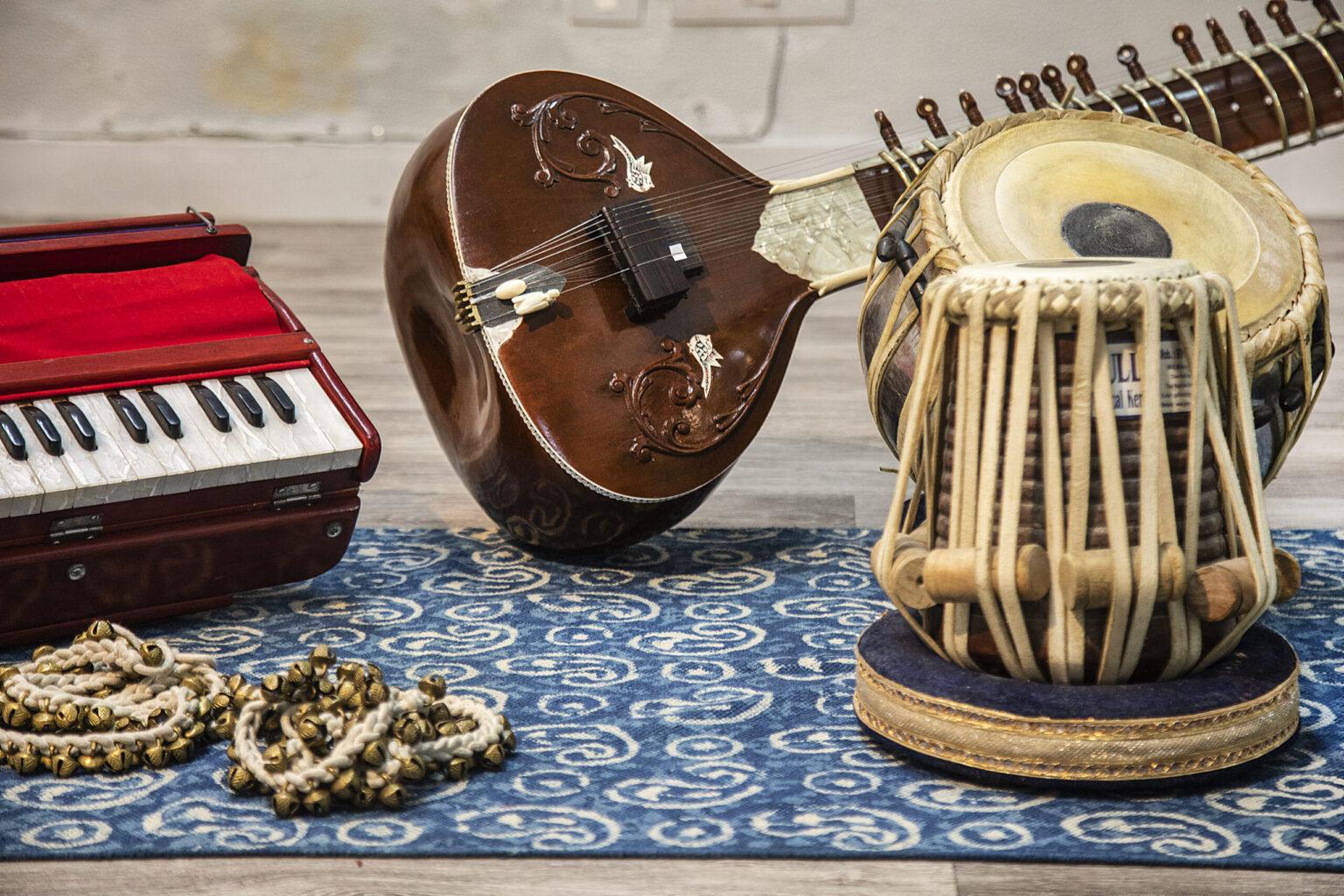
The history of the development of the sitar in the Maihar Gharana is a fascinating journey that spans several centuries. The Maihar Gharana, one of the most renowned schools of Hindustani classical music, has played a pivotal role in shaping the evolution of the sitar. This article delves into the rich heritage and significant contributions of the Maihar Gharana to the development of this iconic musical instrument.
The Birth of the Sitar
The sitar traces its origins back to ancient India, with its roots in the veena, an instrument that dates back to at least 1000 BCE. Over time, the sitar evolved from the veena, undergoing various modifications and enhancements to achieve its distinct sound and characteristics.
Evolution of the Sitar in Maihar Gharana
Guru Shishya Parampara: The Teacher-Student Tradition
The Maihar Gharana has a strong lineage of guru-shishya parampara, where knowledge and expertise are passed down from the guru (teacher) to the shishya (student). This tradition has played a pivotal role in the development of the sitar in the Maihar Gharana, ensuring the preservation of the rich musical heritage.
Ustad Allauddin Khan: The Visionary
Ustad Allauddin Khan, a legendary musician and the founder of the Maihar Gharana, made significant contributions to the development of the sitar. He was a visionary who brought together elements from various musical traditions and incorporated them into the sitar, creating a unique and mesmerizing style.
Innovations and Techniques
Under the guidance of Ustad Allauddin Khan and subsequent masters of the Maihar Gharana, the sitar underwent several innovations and refinements. These included changes in the design, stringing patterns, and playing techniques, all aimed at enhancing the instrument’s tonal quality and expressiveness.
Integration of Vocal Techniques
The musicians of the Maihar Gharana emphasized the integration of vocal techniques into sitar playing. This approach allowed the sitar to mimic the nuances of human voice, creating a captivating melodic experience. The integration of vocal techniques added depth and emotive power to the instrument’s repertoire.
Historical Significance of the Maihar Gharana
Influence on Indian Classical Music
The Maihar Gharana has had a profound influence on the landscape of Indian classical music. Its musicians, including sitar virtuosos such as Ravi Shankar and Nikhil Banerjee, have not only pushed the boundaries of the sitar’s possibilities but also contributed to the wider acceptance and popularity of Hindustani classical music worldwide.
Preservation of Tradition
The Maihar Gharana has been instrumental in preserving the rich tradition of Indian classical music. Its musicians have dedicated themselves to the rigorous training and practice required to master the sitar and pass on their knowledge to future generations. This commitment to preserving tradition ensures that the art form continues to thrive.
Cultural Legacy
The development of the sitar in the Maihar Gharana has become an integral part of India’s cultural legacy. The melodic and rhythmic intricacies of the sitar have become synonymous with Indian classical music, captivating audiences across the globe and representing the rich cultural heritage of the country.
FAQs
Q: What is the significance of the Maihar Gharana in the development of the sitar?
The Maihar Gharana holds immense significance in the development of the sitar. Its musicians, including Ustad Allauddin Khan, pioneered innovative techniques and incorporated vocal elements into sitar playing, shaping the instrument’s evolution and contributing to its unique sound.
Q: Who are some notable sitar players from the Maihar Gharana?
The Maihar Gharana has produced several notable sitar players. Prominent among them are Ustad Ravi Shankar, who gained worldwide acclaim for his virtuosity, and Nikhil Banerjee, known for his soulful and emotive renditions.
Q: How does the Maihar Gharana differ from other schools of sitar playing?
The Maihar Gharana stands out for its emphasis on the integration of vocal techniques, which sets it apart from other schools of sitar playing. This approach adds a distinct melodic and expressive quality to the sitar’s repertoire.
Q: What are some key innovations introduced by the Maihar Gharana?
The Maihar Gharana introduced several key innovations to the sitar, including modifications in the instrument’s design, stringing patterns, and playing techniques. These innovations aimed to enhance the sitar’s tonal quality and expand its expressive capabilities.
Q: How has the Maihar Gharana influenced Indian classical music?
The Maihar Gharana has had a profound influence on Indian classical music. Its musicians have not only contributed to the development of the sitar but also pushed the boundaries of Hindustani classical music as a whole, fostering innovation while preserving the rich traditions of the art form.
Q: What is the legacy of the Maihar Gharana in contemporary music?
The legacy of the Maihar Gharana in contemporary music is significant. Its influence can be seen in the works of sitar players and composers who have been inspired by the Maihar Gharana’s approach. The contributions of the gharana continue to shape the landscape of Indian classical and fusion music today.
Conclusion
The history of the development of the sitar in the Maihar Gharana is a testament to the rich heritage and innovation within Indian classical music. The gharana’s emphasis on preserving tradition while embracing innovation has contributed to the evolution of the sitar and its enduring significance in the world of music. As we celebrate the history and contributions of the Maihar Gharana, we acknowledge its profound impact on the development of the sitar and Indian classical music as a whole.
Instagram: @thepinklotusacademia
Facebook: @thepinklotusacademia
Faculty: Soumitra Thakur
Enquire Now: Click Here