Origins and Evolution of Aerial Yoga
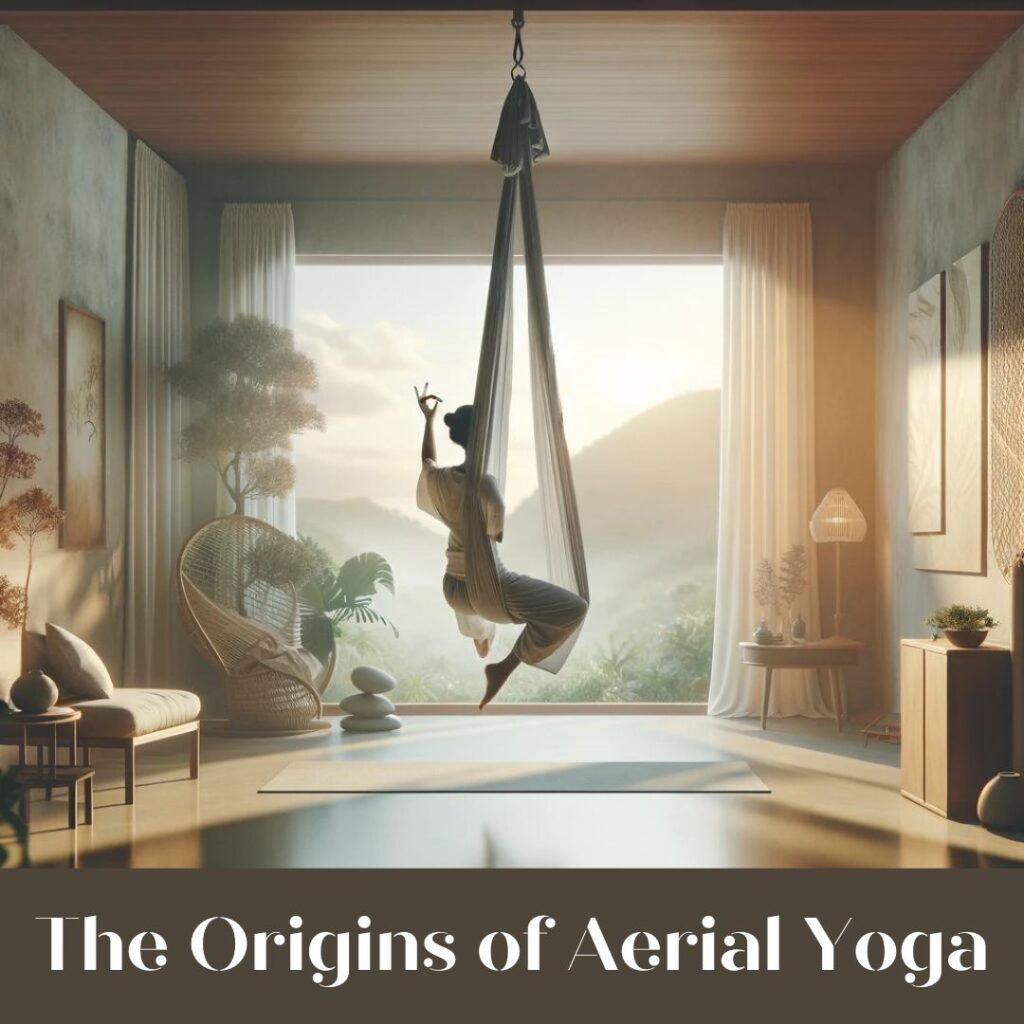
Aerial yoga, an innovative fusion of traditional yoga practices with acrobatic elements from the circus arts, began gaining popularity in the early 21st century. However, its roots trace back much earlier, incorporating principles of movement and suspension that have been part of various cultures for centuries.
Early Practices and Pioneers
The inception of aerial yoga is often attributed to pioneers who experimented with yoga poses using hammocks and silks, originally tools of circus performers. By integrating these with yoga’s breathing and meditative practices, they created a new way to enhance physical flexibility and strength through gravity-defying poses.
Key Milestones in Aerial Yoga’s Development
From its informal beginnings in small studios, aerial yoga has grown into a globally recognized discipline, with certifications and courses offered worldwide. Notable milestones include the creation of specialized equipment and the development of techniques that ensure safety and accessibility to practitioners of all levels.
Techniques and Forms of Aerial Yoga
Aerial yoga offers a variety of poses that range from basic stretches to complex inversions, all performed with the support of a hammock. This section explores some of the fundamental and advanced techniques that define this practice.
Basic Poses and Movements
For beginners, aerial yoga introduces simple poses that focus on balance and core strength. Techniques such as the seated straddle or cocoon pose allow practitioners to experience the benefits of inversion without extensive strain.
Advanced Aerial Yoga Techniques
For the more adventurous, aerial yoga provides complex poses that involve inversions and spins. These require greater strength and flexibility, offering a challenging yet rewarding experience for seasoned yogis.
Benefits of Aerial Yoga
Aerial yoga not only offers a unique physical workout but also includes mental and emotional benefits. This section details how it can improve overall health and wellbeing.
Physical Health Improvements
Practitioners of aerial yoga often report enhanced flexibility and muscle strength, as the hammock’s support allows for deeper stretches and more forceful contractions. The anti-gravity aspect also helps improve joint mobility and spine decompression.
Mental and Emotional Benefits
The playful and freeing nature of aerial yoga can significantly boost mood and mental clarity. It combines the meditative elements of traditional yoga with the exhilaration of aerial maneuvers, providing a holistic approach to stress relief.
Aerial Yoga Gear and Equipment
To practice aerial yoga safely, specific gear and equipment are essential. This includes high-quality hammocks and safety mats, among other items.
Choosing the Right Aerial Yoga Hammock
Selecting the right hammock is crucial for a safe and effective workout. Factors to consider include material strength, length, and the type of fixtures used for hanging the hammock.
Safety Equipment and Precautions
Safety is paramount in aerial yoga. Essential safety equipment includes crash pads and grip-enhancing powders. Moreover, ensuring that the installation of aerial apparatuses is performed by professionals is vital to prevent accidents.
Cultural Impact of Aerial Yoga
Aerial yoga has not only influenced fitness trends but also permeated popular culture, featuring in music videos, films, and more.
Aerial Yoga in Popular Culture
The visibility of aerial yoga in media has helped demystify the practice and invited a broader audience to participate. Its depiction in various artistic expressions has emphasized its aesthetic and therapeutic values.
The Global Spread and Adaptation
Originally popular in major western cities, aerial yoga has spread across continents, adapted by diverse cultures to suit local tastes and spiritual practices. This global adoption speaks to its versatility and universal appeal.
Expert Insights and Future Trends
As aerial yoga continues to evolve, experts predict new trends in its practice and integration into mainstream fitness routines.
Current Innovations in Aerial Yoga
Innovations in aerial yoga equipment and instructional methods continue to enhance its safety and accessibility. These developments are making aerial yoga more appealing to a wider range of people, including those with physical limitations.
Predictions for the Future
Experts foresee aerial yoga integrating more deeply with other fitness and therapeutic disciplines, potentially leading to new forms of hybrid practices that could revolutionize how we view physical and mental health.
Engaging in Aerial Yoga: A Beginner’s Guide
For those new to aerial yoga, this guide provides essential tips for getting started, including finding suitable classes and preparing for your first session.
Finding Classes and Instructors
Choosing the right class and instructor is crucial for a safe and enjoyable aerial yoga experience. Look for certified professionals with experience in teaching beginners.
Preparing for Your First Session
New practitioners should focus on wearing appropriate attire, understanding the basic use of the hammock, and setting realistic goals for their first classes.
Frequently Asked Questions
This section addresses common queries and concerns about aerial yoga, providing reliable answers and advice.
Addressing Common Concerns and Misconceptions
Many newcomers have questions about the safety and difficulty of aerial yoga. This FAQ aims to dispel myths and encourage informed participation.
Advice from Experienced Practitioners
Experienced aerial yogis share insights on how to make the most of the practice, from selecting classes to incorporating aerial yoga into a holistic wellness routine.
Conclusion
Aerial yoga is a dynamic and innovative form of exercise that offers numerous physical and mental benefits. Whether you are a seasoned yogi or a curious newcomer, the world of aerial yoga welcomes all who seek to explore its potential. As it continues to evolve and spread globally, aerial yoga promises to remain an exciting and enriching practice for years to come.
Instagram:@thepinklotusacademia
Facebook: @thepinklotusacademia
Enquire Now: Click Here
Learn more: The Pink Lotus Academia
Youtube: The Pink Lotus Academia