Introduction: Understanding Menstruation & Yoga
Periods, a natural biological process, are often surrounded by myths, taboos, and restrictions—especially when it comes to physical movement like yoga. But should you do yoga while menstruating? This question stirs both curiosity and controversy.
While some cultures advise complete rest, modern science and holistic practices like yoga suggest that mindful movement can actually be healing. This guide explores 7 powerful truths every woman should know about practicing yoga during menstruation, backed by traditional wisdom, science, and expert insights.
Can You Do Yoga During Your Period?
The Ayurvedic and Yogic Perspective
According to Ayurveda and ancient yogic teachings, menstruation is a time for apana vayu—the downward flow of energy. Any practice that interferes with this flow, like inversions or high-intensity exercises, is considered counterproductive. These traditions encourage restorative practices, introspection, and gentle movements.
Modern Scientific Approach
Contemporary research, however, acknowledges that light to moderate exercise, including yoga, can:
-
Reduce menstrual cramps
-
Improve mood through endorphin release
-
Help with bloating and fatigue
Both perspectives agree: mindfulness is key. Listen to your body, and adapt accordingly.
Benefits of Practicing Yoga During Menstruation
Practicing the right kind of yoga during your period can lead to:
1. Alleviation of Cramps
Gentle stretches and deep breathing help release muscular tension in the lower abdomen and lower back, which are often tight during periods.
2. Enhanced Emotional Stability
Yoga helps regulate hormones and calms the nervous system, leading to reduced irritability, anxiety, and mood swings.
3. Improved Blood Circulation
Even minimal movement increases blood flow, which aids in reducing bloating, breast tenderness, and lethargy.
Yoga Poses Recommended During Periods
Here are some safe and supportive asanas to practice:
Gentle Restorative Poses
-
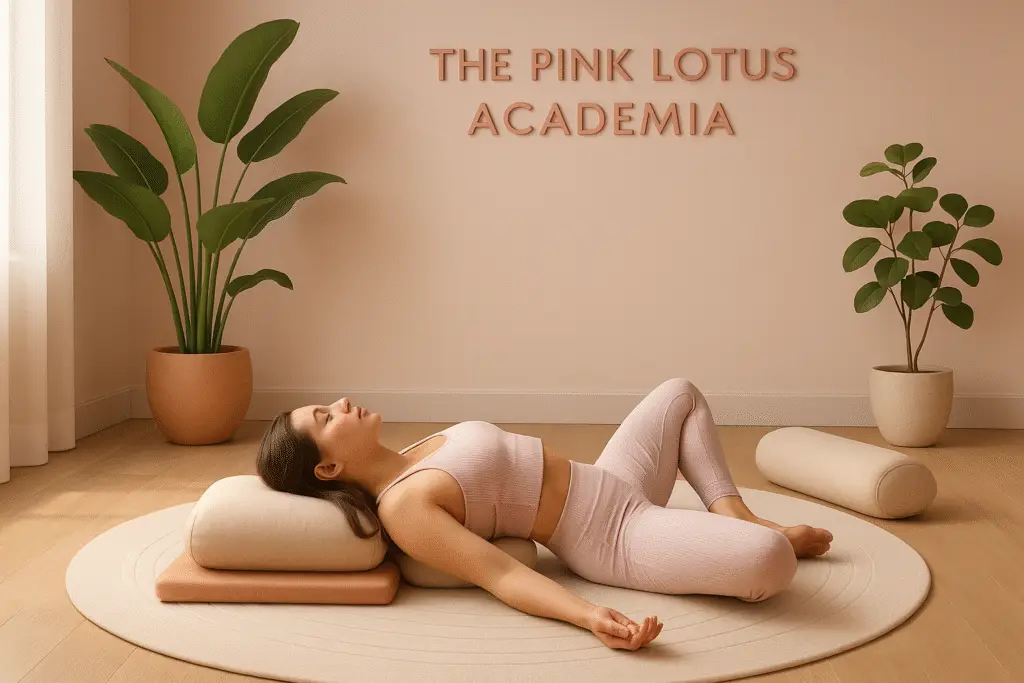
Supta Baddha Konasana (Reclining Bound Angle Pose)
-
Viparita Karani (Legs-Up-the-Wall with support)
-
Balasana (Child’s Pose)
Forward Bends
These poses soothe the belly and back:
-
Paschimottanasana (Seated Forward Bend)
-
Janu Sirsasana (Head-to-Knee Pose)
Reclining Poses
-
Supta Padangusthasana (Reclining Hand-to-Big-Toe Pose)
-
Setu Bandhasana (Supported Bridge Pose with bolster)
Always use props like bolsters and cushions to enhance comfort.
Poses to Avoid During Menstruation
Inversions: The Ongoing Debate
Inversions like Headstand (Sirsasana) and Shoulderstand (Sarvangasana) are traditionally avoided because they oppose the downward flow of apana energy. Modern practitioners also warn of the risk of vascular congestion.
Intense Core or Backbends
Avoid:
-
Navasana (Boat Pose)
-
Dhanurasana (Bow Pose)
-
Ustrasana (Camel Pose)
These can strain the abdominal region.
Breathing and Meditation Practices for Menstrual Wellness
When asanas feel too much, breathwork and meditation offer subtle yet powerful healing.
Nadi Shodhana (Alternate Nostril Breathing)
-
Balances energy channels
-
Induces calmness
Bhramari (Bee Breath)
-
Reduces anxiety and emotional agitation
-
Calms the hormonal system
Yoga Nidra
A guided meditative practice that deeply relaxes the mind, ideal for days when you just want to lie down.
Listening to Your Body: Key to Menstrual Yoga
Every woman’s cycle is different. Some feel energized, while others prefer quietude. Respect your natural rhythm, skip the guilt, and remember:
“Yoga is not about performance; it’s about presence.”
Yoga for Different Menstrual Symptoms
Heavy Flow
-
Practice only supine poses
-
Focus on breathing exercises
PMS and Emotional Imbalance
-
Gentle flows
-
Meditation and journaling
Fatigue
-
Yoga Nidra
-
Supta Baddha Konasana with support
Expert Opinions and Cultural Views
From Iyengar yoga masters to female health specialists, most agree: light yoga helps more than it harms. However, cultural stigmas persist in some parts of the world. Educating women on safe practices is key to long-term health.
Practicing Safely at Home or in Class
-
Inform your teacher about your cycle
-
Use props and supports
-
Skip sequences that include inversions or vigorous vinyasas
Role of Certified Teachers: Why Guidance Matters
Practicing under a certified yoga instructor ensures:
-
Poses are adapted to your current energy level
-
Avoidance of strain
-
Emotional support and understanding
The Pink Lotus Academia’s Gentle Yoga for Women
At The Pink Lotus Academia, we offer menstruation-friendly yoga sessions for women, led by certified female instructors. Our classes are:
-
Gentle
-
Holistic
-
Rooted in Ayurvedic principles
Explore more at: The Pink Lotus Academia
Common Myths Around Period Yoga – Busted
| Myth | Truth |
|---|---|
| Yoga is unsafe during periods | Not true – restorative yoga is beneficial |
| Inversions cause endometriosis | No clinical evidence supports this |
| You should never move during menses | Light movement eases pain and improves energy |
FAQs
1. Can I do yoga every day of my period?
Yes, as long as you listen to your body and choose restorative poses.
2. Is it dangerous to do headstands during menstruation?
Traditionally avoided due to energetic imbalance; modern science advises caution due to vascular risks.
3. What’s the best pose to relieve cramps?
Balasana (Child’s Pose) and Supta Baddha Konasana work wonders.
4. Can yoga regulate irregular periods?
Consistent yoga practice can help balance hormones, which may improve cycle regularity.
5. Should I skip hot yoga classes during menstruation?
Yes, especially on heavy flow days, as overheating can increase fatigue and discomfort.
6. Is breathing enough if I feel too tired for yoga?
Absolutely! Pranayama and meditation are powerful on their own.
Conclusion: Embracing Your Cycle with Compassion
So, should you do yoga while menstruating? Absolutely—if done mindfully. Embrace your body’s cues, avoid extremes, and focus on nurturing yourself. Yoga, at its core, is about union and harmony, and that includes syncing with your monthly rhythm with kindness and awareness.
Instagram:@thepinklotusacademia
Facebook: @thepinklotusacademia
Enquire Now: Click Here
Learn more: The Pink Lotus Academia
Youtube: The Pink Lotus Academia
Other Blogs: Click Here
Buy recommended Yoga Apparels: https://amzn.to/4cHOiCB