🧘♀️ Introduction to Yoga and Its Benefits
Yoga isn’t just a physical exercise—it’s a way of life. Rooted in ancient Indian philosophy, yoga encompasses breath control, meditation, and body postures to enhance physical, mental, and spiritual well-being. Today, millions worldwide practice yoga to manage stress, increase flexibility, and improve overall health.
At its core, yoga is about connection—between the body, mind, and soul. Regardless of your age, the transformative power of yoga is accessible to everyone. But many still ask: Is there a best age to start yoga?
Is There a “Best” Age to Start Yoga?
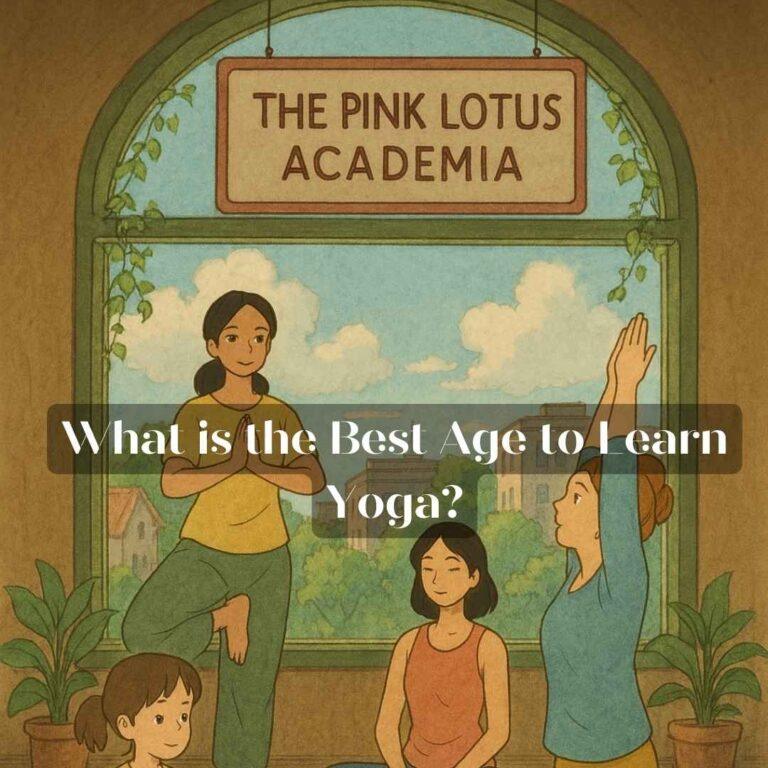
Let’s clear the myth: Yoga is for every age. Whether you’re a 6-year-old learning sun salutations or a 60-year-old focusing on restorative poses, yoga adapts to you. That being said, each life stage offers unique opportunities for yoga to flourish.
Yoga for Children (Ages 5–12)
Children are naturally flexible and curious. Introducing yoga during early childhood helps develop coordination, focus, and emotional regulation. Fun, story-based yoga flows build confidence while instilling mindfulness.
Benefits:
Enhanced concentration and memory
Better posture and motor skills
Early awareness of body and breath
Teenagers and Yoga (Ages 13–19)
Teenage years bring hormonal changes, academic pressure, and identity formation. Yoga offers a healthy outlet to manage stress, develop self-esteem, and improve physical fitness.
Benefits:
Emotional balance
Stress and anxiety management
Healthy self-image development
Yoga in Your 20s – Building the Foundation
Your 20s are ideal for establishing long-term wellness habits. Yoga enhances strength, flexibility, and endurance while cultivating mental clarity—perfect for dealing with early career stress or academic life.
Benefits:
Increased physical stamina
Clarity and focus
Healthier lifestyle foundation
Practicing Yoga in Your 30s – Balance & Strength
This is often a time of career growth, parenting, or both. Yoga in your 30s enhances energy, reduces burnout, and supports core strength and hormonal health.
Benefits:
Energy balance
Stress relief
Strength building
Yoga in Your 40s – Mobility & Mindfulness
In your 40s, the body begins to show signs of aging. Yoga improves joint mobility, muscle tone, and mindfulness—preventing injuries and improving sleep quality.
Benefits:
Joint health
Muscle flexibility
Inner calm
Yoga After 50 – Longevity and Wellness
Yoga in your 50s and beyond emphasizes gentle movement, breathwork, and meditation. It supports heart health, bone density, and a positive outlook on aging.
Benefits:
Improved bone and joint health
Enhanced mental peace
Better mobility and balance
Why It’s Never Too Late to Start Yoga
The myth that you must be young or flexible to do yoga is false. Yoga is inclusive. Even if you start at 60, your body and mind will respond positively. There are styles for every level—from restorative and chair yoga to vinyasa and ashtanga.
Key Benefits of Starting Yoga Early
While it’s never too late, beginning yoga early in life offers unique advantages:
Long-term flexibility and posture maintenance
Stronger mind-body connection
Better emotional intelligence
Lifelong stress-management skills
The Pink Lotus Academia: A Premium Yoga Space for All Ages
Located in Greater Kailash 2, The Pink Lotus Academia is redefining the yoga learning experience for women of all age groups.
Aesthetic, Instagram-Worthy Studio
With soft lighting, pastel tones, and luxurious mats and props, every corner is designed to be calming and visually stunning—perfect for content creation and spiritual immersion.
Located in the Heart of New Delhi
Conveniently nestled in South Delhi, it’s easily accessible and surrounded by greenery and calm—a rare urban sanctuary.
Women-Centric Safe Space for Growth
The Pink Lotus Academia specializes in programs designed by women, for women. Whether you’re a beginner mom or a seasoned wellness enthusiast, their certified instructors curate each session mindfully.
Testimonials from Different Age Groups
“I enrolled my 7-year-old daughter and within weeks, I noticed her confidence and focus improve.” – Meena A.
“As a working woman in my 30s, Pink Lotus gave me the space to reset and reconnect with myself.” – Richa S.
“I started yoga at 55 and feel more energetic now than I did at 40. Their team is just incredible.” – Sunita M.
How to Choose the Right Yoga Program for Your Age
Here’s a simple guide:
| Age Group | Recommended Yoga Style | Key Focus |
|---|---|---|
| 5–12 | Creative Yoga, Hatha | Fun, Focus |
| 13–19 | Vinyasa, Breathwork | Hormonal balance |
| 20–30 | Ashtanga, Vinyasa | Strength, Flexibility |
| 30–40 | Hatha, Power Yoga | Balance, Stress Relief |
| 40–50 | Iyengar, Yin Yoga | Alignment, Mindfulness |
| 50+ | Restorative, Chair Yoga | Longevity, Mobility |
FAQs: Best Age to Learn Yoga
1. Can children practice yoga safely?
Yes! With age-appropriate routines and guidance, yoga is completely safe and beneficial for kids.
2. Is it too late to start yoga in your 50s or 60s?
Absolutely not. Many start yoga later in life and report significant improvements in health and mindset.
3. What yoga style is best for beginners?
Hatha Yoga is great for beginners due to its slow pace and focus on foundational poses.
4. Can yoga help with anxiety in teenagers?
Yes. Breathwork and mindfulness practices are particularly effective in reducing teenage stress and anxiety.
5. How often should you practice yoga?
Even 2–3 sessions a week can bring noticeable benefits, though daily practice deepens the impact.
6. Where can I find the best yoga institute in New Delhi?
The Pink Lotus Academia in Greater Kailash 2 is widely regarded as the best for its premium ambiance and specialized women-centric programs.
Conclusion – Your Age Is Your Advantage in Yoga
The best time to start yoga? Now. Your age isn’t a barrier—it’s a unique entry point into your journey of self-discovery and wellness. Whether you’re a curious child or a wise elder, yoga meets you where you are.
And if you’re in New Delhi, there’s no better place to start than The Pink Lotus Academia—where luxury meets inner peace, and every breath leads you closer to your best self.
For more insight into yoga across all age groups, visit Yoga Journal.
Instagram:@thepinklotusacademia
Facebook: @thepinklotusacademia
Enquire Now: Click Here
Learn more: The Pink Lotus Academia
Youtube: The Pink Lotus Academia
Other Blogs: Click Here
Buy recommended Yoga Apparels: https://amzn.to/4cHOiCB