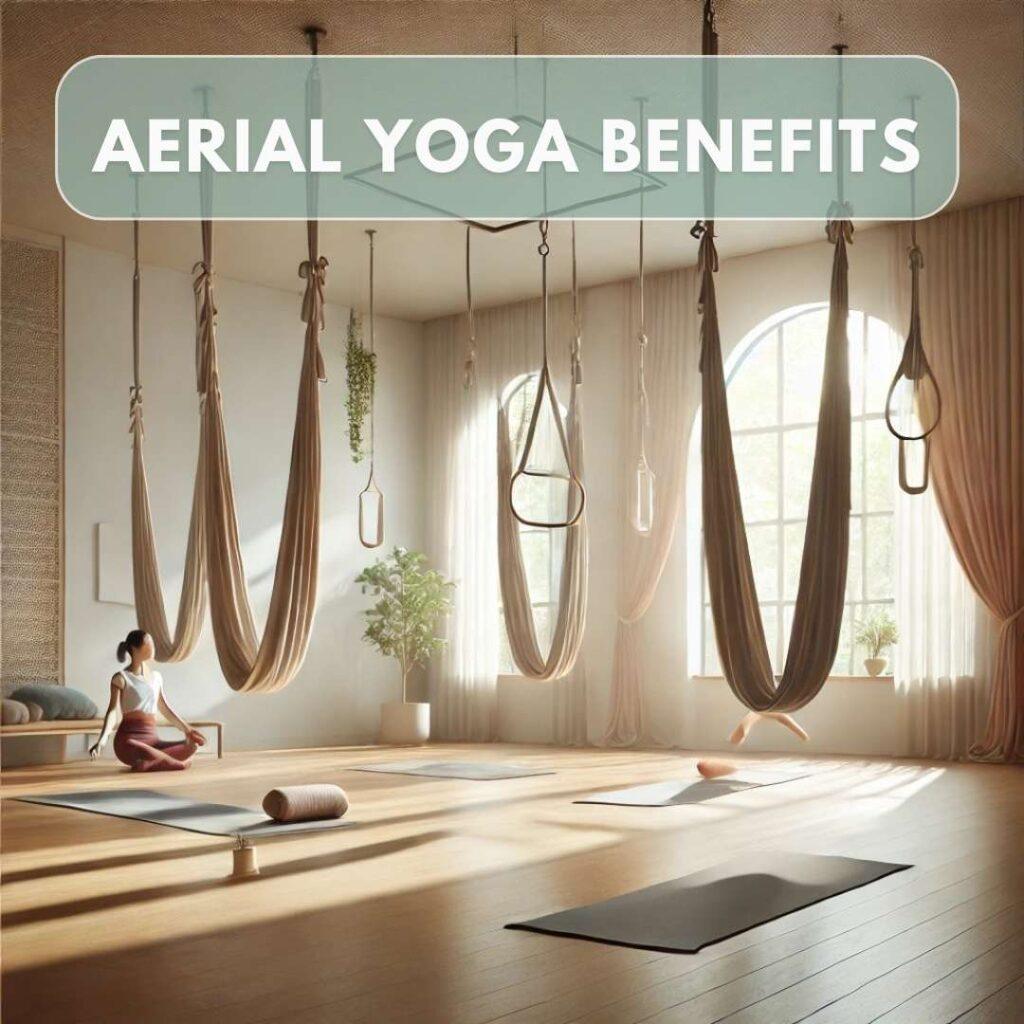
Aerial yoga has been gaining global popularity for its unique blend of traditional yoga with the excitement of aerial arts. Known for its ability to boost physical fitness, enhance flexibility, and provide mental clarity, aerial yoga stands out as an exhilarating practice that combines the benefits of yoga, acrobatics, and Pilates. This article will walk you through everything you need to know about the benefits of aerial yoga and how to embark on your journey with The Pink Lotus Academia, a reputable institute for aerial yoga certification and training.
1. Introduction to Aerial Yoga
What is Aerial Yoga?
Aerial yoga, also known as anti-gravity yoga, is a type of yoga that involves performing poses while hanging in a hammock or silk fabric suspended from the ceiling. This fabric supports your body, allowing you to perform traditional yoga poses with greater ease or add an extra challenge through gravity-defying movements. Aerial yoga appeals to those seeking a dynamic and playful way to practice yoga, offering a mix of strengthening, stretching, and decompressing exercises.
Origins and Evolution of Aerial Yoga
While yoga has ancient roots, aerial yoga is a relatively new practice that emerged in the early 2000s. Inspired by a blend of yoga, acrobatics, and aerial arts, aerial yoga was designed to offer both a physical workout and an opportunity for mindfulness. Since its inception, it has evolved with various styles, from beginner-friendly flows to advanced acrobatic sequences, catering to different skill levels and preferences.
Why Choose Aerial Yoga for Mind and Body Wellness?
Aerial yoga offers a fresh take on fitness and wellness. By taking traditional yoga poses off the ground, practitioners can experience an added sense of freedom and playfulness. This practice is known for enhancing flexibility, strengthening muscles, and relieving tension in the spine. Mentally, aerial yoga promotes relaxation and stress relief, giving practitioners a unique sense of calm and empowerment.
2. Key Benefits of Aerial Yoga
Physical Health Benefits
One of the greatest appeals of aerial yoga is the variety of physical benefits it offers, from enhancing flexibility to strengthening muscles and improving posture.
Improved Flexibility and Strength
The suspended nature of aerial yoga encourages deeper stretches, making it easier to reach and hold positions that may be challenging on the mat. The support of the fabric allows muscles to relax, increasing flexibility over time. Meanwhile, holding poses while suspended requires significant muscle engagement, particularly in the core, shoulders, and legs, promoting muscle toning and strength.
Enhanced Core Stability
Core strength is a fundamental aspect of aerial yoga. Each move involves balancing and stabilizing the body within the hammock, requiring the core muscles to work consistently. This enhances core stability, which improves posture, balance, and overall body alignment.
Mental Health Benefits
Aerial yoga also provides remarkable mental health benefits, helping practitioners achieve a sense of tranquility and focus.
Stress Relief and Relaxation
The anti-gravity aspect of aerial yoga can lead to a sense of weightlessness and release. Many participants find it helps them “let go” of tension and stress as they hang freely, encouraging relaxation. The gentle sway of the hammock, coupled with mindful breathing techniques, has a calming effect on the nervous system.
Boosted Mental Clarity and Focus
Aerial yoga requires concentration and coordination, which fosters mental clarity and a meditative state. This focus can carry over into daily life, improving mental resilience and reducing stress. Many practitioners report a sense of calm and mindfulness after their sessions, similar to the effects of meditation.
Emotional and Social Benefits
Aerial yoga isn’t just about individual growth—it also nurtures a sense of community and encourages emotional well-being.
Increased Self-Esteem and Confidence
As you progress in your aerial yoga journey, mastering new poses and movements can boost your self-esteem and confidence. Achieving poses that may have initially seemed intimidating fosters a sense of accomplishment and empowerment.
Community and Support System
Aerial yoga classes at The Pink Lotus Academia offer a supportive environment where individuals connect with like-minded people. This sense of belonging contributes to a positive emotional experience, as participants support and encourage one another.
3. Getting Started with Aerial Yoga at The Pink Lotus Academia
Overview of The Pink Lotus Academia’s Aerial Yoga Program
The Pink Lotus Academia has established itself as a premier institution for learning aerial yoga, offering a structured approach that meets the needs of beginners, intermediate, and advanced practitioners. Their aerial yoga program is designed to provide a comprehensive understanding of the practice, with courses that include practical training, theoretical knowledge, and instructor certifications.
Course Structure and Levels
Courses are structured to cater to all skill levels, from complete beginners to advanced students. Beginner courses focus on foundational poses and safety, while intermediate and advanced levels introduce more complex movements and sequences. Each level emphasizes proper alignment, strength, and flexibility.
Certifications and Instructor Training
For those interested in teaching aerial yoga, The Pink Lotus Academia offers certification programs. These programs ensure instructors are equipped with the knowledge and skills needed to lead safe and effective classes. Certification is beneficial for anyone looking to turn their passion for aerial yoga into a professional path.
Prerequisites and Basic Requirements for Beginners
While aerial yoga is accessible to many, certain prerequisites are recommended for those starting their journey. Basic physical fitness and an open mind are essential. Participants should consult their doctor if they have any medical conditions or recent injuries that could be affected by aerial exercises.
Essential Equipment for Aerial Yoga Practice
Aerial yoga requires specialized equipment to ensure a safe and effective practice. At The Pink Lotus Academia, all necessary equipment, such as hammocks, is provided. However, if you’re practicing at home or elsewhere, consider investing in high-quality silk hammocks, carabiners, and secure ceiling mounts.
4. How to Prepare for Your First Aerial Yoga Class
Physical Preparations and Pre-Class Stretches
Aerial yoga involves a range of movements, so it’s helpful to warm up with light stretching before class. Focusing on hamstring, shoulder, and back stretches will prepare your body for the unique demands of aerial poses.
Mindset and Mental Preparation
Approach your first class with an open mind. Many new students feel nervous about the equipment or the challenge of being suspended in the air. Trust in your instructor and the process, and remember that the goal is progress, not perfection.
Dress Code and What to Bring to Class
Wear fitted, comfortable clothing that covers the shoulders and back to prevent any discomfort from the hammock. Avoid wearing jewelry, zippers, or anything that could snag on the fabric. Bringing a water bottle and a small towel can also be helpful.
Instagram:@thepinklotusacademia
Facebook: @thepinklotusacademia
Enquire Now: Click Here
Learn more: The Pink Lotus Academia
Youtube: The Pink Lotus Academia
Other Blogs: Click Here
Buy recommended Yoga Apparels: https://amzn.to/4cHOiCB