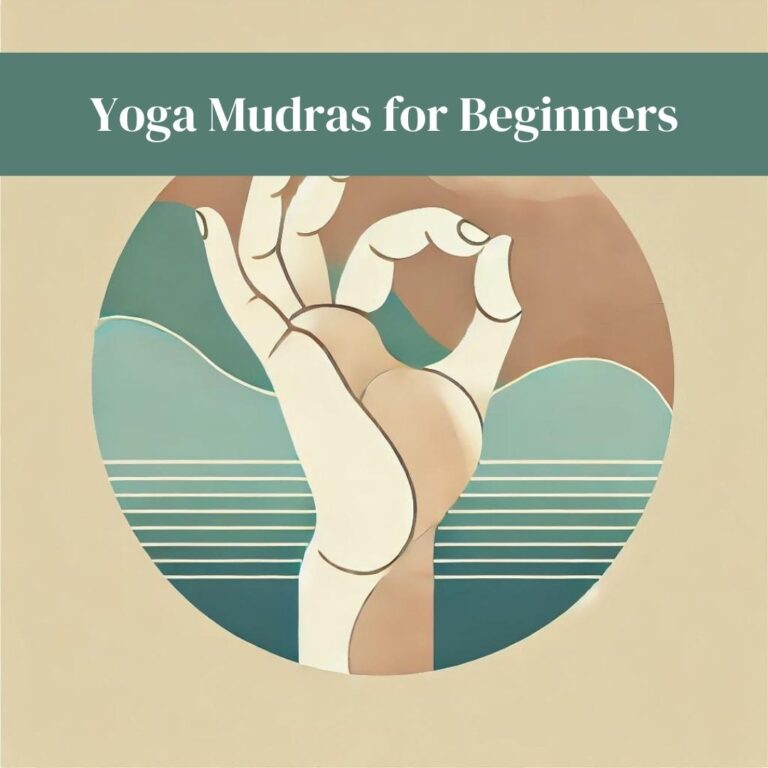
What are Yoga Mudras? A Detailed Explanation in English
| Section Title | Subheadings |
|---|---|
| 1. Introduction | – Definition of Yoga Mudras |
| – Importance of Yoga Mudras in Yoga | |
| – Overview of the Article | |
| 2. History and Origin of Yoga Mudras | – Ancient Roots in Hinduism and Buddhism |
| – Evolution Over Time | |
| – Key Historical Texts | |
| 3. Understanding the Concept of Mudras | – Definition and Etymology |
| – The Five Elements Connection | |
| – How Mudras Work | |
| 4. Types of Yoga Mudras | – Hasta Mudras (Hand Mudras) |
| – Mana Mudras (Head Mudras) | |
| – Kaya Mudras (Postural Mudras) | |
| – Bandha Mudras (Lock Mudras) | |
| – Adhara Mudras (Perineal Mudras) | |
| 5. Benefits of Practicing Yoga Mudras | – Physical Health Benefits |
| – Mental Health Benefits | |
| – Spiritual Benefits | |
| 6. How to Practice Yoga Mudras | – Basic Guidelines |
| – Combining Mudras with Breathing Exercises | |
| – Duration and Frequency | |
| 7. Popular Yoga Mudras and Their Uses | – Gyan Mudra |
| – Chin Mudra | |
| – Prana Mudra | |
| – Anjali Mudra | |
| – Shunya Mudra | |
| 8. Scientific Perspective on Yoga Mudras | – Recent Research Studies |
| – The Science Behind Mudras | |
| 9. Incorporating Mudras into Daily Life | – Simple Mudras for Beginners |
| – Mudras for Stress Relief | |
| – Mudras to Enhance Meditation | |
| 10. Expert Insights and Testimonials | – Insights from Yoga Experts |
| – Testimonials from Practitioners | |
| 11. Common Misconceptions about Mudras | – Debunking Myths |
| – Understanding Limitations | |
| 12. Future Outlook | – Mudras in Modern Yoga Practice |
| – Potential Developments | |
| 13. Conclusion | – Summary of Key Points |
| – Final Thoughts | |
| 14. FAQs | – What are the most effective Mudras? |
| – How long should one practice a Mudra? | |
| – Can Mudras be harmful if practiced incorrectly? |
1. Introduction
Yoga Mudras are symbolic gestures often performed with the hands, but they can also involve the whole body. These gestures are integral to the practice of yoga, aiding in the flow of energy throughout the body and enhancing meditation and spiritual focus. In this article, we’ll explore what Yoga Mudras are, their historical significance, different types, benefits, and how they can be effectively incorporated into daily life.
2. History and Origin of Yoga Mudras
Ancient Roots in Hinduism and Buddhism
The practice of Mudras dates back thousands of years, with roots in Hinduism and Buddhism. These ancient traditions recognized Mudras as powerful tools to connect the practitioner with divine energy and deepen meditation.
Evolution Over Time
Over centuries, the use of Mudras has evolved, adapting to various cultural and spiritual contexts. From religious rituals to modern yoga practices, Mudras have remained an essential element in spiritual and physical well-being.
Key Historical Texts
Ancient scriptures like the Vedas, Upanishads, and Tantras mention Mudras, highlighting their importance in achieving spiritual enlightenment and physical balance.
3. Understanding the Concept of Mudras
Definition and Etymology
The word “Mudra” comes from the Sanskrit root “mud,” meaning “to delight in.” Mudras are seen as tools to generate joy, peace, and a higher state of consciousness.
The Five Elements Connection
In yoga philosophy, Mudras are believed to influence the five elements (earth, water, fire, air, and ether) within the body, bringing them into balance.
How Mudras Work
Mudras work by creating a specific energy circuit within the body. When combined with pranayama (breathing exercises) and meditation, they help channel the body’s energy towards healing and spiritual awakening.
4. Types of Yoga Mudras
Hasta Mudras (Hand Mudras)
Hand Mudras are the most common and involve specific hand positions. They are believed to influence physical, mental, and spiritual well-being.
Mana Mudras (Head Mudras)
Head Mudras involve movements of the eyes, ears, nose, and tongue, affecting mental states and enhancing concentration.
Kaya Mudras (Postural Mudras)
Kaya Mudras involve the whole body and are often practiced in combination with yoga asanas to intensify the effects.
Bandha Mudras (Lock Mudras)
These Mudras involve internal body locks that channel energy into specific areas of the body.
Adhara Mudras (Perineal Mudras)
Adhara Mudras focus on the pelvic area, influencing the root energy of the body and promoting grounding.
5. Benefits of Practicing Yoga Mudras
Physical Health Benefits
Yoga Mudras can improve physical health by balancing the body’s energy flow, supporting the nervous system, and enhancing digestion and circulation.
Mental Health Benefits
Practicing Mudras regularly can reduce stress, anxiety, and depression, while promoting mental clarity and emotional stability.
Spiritual Benefits
Mudras play a crucial role in spiritual practices by helping practitioners connect with higher states of consciousness and deepening their meditation experience.
6. How to Practice Yoga Mudras
Basic Guidelines
To practice Mudras effectively, it’s essential to maintain a calm and relaxed state of mind, focus on the breath, and ensure the body is comfortable.
Combining Mudras with Breathing Exercises
Mudras are most effective when combined with pranayama. Breathing exercises help direct the flow of energy, amplifying the benefits of the Mudras.
Duration and Frequency
The duration and frequency of practicing Mudras depend on individual needs. Beginners can start with 5-10 minutes daily and gradually increase the time as they become more comfortable.
7. Popular Yoga Mudras and Their Uses
Gyan Mudra
One of the most widely recognized Mudras, Gyan Mudra, is associated with wisdom and knowledge. It is commonly used in meditation to enhance focus.
Chin Mudra
Chin Mudra symbolizes unity and consciousness. It is often practiced to calm the mind and balance energy.
Prana Mudra
Prana Mudra activates the life force within, promoting vitality and strength.
Anjali Mudra
Anjali Mudra, also known as the prayer position, is a gesture of respect and gratitude. It is often used at the beginning and end of yoga sessions.
Shunya Mudra
Shunya Mudra helps in relieving ear and throat problems by balancing the ether element in the body.
8. Scientific Perspective on Yoga Mudras
Recent Research Studies
Modern research has started to uncover the scientific basis behind Mudras. Studies suggest that Mudras can influence the brain’s neural activity, helping to reduce stress and improve overall health.
The Science Behind Mudras
Mudras create specific postures that influence the nervous system, promoting relaxation, reducing anxiety, and improving focus. The pressure applied during Mudras stimulates various nerve endings, sending signals to the brain that can enhance well-being.
9. Incorporating Mudras into Daily Life
Simple Mudras for Beginners
Beginners can start with simple Mudras like Gyan Mudra or Anjali Mudra, which are easy to practice and offer immediate benefits.
Mudras for Stress Relief
Mudras like Chin Mudra and Prana Mudra are particularly effective in reducing stress and promoting relaxation.
Mudras to Enhance Meditation
Incorporating Mudras into meditation practices can deepen concentration and lead to a more profound spiritual experience.
10. Expert Insights and Testimonials
Insights from Yoga Experts
Yoga experts emphasize the importance of consistency in practicing Mudras, noting that even a few minutes a day can bring significant benefits.
Testimonials from Practitioners
Practitioners often report a sense of calm, increased focus, and improved overall well-being after incorporating Mudras into their daily routines.
11. Common Misconceptions about Mudras
Debunking Myths
There is a common misconception that Mudras are solely spiritual and have no scientific basis. However, growing evidence suggests that Mudras can have tangible physical and mental health benefits.
Understanding Limitations
While Mudras are beneficial, they should not be seen as a cure-all. It’s essential to practice them as part of a holistic approach to health and well-being.
12. Future Outlook
Mudras in Modern Yoga Practice
Mudras are becoming increasingly popular in modern yoga practices, with more practitioners incorporating them into their routines.
Potential Developments
Future research may further validate the benefits of Mudras, leading to broader acceptance and integration into health and wellness practices worldwide.
13. Conclusion
In conclusion, Yoga Mudras are powerful tools that can enhance physical, mental, and spiritual well-being. By understanding their history, benefits, and proper practice techniques, anyone can incorporate these ancient gestures into their daily lives for a more balanced and harmonious existence.
14. FAQs
What are the most effective Mudras?
The most effective Mudras vary depending on individual needs. However, Gyan Mudra, Chin Mudra, and Prana Mudra are widely regarded as beneficial for most practitioners.
How long should one practice a Mudra?
For beginners, practicing a Mudra for 5-10 minutes daily is recommended. As you become more experienced, you can increase the duration and frequency to suit your needs.
Can Mudras be harmful if practiced incorrectly?
While Mudras are generally safe, it’s essential to practice them with awareness and not force any positions. If discomfort occurs, it’s best to stop and consult a yoga expert.
Faculty: Kaavita Das
Instagram:@thepinklotusacademia
Facebook: @thepinklotusacademia
Enquire Now: Click Here
Learn more: The Pink Lotus Academia
Youtube: The Pink Lotus Academia
Other Blogs: Click Here